November 2015 had warm days and nights

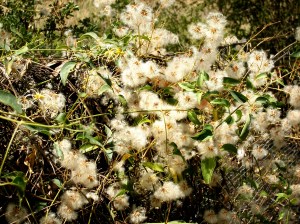
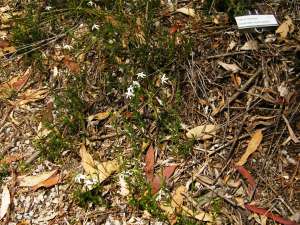
Photo of seeding clematis

“Old Man’s Beard”

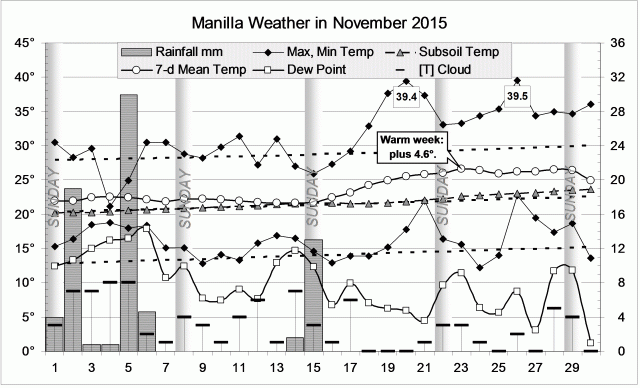
By the last week of October, the weather had cooled down to normal. In November, this continued until the 15th, with rain falling on eight of the days. The highest rainfall reading was 30.0 mm on the 5th.
After that, the weather was fine. Both days and nights were warm, but no day got to 40°. The weekly average temperature reached about four degrees above normal, as it had done early in October.
Weather log November 2015

 Comparing November months

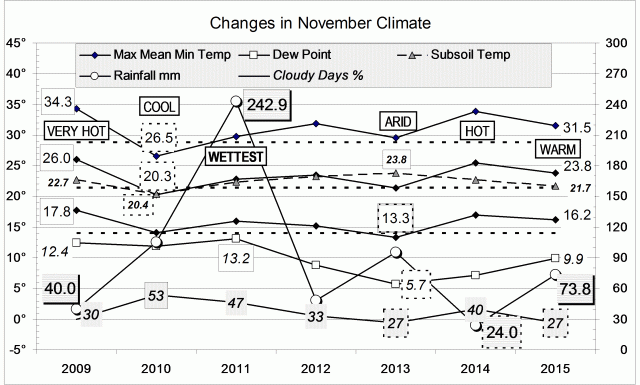
This was a warm November, by day and by night. However, November 2014 had been hotter, and November 2009 very much hotter. The average daily maximum temperature in November 2009 (34.3°) was nearly 3° higher than in this month (31.5°).
Moisture indicators for this month were close to normal, although there was not much cloud. The dew point is no longer very low, as in the last three Novembers.
The rainfall of 73.8 mm was above average, in the 63rd percentile. The climate graph still includes the phenomenally high rainfall of November 2011: 242.9 mm, the highest November rainfall since the record began in 1883. (The next highest was 226 mm in November 1961.)
There are now no serious shortages in rainfall totals for ANY number of months. For the last 30 years, Manilla has enjoyed rainfalls close to normal. The 30-year total of 19,449 mm to this date is within 100 mm from the median 30-year total of 19,360 mm. In all that time, the most extreme major rainfall events were the 2002 winter-spring drought, and the 2011-2012 summer deluge.
Climate for November 2015


Data. All data, including subsoil at 750 mm, are from 3 Monash Street, Manilla. Rainfall data up to 26/3/15 is from Manilla Post Office, Station 055031.
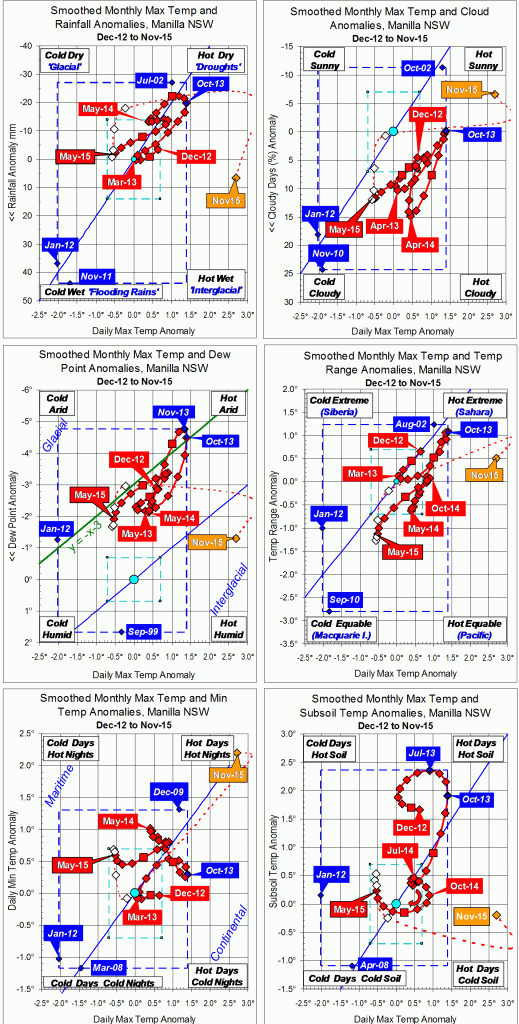
3-year trends to November 2015

Parametric plots of smoothed climate variables at Manilla
“November 2015: warm days and nights”

Trends to November 2015

November raw anomaly data (orange)

While November daily maximum anomalies were not as warm as in October, daily minimum anomalies were warmer (on the lower left graph). Apart from these, nearly all other climatic anomalies for November were near normal.

 Fully smoothed data (red)

The latest fully smoothed data (May 2015) completes the autumn months (MAM) of 2015. In that season, no variables were changing much. Daily maximum temperature, daily minimum temperature, subsoil temperature, and monthly rainfall were all near normal. Skies were rather cloudy, daily temperature range rather narrow and dew point (as is now usual) rather low. It seemed certain that the winter season would see a trend reversal: minimum values in the anomalies of daily maximum temperature and daily temperature range, and maximum values in the anomalies of daily minimum temperature, subsoil temperature, monthly rainfall, cloudiness, and dew point.

The three-year pattern

In these three years, a repeating annual cycle is best seen in the centre-right graph, which relates daily temperature range to daily maximum temperature. In May of each year the climate was relatively cool and equable (or maritime), while in October of each year it was relatively warm and extreme (or continental).


Note:

Fully smoothed data – Gaussian smoothing with half-width 6 months – are plotted in red, partly smoothed data uncoloured, and raw data for the last data point in orange. January data points are marked by squares.
Blue diamonds and the dashed blue rectangle show the extreme values in the fully smoothed data record since September 1999.

Normal values are based on averages for the decade from March 1999.* They appear on these graphs as a turquoise (turquoise) circle at the origin (0,0). A range of anomalies called “normal” is shown by a dashed rectangle in aqua (aqua). For values in degrees, the assigned normal range is +/-0.7°; for cloudiness, +/-7%; for monthly rainfall, +/-14 mm.

 * Normal values for rainfall are based on averages for the 125 years beginning 1883.

October 2015 very warm

Photo of native jasmine

Sweetest Jasmine

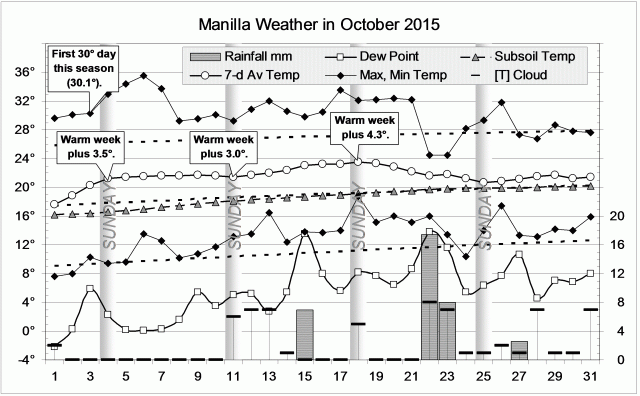
The first 30-degree day of the season came on the 3rd. That was ten days late, but the first 35-degree day followed soon after, on the 6th. Most days and nights were warm through the month, and the weekly mean temperature was three or four degrees above normal until the last week.
Ten sunny days were followed by days with much more cloud, and four rain days (usually seven). On the 22nd and 23rd, I recorded 17.4 and 8.0 mm.

Weather log for October

 Comparing October months

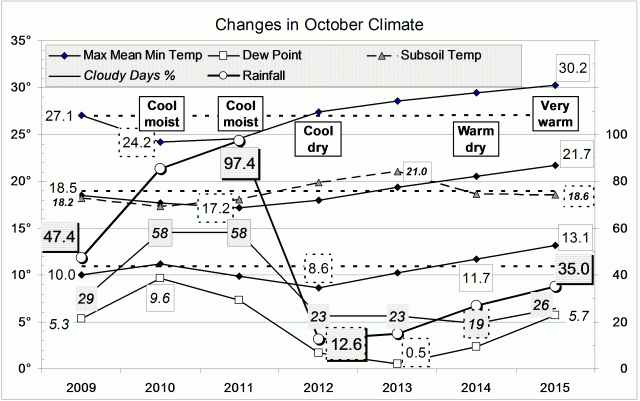
This was the warmest October of the new century for all daily temperatures: maximum, mean and minimum. The mean temperature of 21.7° was 3° above average, and much higher than in the other warm Octobers of 2014 (20.6°) and 2007 (20.4°).
The graph shows the curious fact that October months have warmed steadily since 2011. Since 2012, Octobers have not become drier: rainfall, cloudiness and humidity have increased rather than decreased.
The rainfall of 35.0 mm was below average, in the 29th percentile. As in last month’s report, there are no serious shortages in rainfall totals for small numbers of months. The only serious shortages are in the 30 month total (6th percentile) and in the 42 month total (7th percentile). There are still deep ponds in Greenhatch Creek.

Climate for October 2015


Data. All data, including subsoil at 750 mm, are from 3 Monash Street, Manilla. Rainfall data up to 26/3/15 is from Manilla Post Office, Station 055031.
3-year trends to October 2015

Parametric plots of smoothed climate variables at Manilla
“October 2015: very warm”

Trends to October 2015

October raw anomaly data (orange)

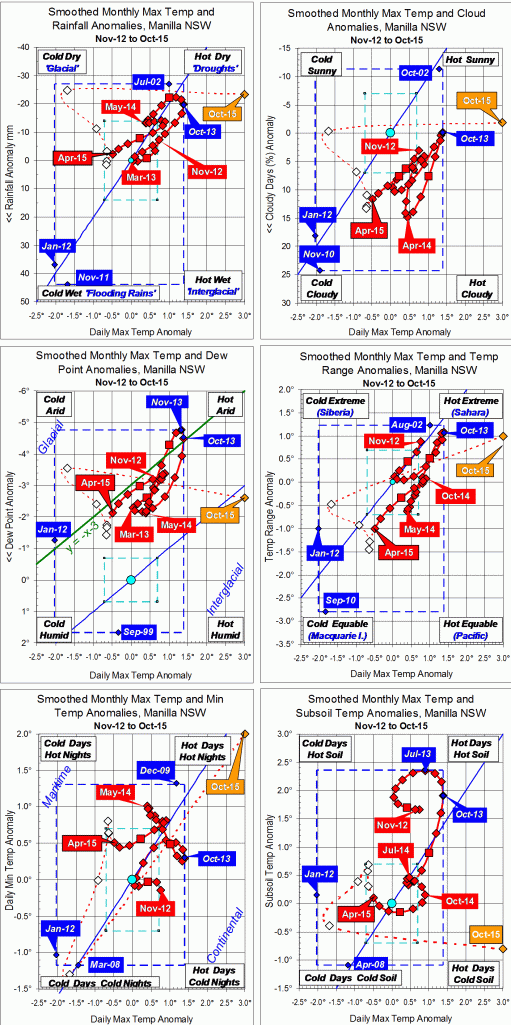
After a cool September, October was very warm: the warmest of the new century in both daily maximum and daily minimum. The daily temperature range was also high, but the soil temperature was not. Rainfall remained rather low, while cloudiness and dew point were near normal.
[The recorded anomaly values for daily maximum and for daily minimum were +3.2° and +2.2° respectively. For convenience, I have plotted them 0.2° lower.]

 Fully smoothed data (red)

In the latest fully smoothed data (April 2015) all trends on the first four graphs continued to move steadily away from drought. The daily minimum temperature anomaly began to rise, and subsoil temperature rose faster.


Note:

Fully smoothed data – Gaussian smoothing with half-width 6 months – are plotted in red, partly smoothed data uncoloured, and raw data for the last data point in orange. January data points are marked by squares.
Blue diamonds and the dashed blue rectangle show the extreme values in the fully smoothed data record since September 1999.

Normal values are based on averages for the decade from March 1999.* They appear on these graphs as a turquoise (turquoise) circle at the origin (0,0). A range of anomalies called “normal” is shown by a dashed rectangle in aqua (aqua). For values in degrees, the assigned normal range is +/-0.7°; for cloudiness, +/-7%; for monthly rainfall, +/-14 mm.

 * Normal values for rainfall are based on averages for the 125 years beginning 1883.

September 2015 cold and dry

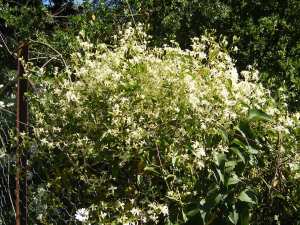
Photo of native clematis

Native clematis

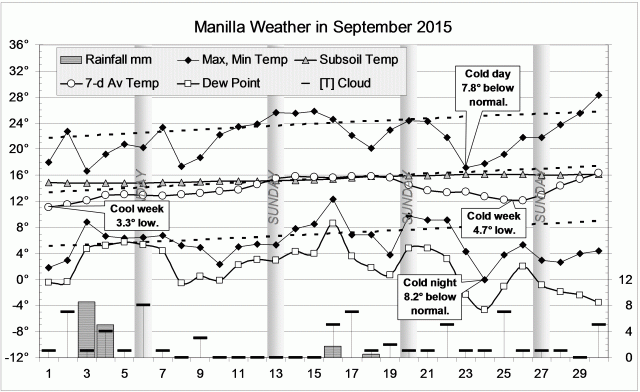
Few days or nights in September were warmer than normal. The 23rd was a very cold day (17.1°) and the 24th had a very cold morning (-0.1°). The weekly temperature was near normal in the third week, but it had been cool in the first. It was cold (4.7 below normal) in the fourth week, and was rising through normal at the month’s end.
As is usual in September, most days were fine, and they were much warmer than the nights. The afternoon humidity was low (24%), but not nearly as low as in 2013 (15%).
Rain fell on only four days, with the highest reading 8.6 mm on the 4th.

Weather log for September 2015

 Comparing September months

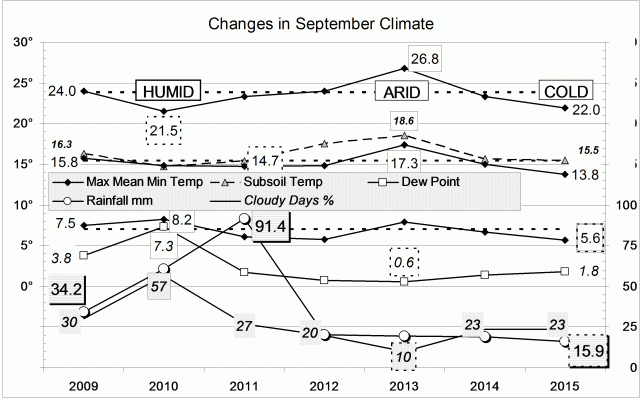
In a dramatic change from August, both days and nights were very cold, as they were in September 2004.
The aridity was not quite as bad as in 2013, when the dew point was lower and there was less cloud.
Such cold, dry conditions are not those of an El Niño event (hot and dry) or of a La Niña event (cold and wet). If more extreme, they would be those of a glacial period.
The rainfall of 15.9 mm was well below average, in the 22nd percentile. There are still no serious shortages in rainfall totals for small numbers of months. A severe shortage (4th percentile) has appeared in the 30 month total (1186 mm). There are still deep ponds in Greenhatch Creek.

Climate for September 2015


Data. All data, including subsoil at 750 mm, are from 3 Monash Street, Manilla. Rainfall data up to 26/3/15 is from Manilla Post Office, Station 055031.