June 2018 in drought

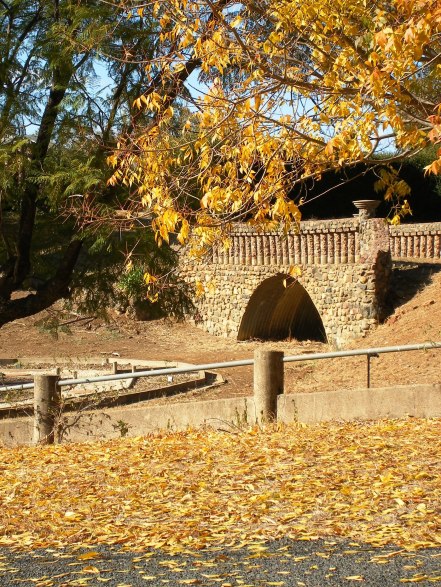
An ornamental stone bridge

Grantham’s Stone Bridge

As in the month before, temperatures remained near normal. The second week was warm. There were 13 frosts: the usual number. The early morning dew point on the 25th was a new low record for June.
There were only two rain days. The wetter registered 4.4 mm (estimated) on the 28th.
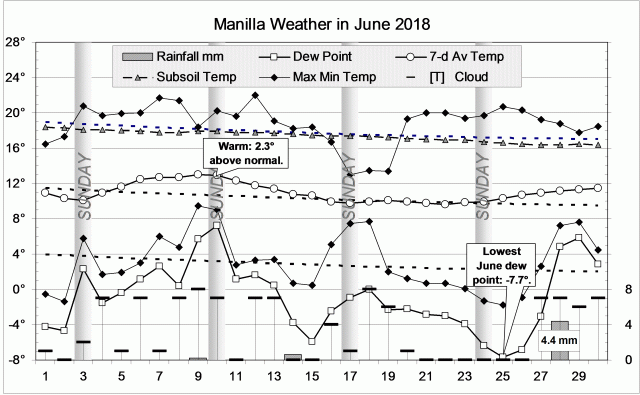
Weather log June 2018

Comparing June months

In recent June months, the mean temperature has hardly changed from 11°. However, moisture has varied a lot. June 2013 was very cloudy, and June 2016 very rainy. This month was very dry, not only with little rain, but also with the lowest June early morning dew point (-0.9°). Warm days (18.8°) and cool nights (3.1°) made for a wide daily temperature range (15.7°).

The rainfall total of 5.2 mm was at the 9th percentile. This very low value has carried rainfall totals for two months, three months, and four months down to become extreme shortages. Such shortages have not been seen here since 2002.
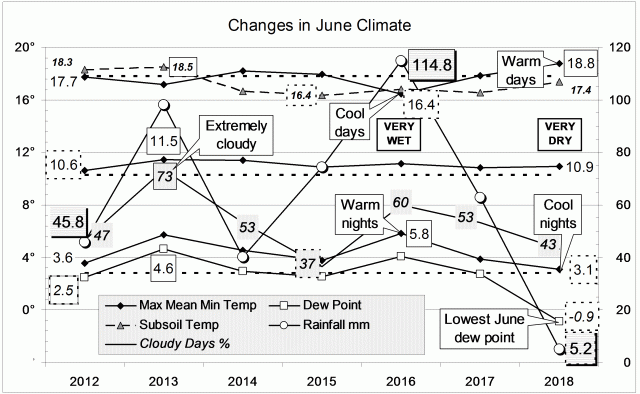
Climate in June months

Developing Drought

The rainfall shortages that have now become extreme are covered in other posts, such as “Rainfall Shortages up to June 2018”.


Data. A Bureau of Meteorology automatic rain gauge operates in the museum yard. From 17 March 2017, 9 am daily readings are published as Manilla Museum, Station 55312.  These reports use that rainfall data when it is available.  The gauge, which had last reported on 24 September 2017, came on line again on the 16th of March. During the month of June three daily readings were blank, including that on the wettest day. I have substituted my own gauge readings for those days.

All other data, including subsoil at 750 mm, are from 3 Monash Street, Manilla.
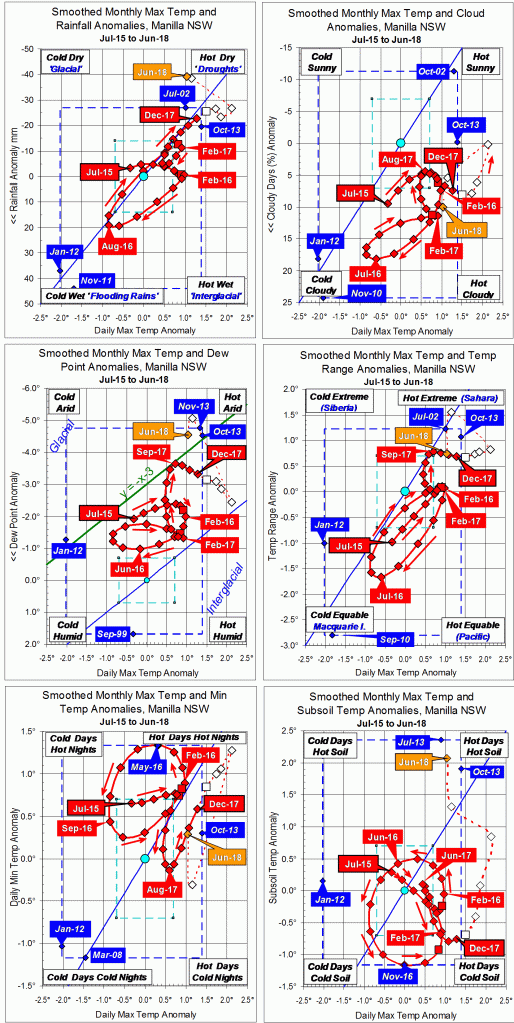
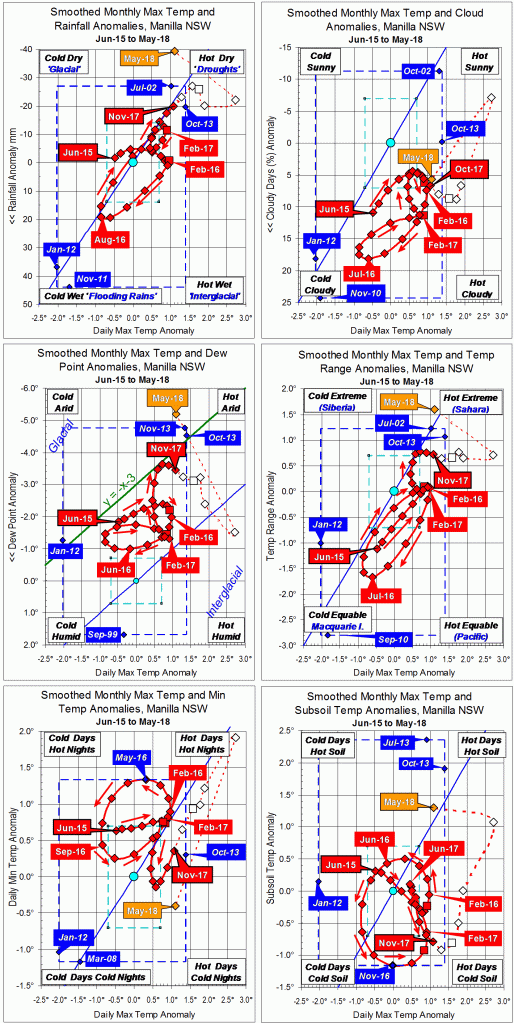
3-year trends to June 2018

Now in drought

Three year trends to June 2018

June raw anomaly data (orange)

The raw rainfall anomaly for June 2018 was very low (high on the graph), as was that of the month before. This placed June in drought, although the other moisture indicators were nearer to normal. Daily maximum and minimum temperatures were also not far above normal, but subsoil temperature was very high.

 Fully smoothed data (red)

The last fully-smoothed data is for December 2017. All variables, except subsoil temperature, continued trends set in the spring.

Daily maximum temperature anomaly approached a record high value.
Rainfall anomaly approached a record low value.
Cloudiness was static near its normal maximum.
Dew point anomaly was low but slowly rising.
Daily temperature range anomaly was high but slowly falling.
Daily minimum temperature anomaly was high and rising.
Subsoil temperature anomaly, which had been falling, began to rise.


Note:

Fully smoothed data – Gaussian smoothing with half-width 6 months – are plotted in red, partly smoothed data uncoloured, and raw data for the last data point in orange. January data points are marked by squares.
Blue diamonds and the dashed blue rectangle show the extreme values in the fully smoothed data record since September 1999.

Normal values are based on averages for the decade from March 1999.* They appear on these graphs as a turquoise (turquoise) circle at the origin (0,0). A range of anomalies called “normal” is shown by a dashed rectangle in aqua (aqua). For values in degrees, the assigned normal range is +/-0.7°; for cloudiness, +/-7%; for monthly rainfall, +/-14 mm.

 * Normal values for rainfall are based on averages for the 125 years beginning 1883.

Autumn 2018 dry and very warm

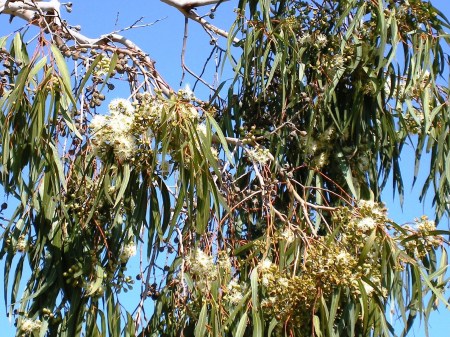
Gum nuts and blossoms

Gumnut and Gum-Blossum

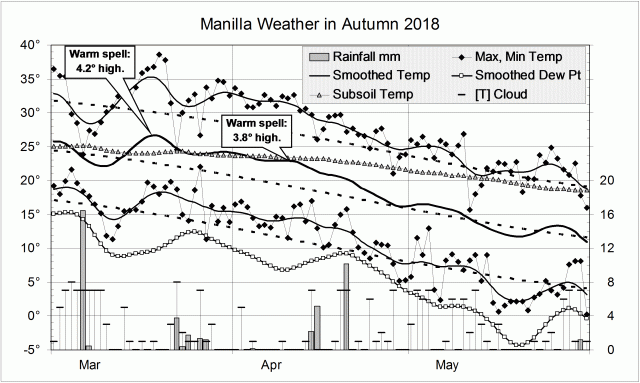
The air became four degrees warmer than normal by day and by night in mid-March and continued warm until late in April. As normal temperatures returned the climate became dry, with no rain for thirty-nine days.

Graphical weather log for autumn 2018

Both autumn 2016 and autumn 2018 had record high average temperatures. This season had the highest mean daily maximum (27.7°), but 2016 had the highest mean daily minimum (12.1°). In the combined average, 2016, with 19.9°, was warmer than 2018, with 19.7°.

All four indicators of moisture (rainfall, dew point, cloud, and daily temperature range) agree in showing this autumn to be drier than last autumn, and even than the three autumns before that.
The total rainfall of 45 mm was the 12th driest on record, but it was not the driest in the 21st century. Similarly dry autumns occurred in 2002 (60 mm), 2005 (35 mm), 2006 (53 mm), and 2008 (37 mm). That is about twice as many as history would suggest.

Climate for autumn 2018


Data. A Bureau of Meteorology automatic rain gauge operates in the museum yard. From 17 March 2017, 9 am daily readings are published as Manilla Museum, Station 55312.  These reports use that rainfall data when it is available. During this autumn season 30 daily readings were missed, and I replaced them with my own readings.

All other data, including subsoil at 750 mm, are from 3 Monash Street, Manilla.
May 2018 third driest

Sunset clouds

the heavens’ embroidered cloths

Temperatures did not stray far from normal. The first (black) frost that I observed was on the 15th, near the normal date for it (13th May). That began a week of sunny skies and very dry air.
There was only one rain day. An early morning shower gave a reading of 1.2 mm on the 30th.

May 2018 weather log

Comparing May months

The May months in 2018, 2017, and 2016, as well as in 2014, were all warm. The average temperature was more than half a degree above the normal value of 13.3°. While May 2017 was warm, wet, and humid, May 2018 was warm, dry, and arid. The air was exceptionally dry, with the mean early morning dew point (0.0°) the lowest for May, and the relative humidity at that time 68% instead of the usual 80% to 90%.
The rainfall total of 1.2 mm was third driest for May, equal with May 2002, but not as dry as May 2006 ( 0.2 mm). Only May 1927 was drier, with zero. May rainfall values have been low in the 21st century, with an average of 23 mm, compared to the long-term average of 41 mm.

Climate in May months

Rainfall Shortages

Last month, April 2018, had only two rainfall shortages classed as “serious” (below the 10th percentile): those for durations of five years and six years. Since then, more shortages have appeared. Those five-year and six-year shortages remain, but there are now serious shortages for durations of five months and twelve months, and severe shortages (below the 5th percentile) for one month, two months and three months. The current three-month total (45 mm) is at the 4th percentile.


Data. A Bureau of Meteorology automatic rain gauge operates in the museum yard. From 17 March 2017, 9 am daily readings are published as Manilla Museum, Station 55312.  These reports use that rainfall data when it is available.  The gauge, which had last reported on 24 September 2017, came on line again on the 16th of March. However, during the month of May eleven daily readings were blank. I have substituted my own gauge readings, which were all zero.

All data, including subsoil at 750 mm, are from 3 Monash Street, Manilla.
3-year trends to May 2018

Warm and Very Dry

3-year trends to May 2018

May raw anomaly data (orange)

The raw maximum temperature anomaly for May 2018 was rather high, as was that of the subsoil. The anomaly of daily minimum temperature was low. Very low moisture was shown by the rainfall, daily temperature range, and dew point anomalies, but cloudiness was normal.

 Fully smoothed data (red)

Fully-smoothed data are now available for the spring months (SON) of 2017. In that season, all three temperatures were within their normal range. Both air temperatures were rising, but subsoil temperature was falling.
Rainfall was moving up the graph to less than normal (i.e. arid). The other three moisture measures were moving down their graphs towards humidity: cloudiness more than normal (i.e. humid), dew point still less than normal (i.e. arid), and daily temperature range still wider than normal (i.e. arid).


Note:

Fully smoothed data – Gaussian smoothing with half-width 6 months – are plotted in red, partly smoothed data uncoloured, and raw data for the last data point in orange. January data points are marked by squares.
Blue diamonds and the dashed blue rectangle show the extreme values in the fully smoothed data record since September 1999.

Normal values are based on averages for the decade from March 1999.* They appear on these graphs as a turquoise (turquoise) circle at the origin (0,0). A range of anomalies called “normal” is shown by a dashed rectangle in aqua (aqua). For values in degrees, the assigned normal range is +/-0.7°; for cloudiness, +/-7%; for monthly rainfall, +/-14 mm.

 * Normal values for rainfall are based on averages for the 125 years beginning 1883.