Wet cloudy October 2011 began cold

The daily weather logWeather log October 2011.

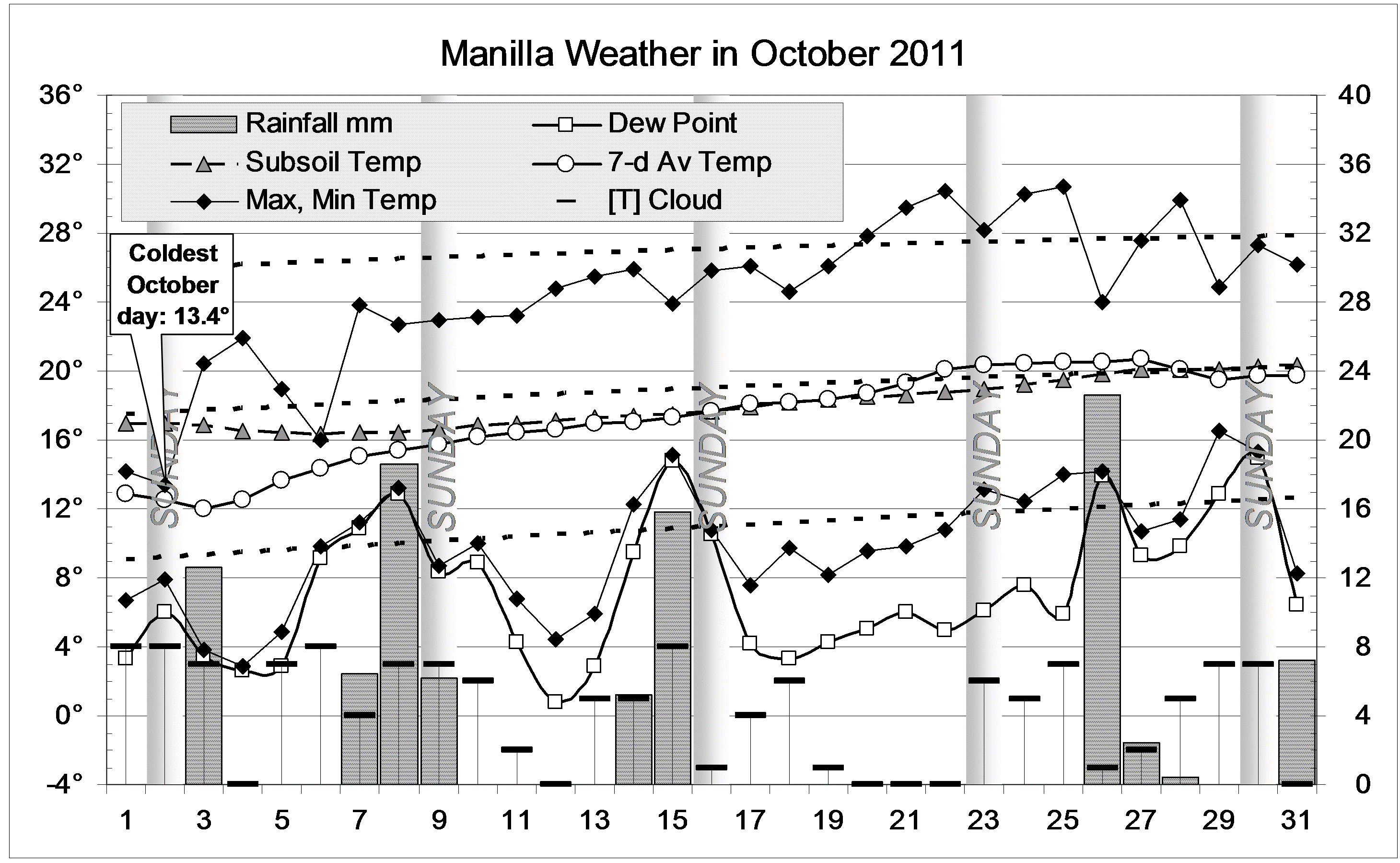
October began very cold throughout NSW, southern Queensland and central Australia. At Manilla the maximum on Sunday the 2nd was only 13.4°: 12.6° below normal, and the coldest October day in 13 years. During the month, the air slowly warmed up to normal. The subsoil was also very cold in the second week, but only slightly cool later.
Rain fell every few days except for the week beginning on Sunday the 16th. Most rain came as showers or storms. The highest reading was 22.6 mm on the 26th. In 10 rain days (3 more than usual) the total was 97.4 mm.

 Comparing October monthsClimate October 2011.
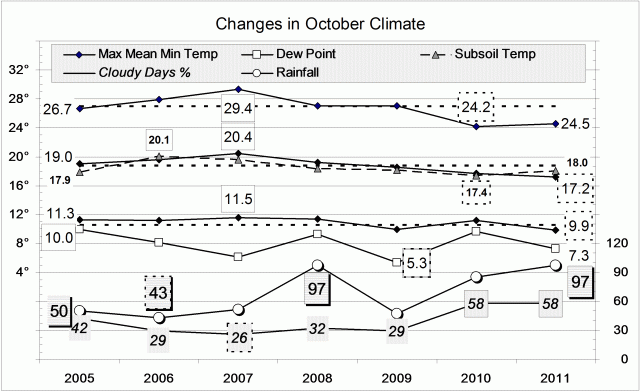
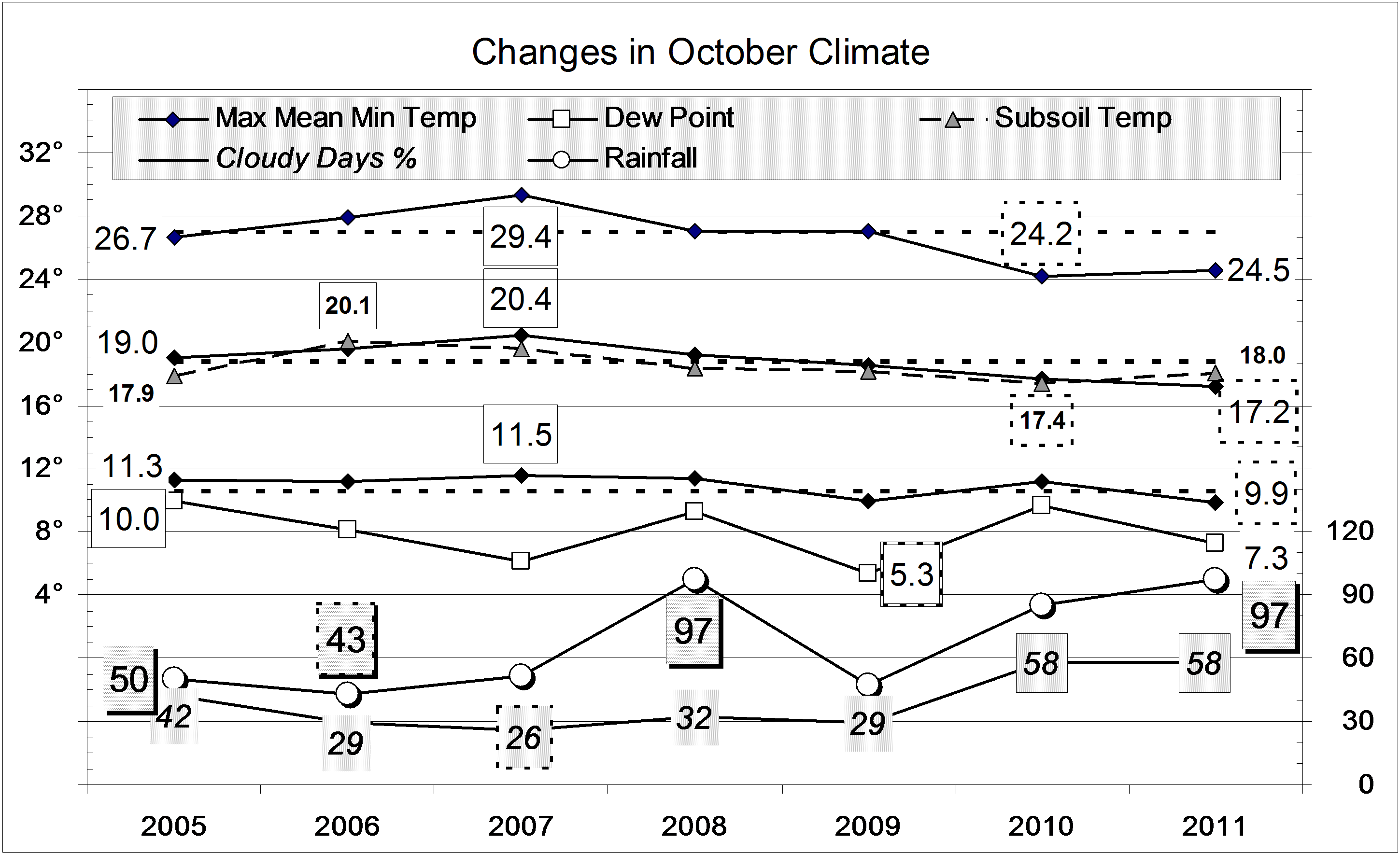
Mean temperature readings and the Dew Point were well below normal. The average October temperature has fallen steadily since October 2007.  While that month was rather dry and sunny, October 2002 was much drier (15 mm rain) and sunnier (only 6% cloudy days).
Fifty-eight percent cloudy mornings is a record high value for October, equal with last year, and more than twice normal.
The rainfall of 97.4 mm is very high, in the 84th percentile for October (Average: 58.1 mm.). Most rainfall totals for groups of months are now high. Among groups of 108 months or less, the driest is the 30-month total which is not very dry: in the 37th percentile. In that 30 months there was 1516 mm of rain, just 100 mm below normal.


Data. Rainfall data is from Manilla Post Office, courtesy of Phil Pinch. Temperatures, including subsoil at 750 mm, and other data are from 3 Monash Street, Manilla.
 

Autumn 2011 Normal but Cloudy


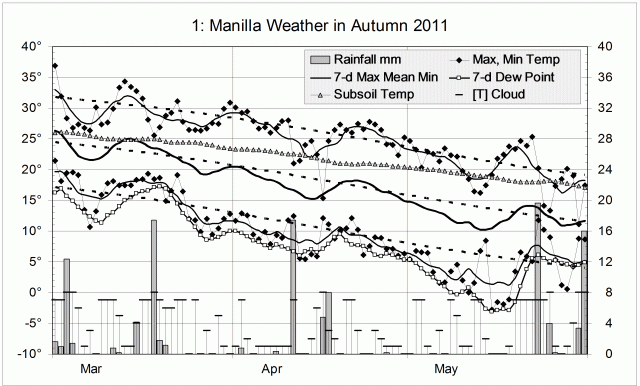
Weather log autumn 2011Normal autumn weather was broken by an almost rainless period from mid-April to late May. Temperatures fell very low, particularly at night. The minimum of minus 2.8 degrees on 15/5/11 was a record for autumn. The coldest nights were exceptionally dry: 17/5/11 had the lowest Dew Point in thirteen years, -9.3°. Even during the extreme drought of July 2002, with four Dew Point readings below -6°, the air did not get nearly so dry.
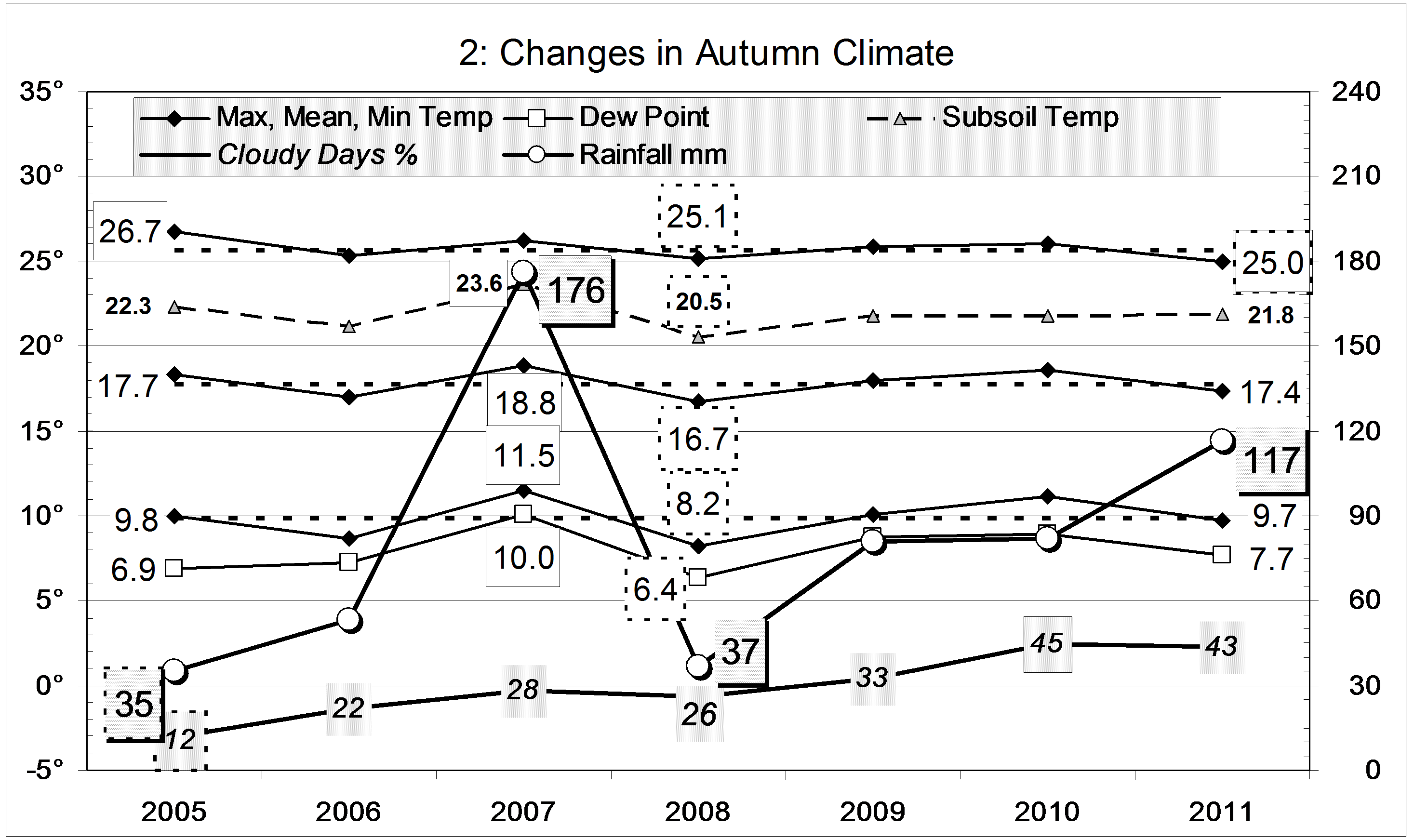
On the average (as shown below) temperatures and the Dew Point were near normal, except that days were rather cool, as in autumn 2008. On average, that autumn, however, was much drier, with cold nights. Autumn 2007 had been very warm and wet.
This time, the percentage of mornings with more than 4/8 cloud was 43%. That almost matches last autumn’s 45% and is far above those of autumns in the previous decade, which averaged just 25%.
Rain fell on 21 days, an unusually large number. The total rainfall of 116.8 mm is on the 52nd percentile for autumn. It is 16 mm below the autumn average (133 mm).Climate autumn 2011

Data. Rainfall data is from Manilla Post Office, courtesy of Phil Pinch. Temperatures, including subsoil at 750 mm, and other data are from 3 Monash Street, Manilla.

May 2011 cloudy, rainy, but not humid

The daily weather logWeather log May 2011.

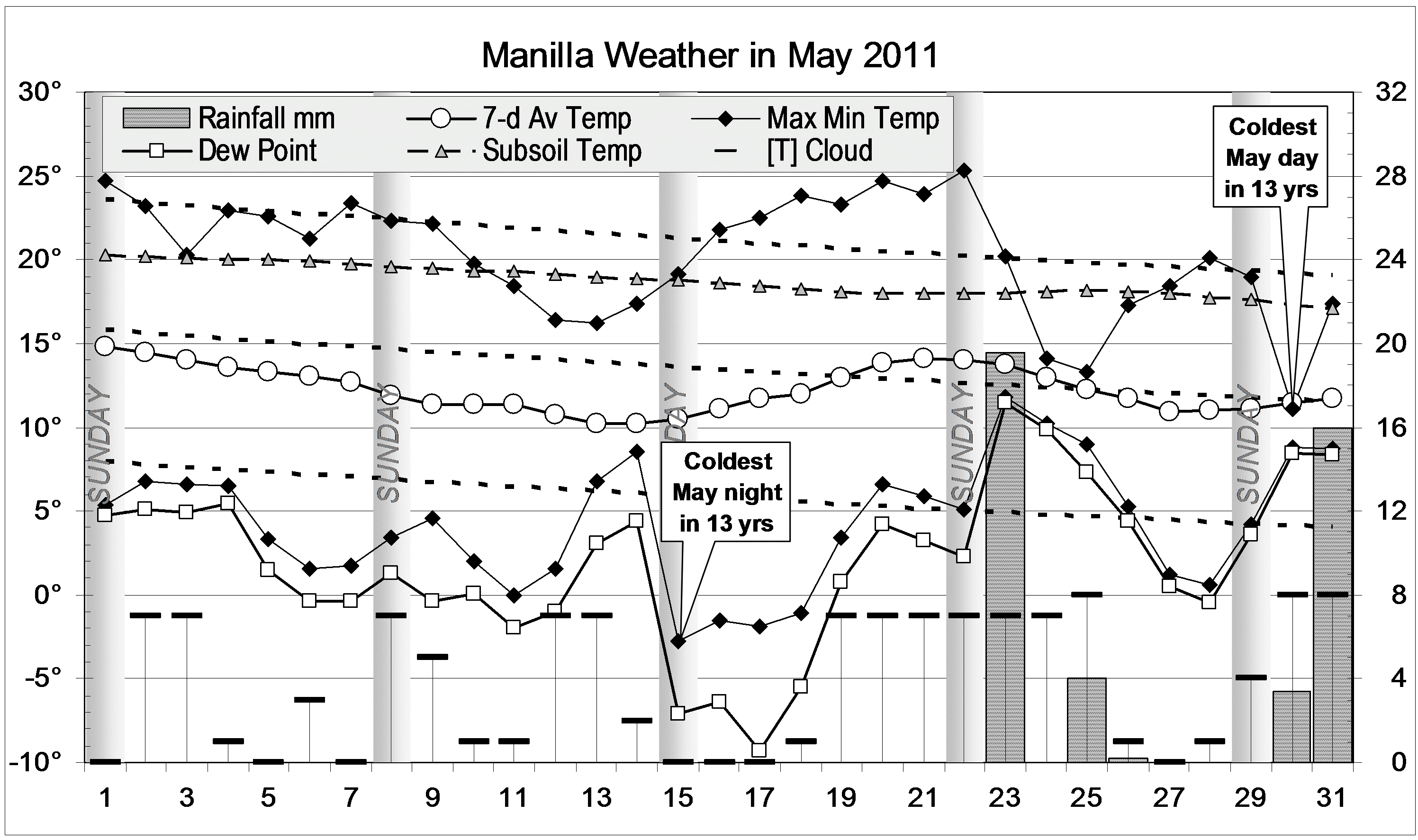
May had five rain days (usually only three) but they came very late. The highest rainfall reading, 19.6 mm on the 23rd, ended a 35-day dry spell. Before the rain, the air had become extremely dry. The morning Dew Point on the 17th was -9.3° and the daily minimum temperature on the 15th -2.8°: both were 13-year record low values for May. The daily temperature range reached 24.9° on the 18th.
With the rain came cloudy, cold days. The 30th, with a maximum of only 11.1°, was the coldest May day in this record. It was nearly two degrees below the previous coldest: 12.9° on 29/5/00.

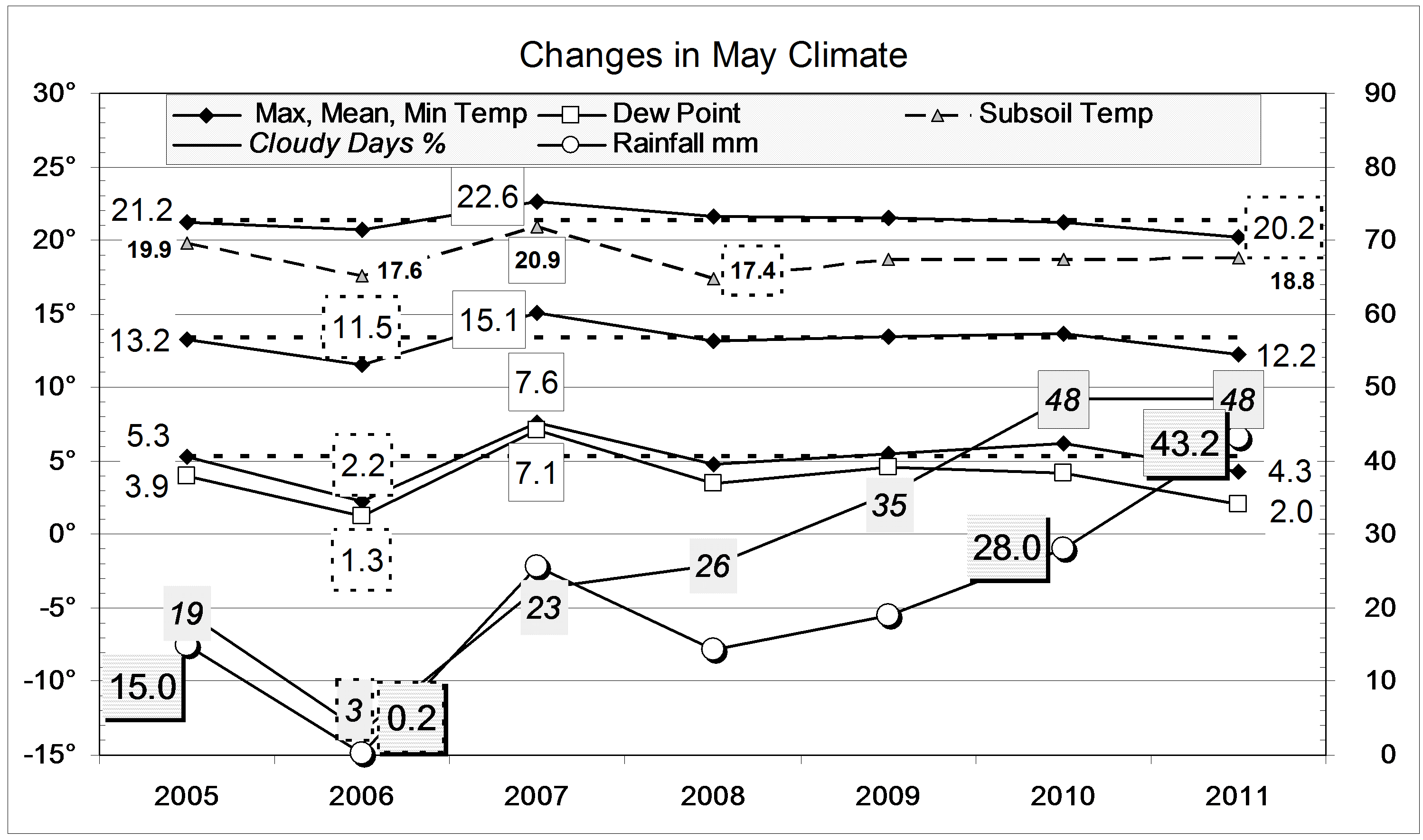
 Comparing May monthsClimate May 2011.

Mean temperatures were a little below average. There were 11 frosts, compared with the usual six.
After sunny April, May was back to the extreme cloudiness of the last three years. The air was not humid at all, however. The mean Dew Point was only slightly higher than in the droughty May of 2006.
The rainfall of 43.2 mm is on the 64th percentile for May, and just above the long-term May average (39.3 mm). May rainfalls have been low (or very low) for a number of years: this was the wettest May since 1998 (74 mm). Rainfall totals for groups of months (up to 360 months) continue to be near normal.


Data. Rainfall data is from Manilla Post Office, courtesy of Phil Pinch. Temperatures, including subsoil at 750 mm, and other data are from 3 Monash Street, Manilla.


March 2011 still cloudy

The daily weather logWeather log March 2011.

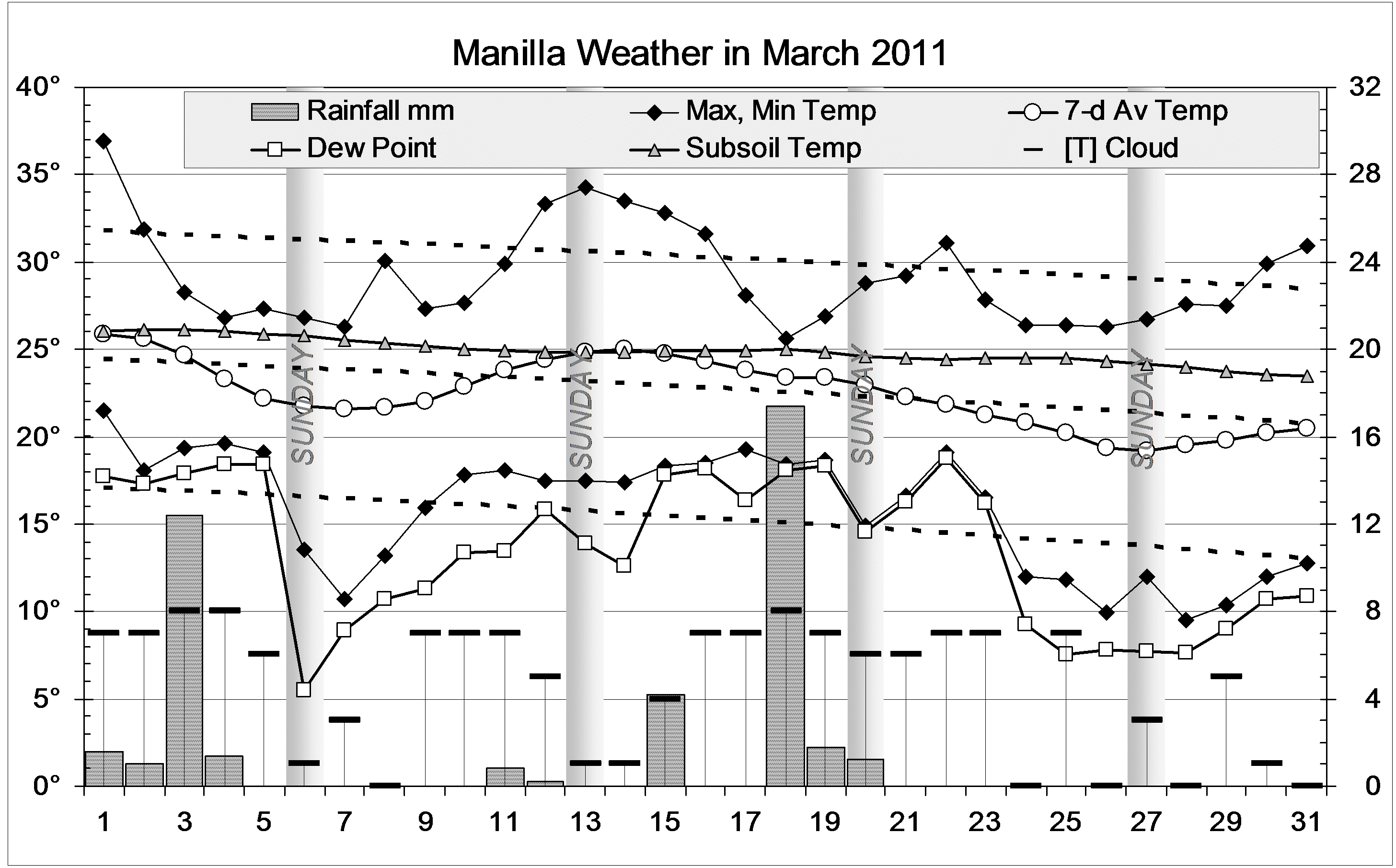
There were two warm spells and two cool spells in March, with no extreme temperatures.
Many mornings were very cloudy: fourteen had 7/8 or 8/8 cloud. In twelve years only six months have had so many. (Last December had sixteen.)
The highest rainfall reading was 17.4 mm on the 18th. In ten rain-days (twice the usual number) the total was 42.0 mm. No rain fell after the 20th.

 Comparing March monthsClimate March 2011.

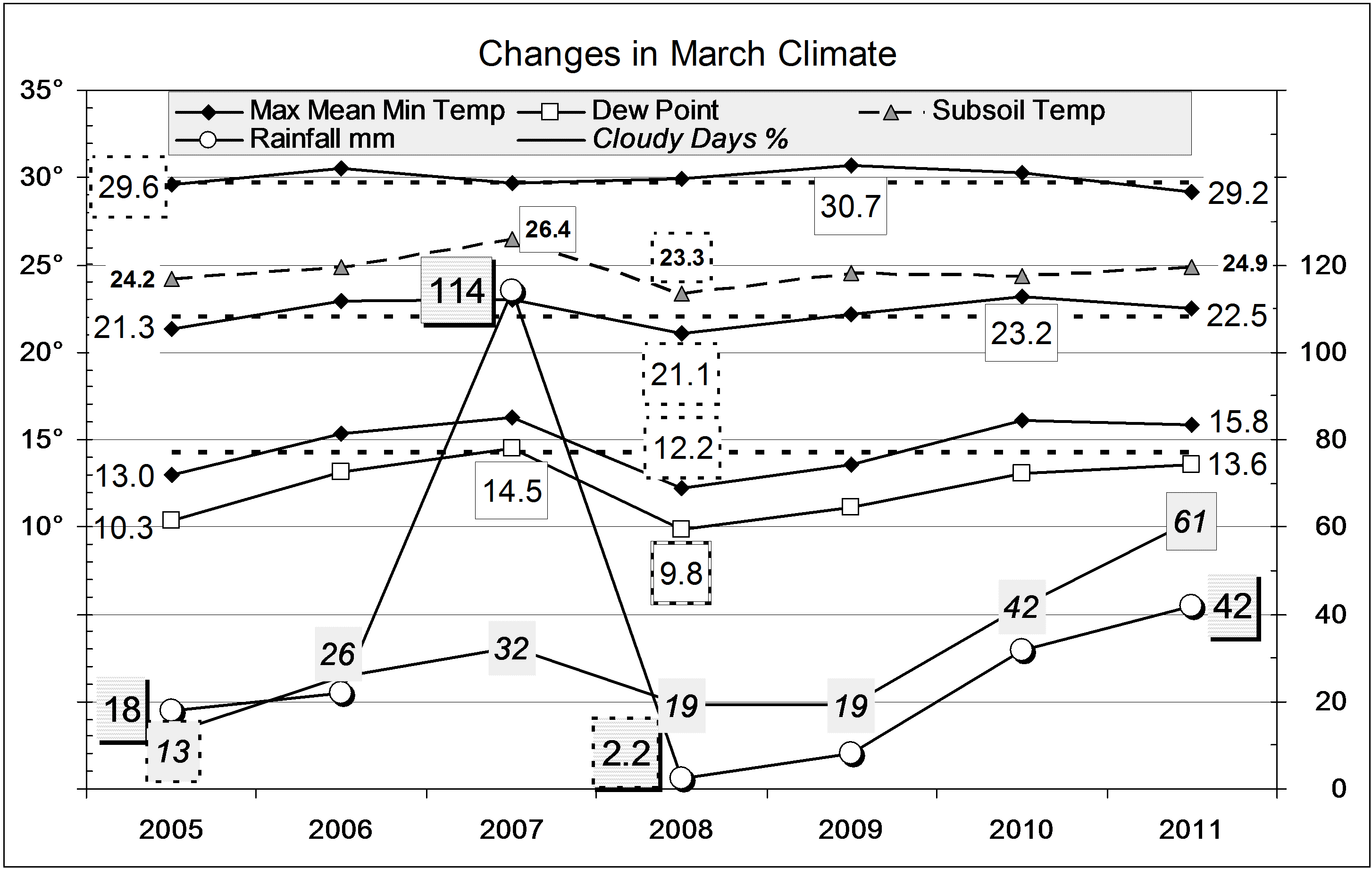
The mean maximum temperature was a little low and the mean minimum temperature high, making the daily temperature range nearly two degrees narrower than average. Related to this, cloudy mornings (>4/8 cloud) reached a record 61%, equal with June 2010 .
The rainfall of 42 mm is in the 54th percentile for March. While below the long-term average (53 mm), it is far above the most common March total of 11 mm. Rainfall totals for groups of months remain high: above the 70th percentile for all periods up to 15 months.


Data. Rainfall data is from Manilla Post Office, courtesy of Phil Pinch. Temperatures, including subsoil at 750 mm, and other data are from 3 Monash Street, Manilla.


2010-11: Summer very cloudy again

Weather log summer 2010-11As in summer 2008-09, day temperatures got steadily warmer. From 8° below normal in mid-December they rose to 5° above normal in early February, and crashed to below normal before recovering. As in 2008-09, the lower temperature in mid-February came with a day of very heavy rain.
As is normal, there were two days over 40° and none below 20°.

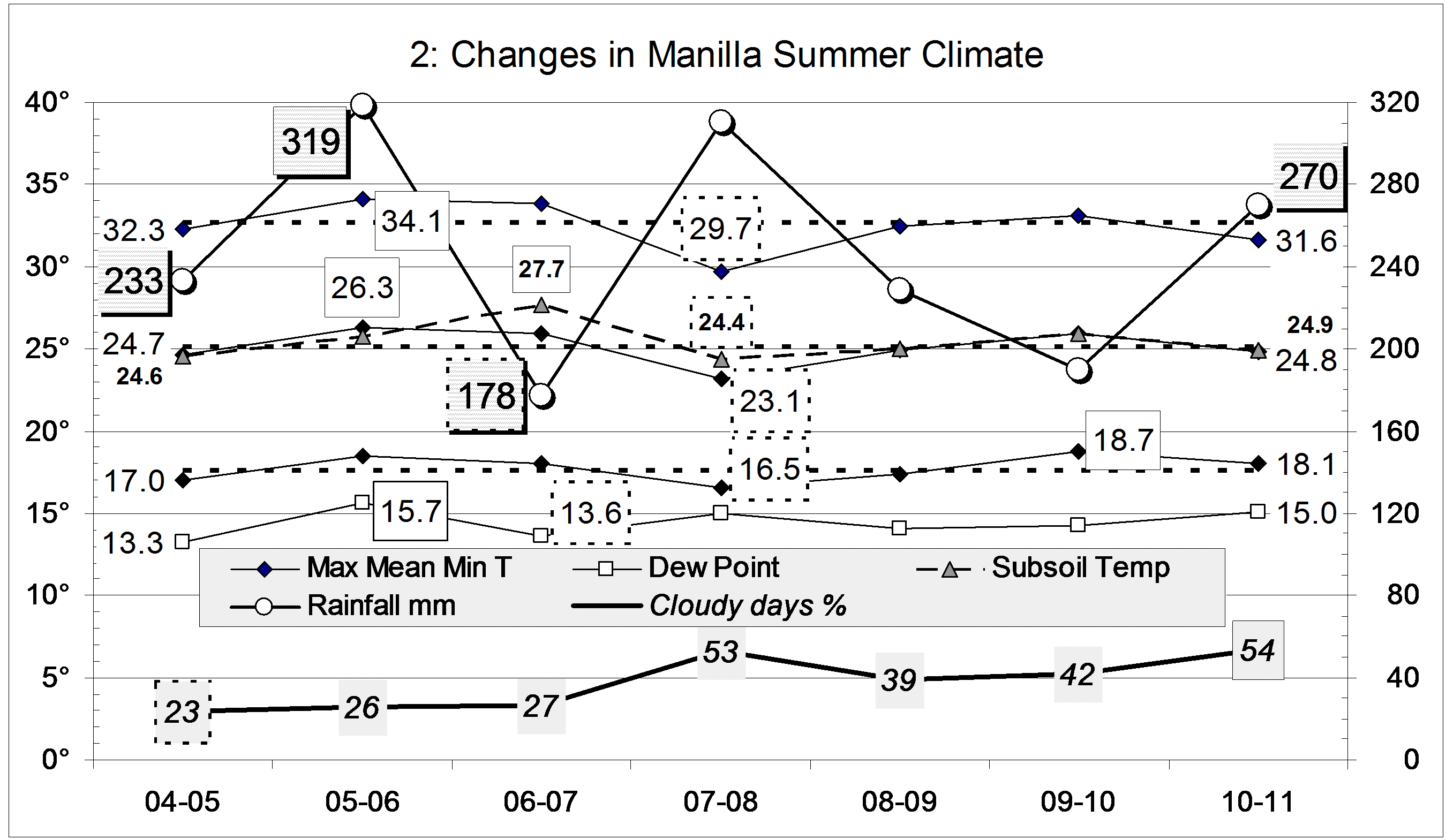
The mean daily mean temperature was normal but, due to cloud cover, the mean maximum was rather low (31.6°) and the mean minimum rather high(18.1°), reducing the mean daily temperature range to 13.6° (normally 15.1°).
This summer was the cloudiest in this record, at 54% cloudy mornings (more than four eighths of cloud), just beating the summer of 2007-08 (53%). Given that Manilla summers averaged only 31% cloudy mornings from 1999 to 2008, this is a big change indeed.
The total rainfall of 270 mm is above the long-term summer average of 225 mm. It is in the 68th percentile.Climate summer 2010-11

Data. Rainfall data is from Manilla Post Office, courtesy of Phil Pinch. Temperatures, including subsoil at 750 mm, and other data are from 3 Monash Street, Manilla.