3-year trends to March 2012

Parametric plots of smoothed climate variables at Manilla

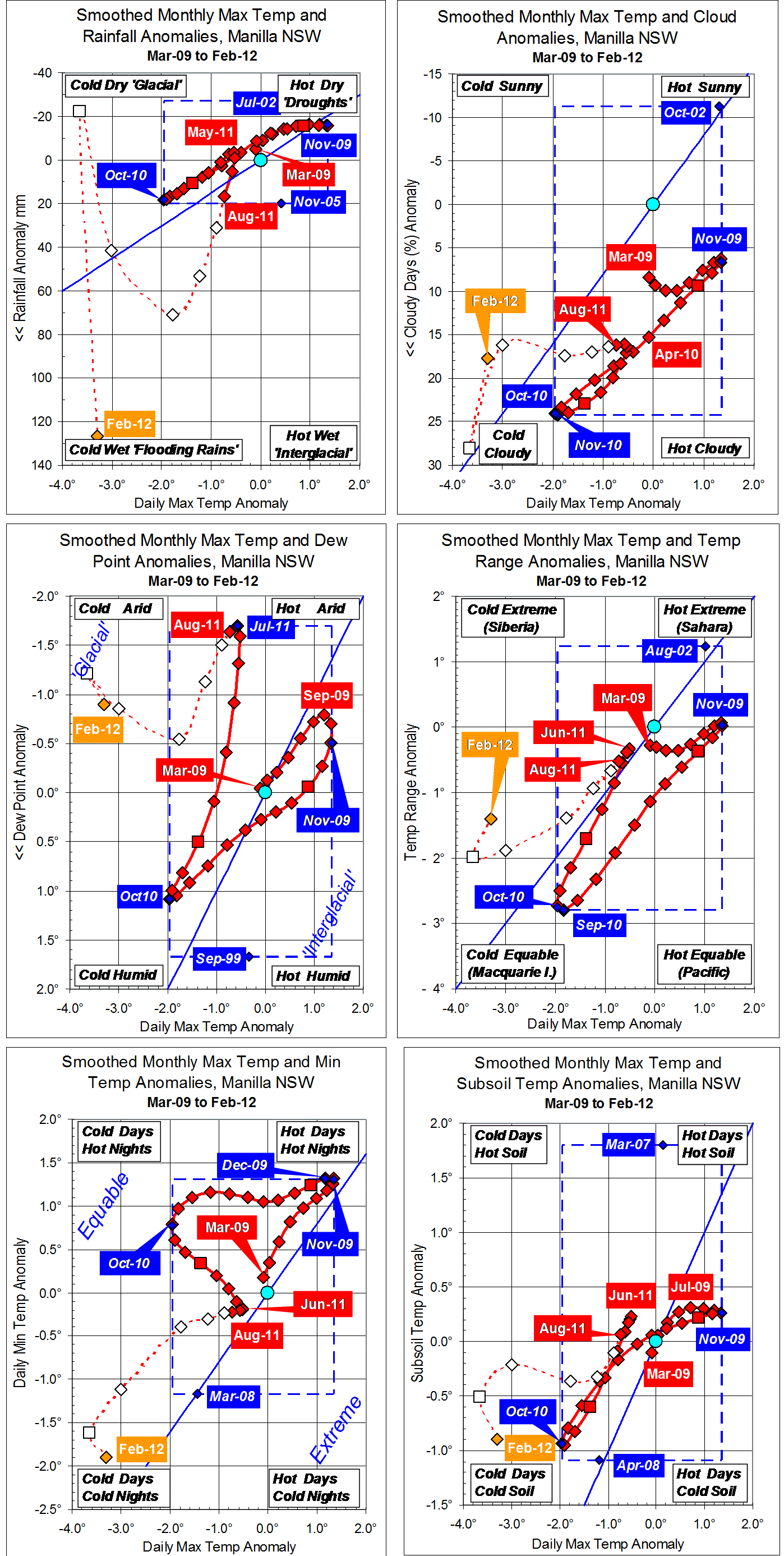
“Retreat from cold wet extreme”Trends to March 2012.
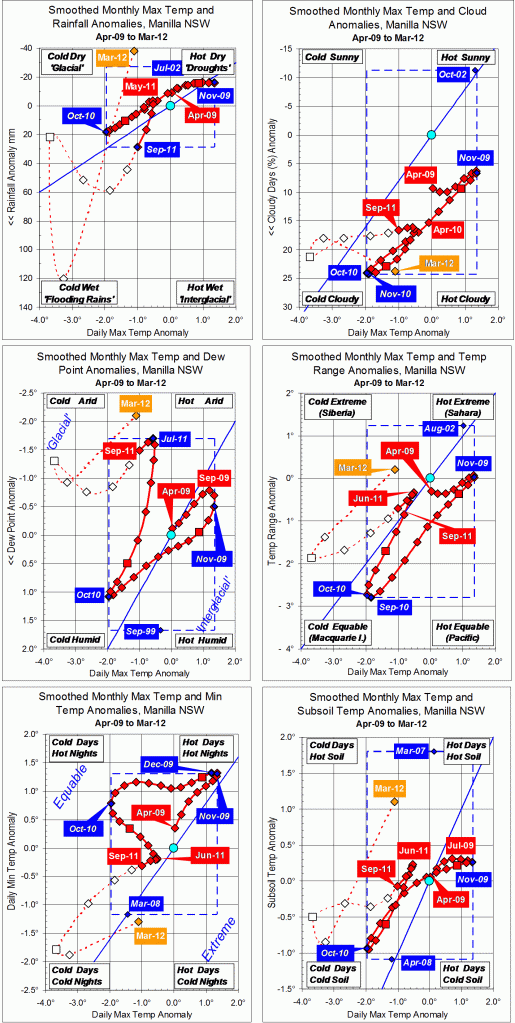
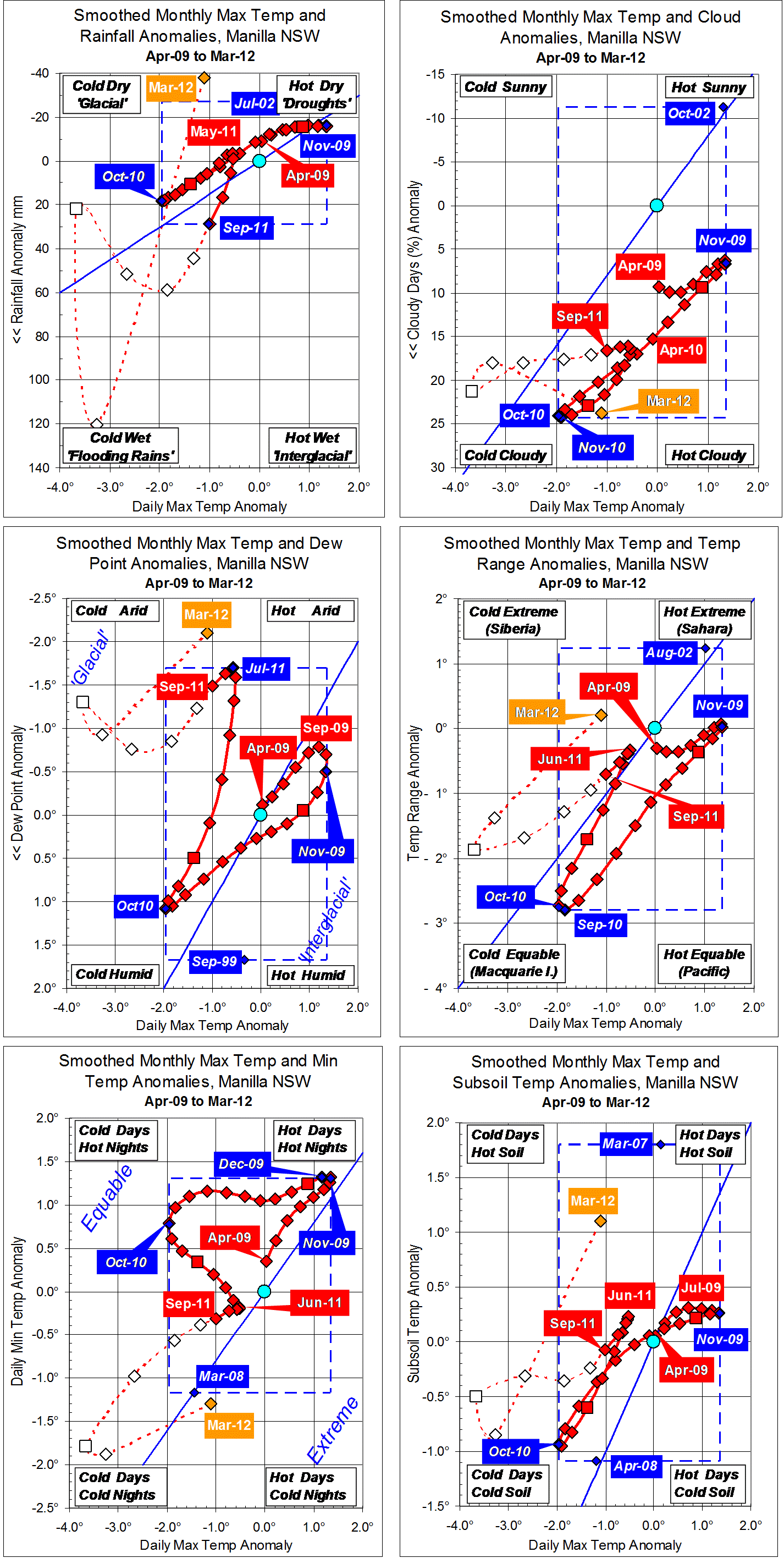
New raw data for March 2012 anomalies show a retreat from low extremes towards normal for maximum and minimum temperatures, and temperature range. Rainfall (perhaps temporarily) moved to negative to positive, and subsoil temperature from negative to positive. Cloudiness remained very high, and Dew Point very low.

Fully-smoothed data points for September 2011 include a new 13-year record high monthly rainfall anomaly of +28.6 mm (first graph). This beats the record of +20.0 mm set in November 2005. The new record is sure to be beaten by October and November 2011 when their values can be smoothed.

Although the smoothed value for maximum temperature anomaly in September 2011 was not very low, the smoothed value for December 2011 may reach a record low.

Note: Fully smoothed data – Gaussian smoothing with half-width 6 months – are plotted in red, partly smoothed data uncoloured, and raw data for the last data point in orange. January data points are marked by squares. Blue diamonds and the dashed blue rectangle show the extreme values in the fully smoothed data record since September 1999.
March 2012 a bit dry and cool

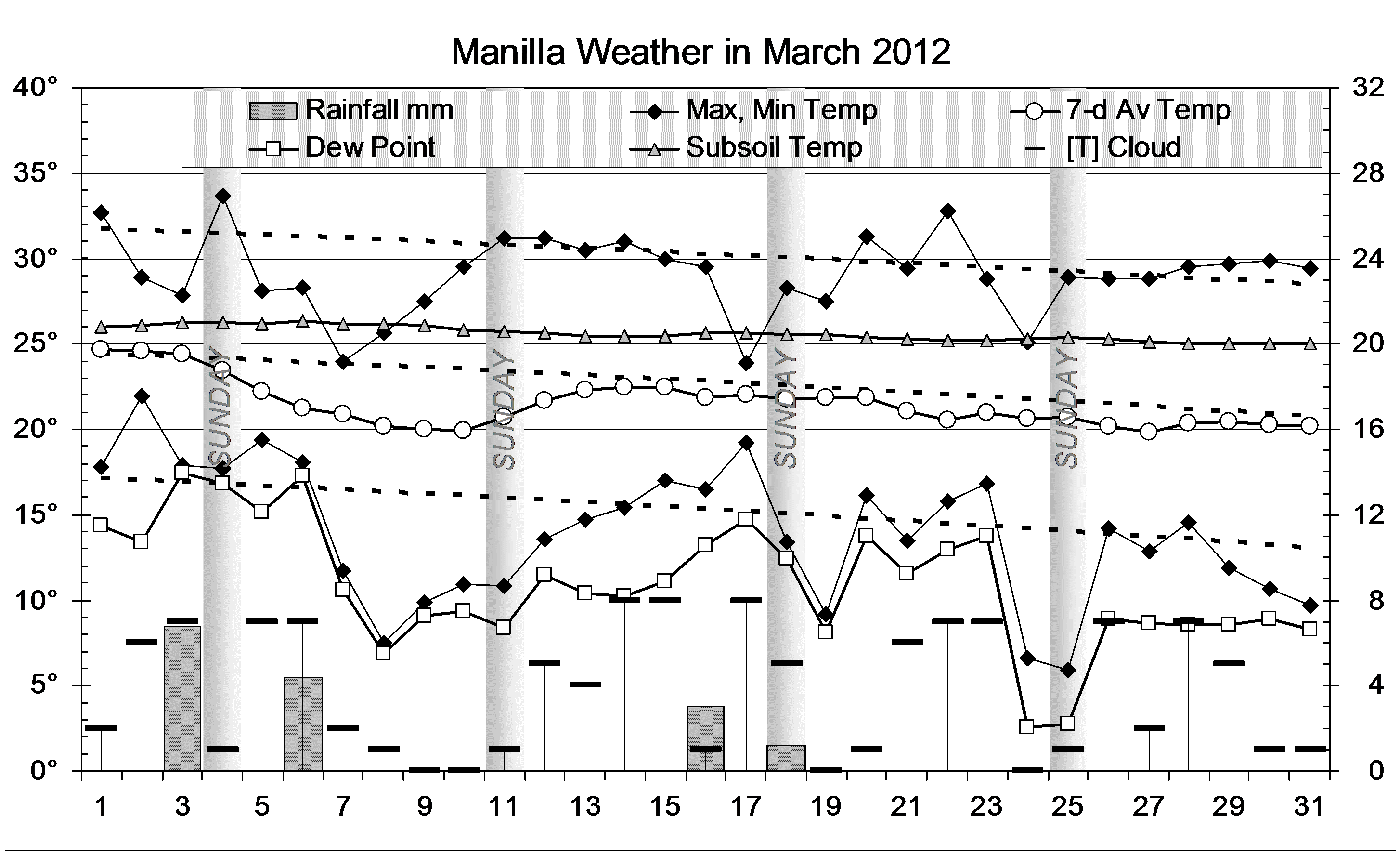
The daily weather logWeather log March 2012

Apart from a cold snap about the 9th, March was just a little cooler than usual. There were four rain days, with a maximum reading less than 7 mm. Late in the month, the weather was showery, but none of that rain fell here.

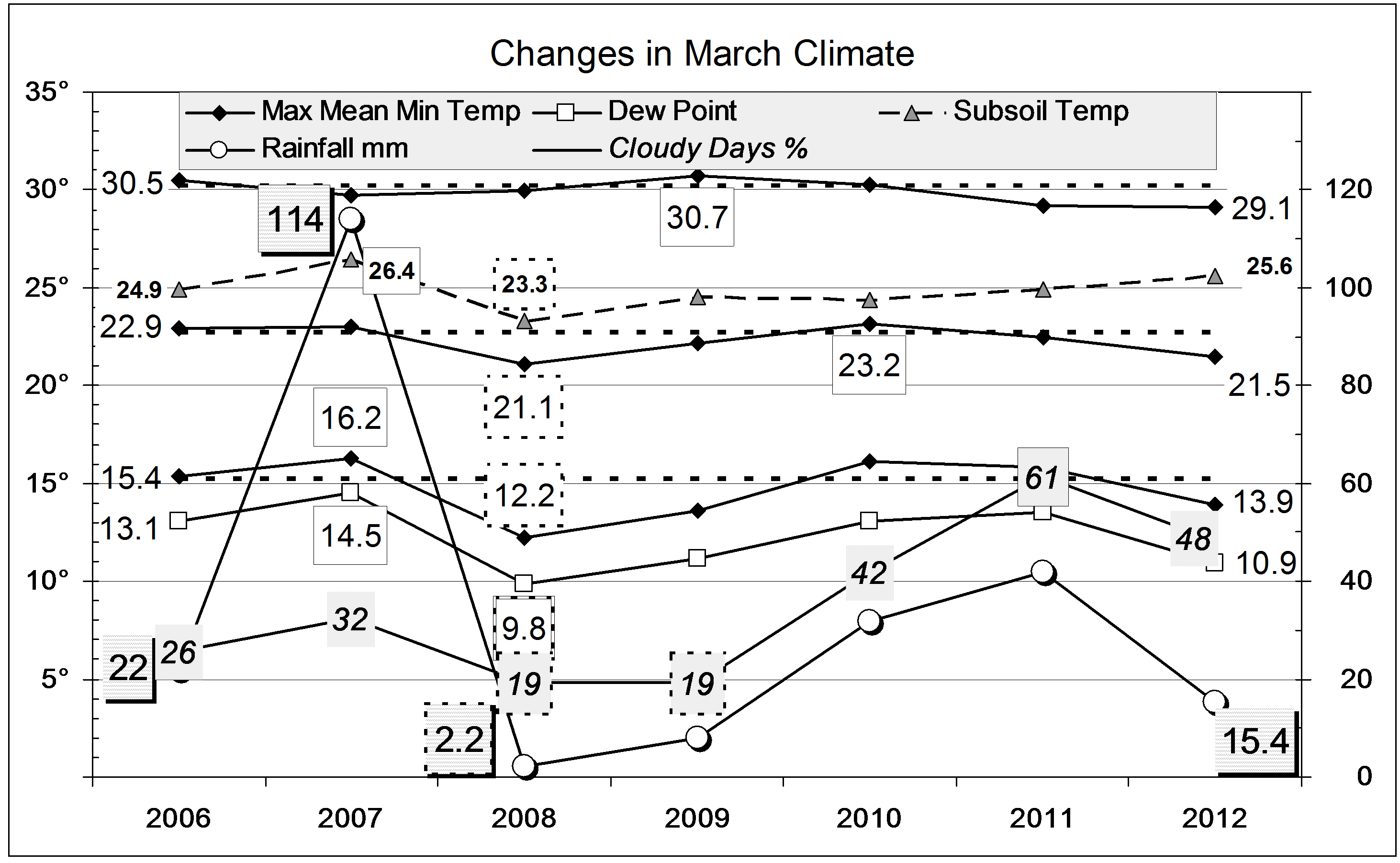
 Comparing March monthsClimate March 2012.

All the mean temperatures, and the Dew Point, were about a degree low. However, this month was not nearly as cold or as dry as March 2008, which had only 2.2 mm of rain, and barely escaped a frost.
The month was very cloudy, but not as cloudy as last year. The subsoil was very warm.
The rainfall total of 15.4 mm is well below the March average of 53.3 mm. It is in the 26th percentile: about one quarter of all March months have been drier than this one. This rather low reading hardly affects the high totals for groups of months. Totals for periods from five months to twenty-four months are still near record high values. No totals up to the thirty-year total are below normal.


Data. Rainfall data is from Manilla Post Office, courtesy of Phil Pinch. Temperatures, including subsoil at 750 mm, and other data are from 3 Monash Street, Manilla.


3-year trends to February 2012

Parametric plots of smoothed climate variables at Manilla

“February 2012 very cold and wet”Trends to February 2012.

Recent partly-smoothed data points generally diverge rapidly from the near-neutral values of winter. February raw anomalies include extremely high rainfall and extremely low daily maximum and minimum temperatures.
Low humidity persists, marked by negative Dew Point anomalies, despite extreme rainfall and cloud cover.

Winter 2011 a time of trend reversal

Fully smoothed data points are now available for Winter 2011. Most variables show stable near-zero anomaly values at a time of trend reversal:
Max temp anomaly (x-axes, all graphs) had been rising since cold October 2010, but peaked in June 2011 while still negative.
Rainfall anomaly, which had reached a minimum just below zero in May, rose quite rapidly during the winter.
Cloudiness varied little around a minimum in July.
Uniquely, Dew Points were very low: the anomaly reached a new record low smoothed value of -1.70 degrees in July. This beat the drought year smoothed value of -1.48 degrees of September and October 2002.
Daily temperature range was slightly low and falling; so was daily minimum temperature. Subsoil temperature was slightly high and falling.

Note: Fully smoothed data – Gaussian smoothing with half-width 6 months – are plotted in red, partly smoothed data uncoloured, and raw data for the last data point in orange. January data points are marked by squares. Blue diamonds and the dashed blue rectangle show the extreme values in the fully smoothed data record since September 1999.
February 2012 very wet

The daily weather logWeather log February 2012.

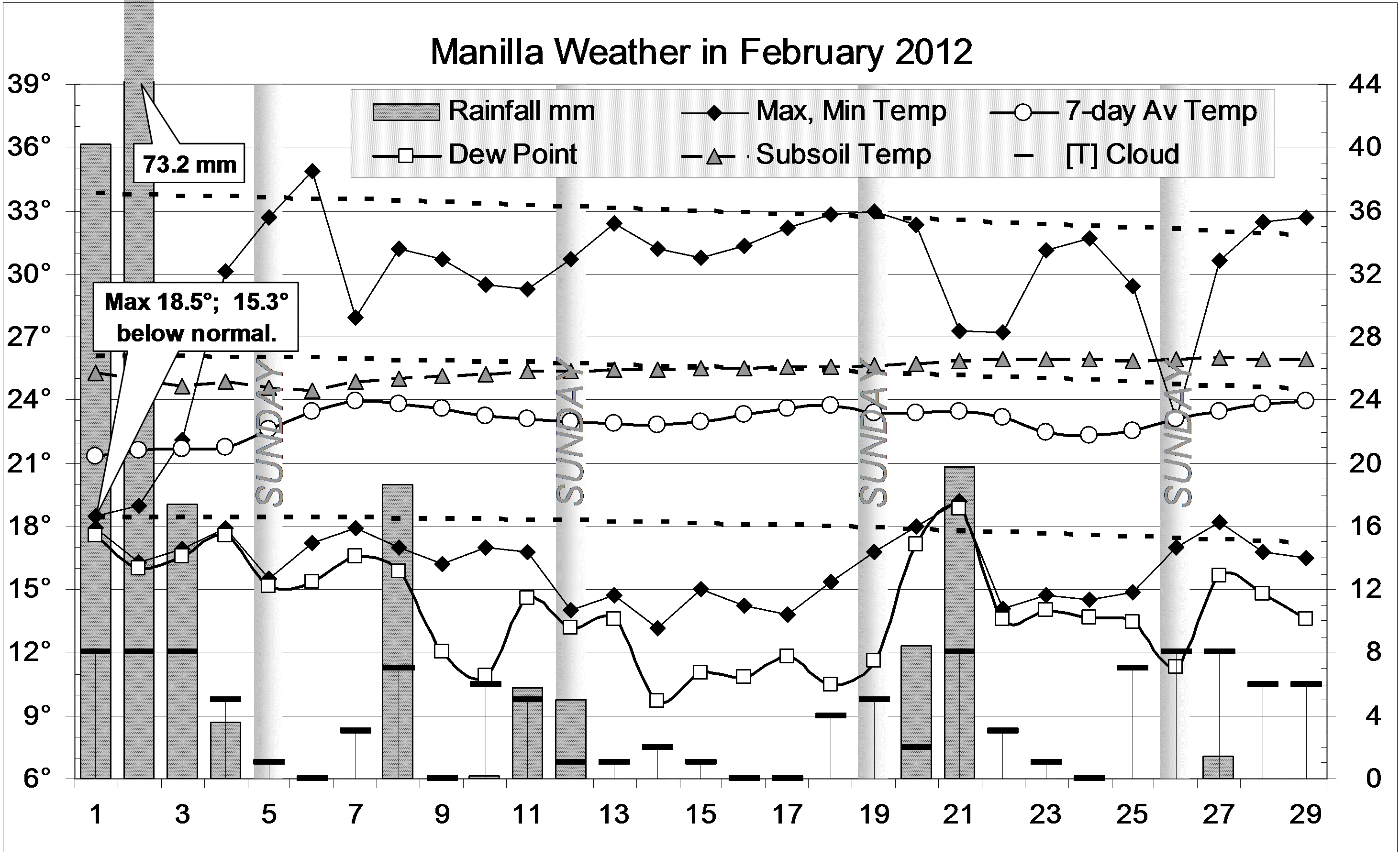
As in December and January, nearly all the days and nights of February were cooler than normal. No days went over 35°, and no nights over 20°. Wednesday the 1st reached only 18.5°, which is 15.3° below normal! Rain that began three days earlier, totalled 145.2 mm by the 4th : one-fifth of a year’s rain in seven days! However, there was no flooding.
In all, February had 11 rain days, totalling 196.3 mm, with 73.2 mm on the 2nd.

Comparing February monthsClimate February 2012.

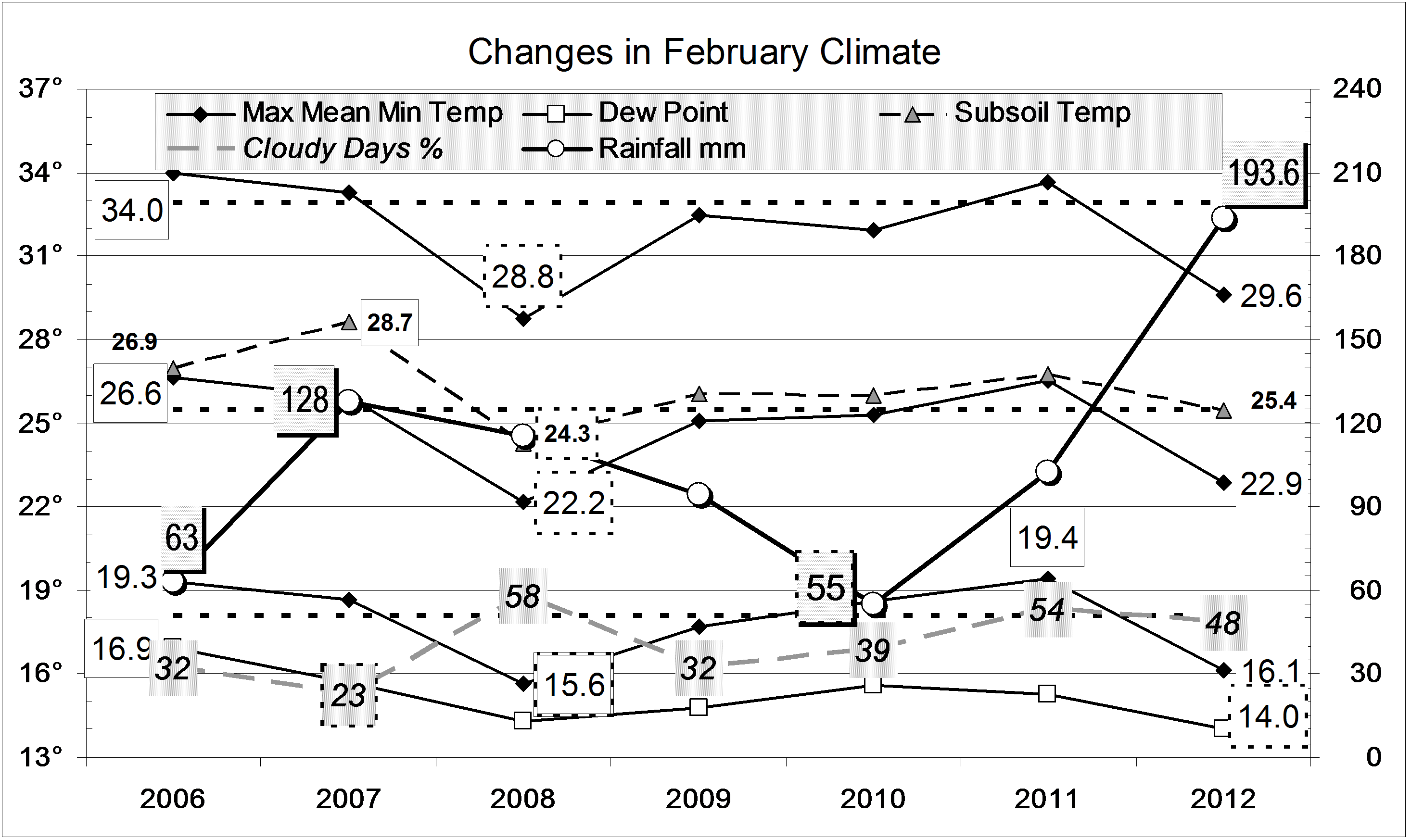
While this month’s mean daily maximum temperature was nearly 3° below normal, February 2008 was cooler on all measures.
The Dew Point was again low: very dry air persists, despite cloudy skies and extreme rainfall.
The rainfall of 193.6 mm is in the 97th percentile for February, the fifth wettest in 129 years. As this combines with the November deluge, rain totals for groups of 4, 5, and 6 months have near-record values: 4 months: 576 mm (3rd wettest); 5 months: 674 mm (4th wettest); 6 months: 765 mm (3rd wettest). Total rainfalls for longer periods, up to 30 years, are now all well above average.


Data. Rainfall data is from Manilla Post Office, courtesy of Phil Pinch. Temperatures, including subsoil at 750 mm, and other data are from 3 Monash Street, Manilla.

3-year trends to January 2012.

Parametric plots of smoothed climate variables at Manilla

“Low Dew Points and cold days persist”Trends to January 2012.

Except for humid November 2011, Dew Points at Manilla (Centre left graph) have now shown remarkable aridity for nine months. The July 2011 value for Dew Point anomaly, now fully smoothed, requires the blue line to be moved yet again. It sets a new lower limit for smoothed Dew Point anomaly: minus 1.70 degrees.
Daily maximum temperature (X-axis, all graphs), from a remarkably low value (-4.7) in December, rose only to -3.6 in January.
On the top left graph, the rainfall anomaly returned from a record positive value in November to stongly negative within two months.
Cloudiness went from very high to extreme.
Daily temperature range (centre right graph) and daily minimum temperature (bottom left graph) moved back from the extreme values of December.

Note: Fully smoothed data – Gaussian smoothing with half-width 6 months – are plotted in red, partly smoothed data uncoloured, and raw data for the last data point in orange. January data points are marked by squares. Blue diamonds and the dashed blue rectangle show the extreme values in the fully smoothed data record since September 1999.