Late March 2010 Warmth

The daily weather logWeather log March 2010
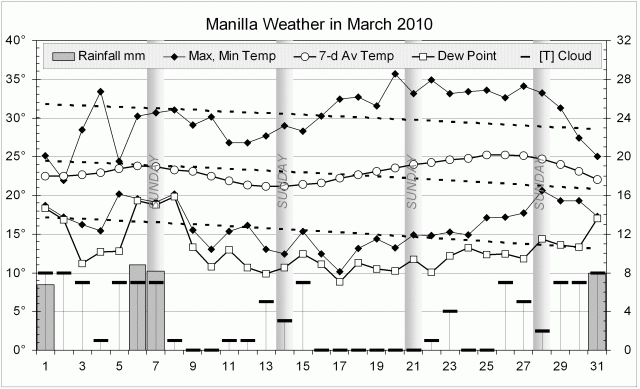
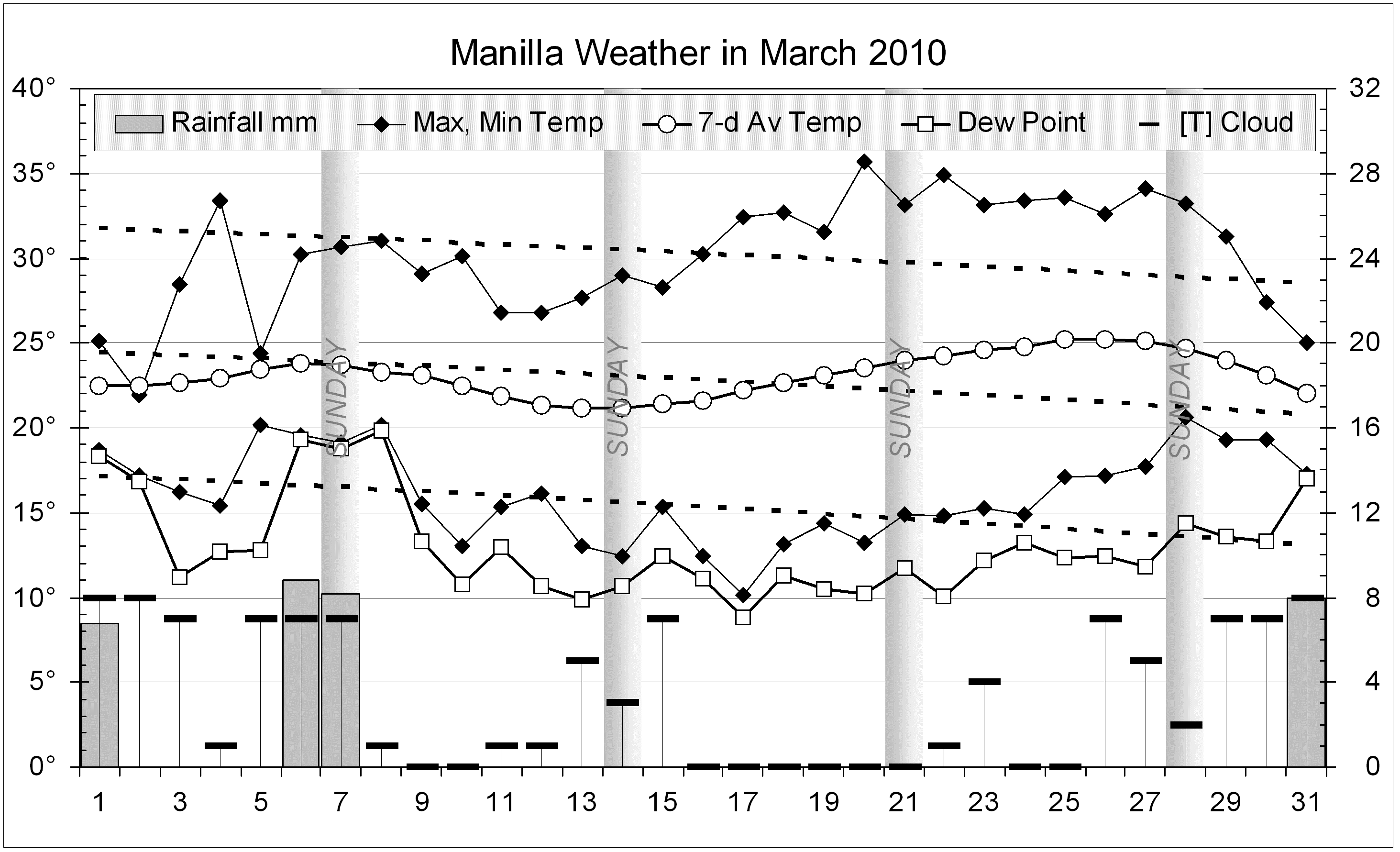
After three early rain days, there was a long spell of warm sunny weather. From the middle of the month, all temperatures rose well above normal. The maximum on the 20th went to 35.7° and the minimum on the 28th to 20.6°. A rain-band in the district in the last days yielded only 8 mm, bringing the month’s total to 31.8 mm in four rain days.

 Comparing March monthsClimate March 2010

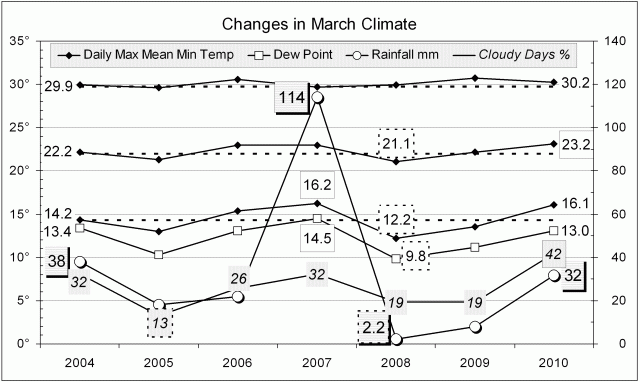
While the average maximum and Dew Point readings were near normal, the mean and minimum readings were very high. There were more cloudy mornings than any March in the 11-year record, and the daily temperature range (14.1°) was narrow – not much wider than the 13.5° recorded in March 2007. This month was very like that one, but the rain then was four times as heavy.
The rainfall of 31.8 mm is in the 43rd percentile for March, below the long-term average of 51 mm. There are no serious shortages in rainfalls for groups of months. The worst are the 12-month total of 480 mm (16th percentile) and the nine-year total of 5388mm (12th percentile), which is just under 600 mm/year. (The 125-year average is 652 mm/year, and the median (50th percentile) is 627 mm/year.)


Data. Rainfall data is from Manilla Post Office, courtesy of Phil Pinch. Temperature and other data are from 3 Monash Street, Manilla.


Warm Nights in Summer 2009-10


Weather log summer 2009-10

No warm spell this summer matched that of late November, which had four days over 40°. There was only one 40° day all summer. By February there were no warm spells.
Summer began hot and very dry, with clear skies and low humidity. Year’s end saw days of rain, low cloud and extremely high humidity. In mid-January the air was again very dry, but cool.


The mean daily maximum temperature was normal, but the mean minimum (18.7°) was the highest in eleven summers. The number of nights warmer than 20° (34) is also the highest, nearly twice the usual number.
The total rainfall of 190 mm is below the long-term summer average of 225 mm. It is in the 42nd percentile.
At 42% cloudy mornings, this summer was very cloudy, but not extremely cloudy like the summer of 2007-08 (53%). These summers shared the record for completely overcast mornings, with 18 each.

Climate for summer 2009-10


Data. Rainfall data is from Manilla Post Office, courtesy of Phil Pinch. Temperatures, including subsoil at 750 mm, and other data are from 3 Monash Street, Manilla.

February 2010: two rainy spells

The daily weather logWeather log February 2010

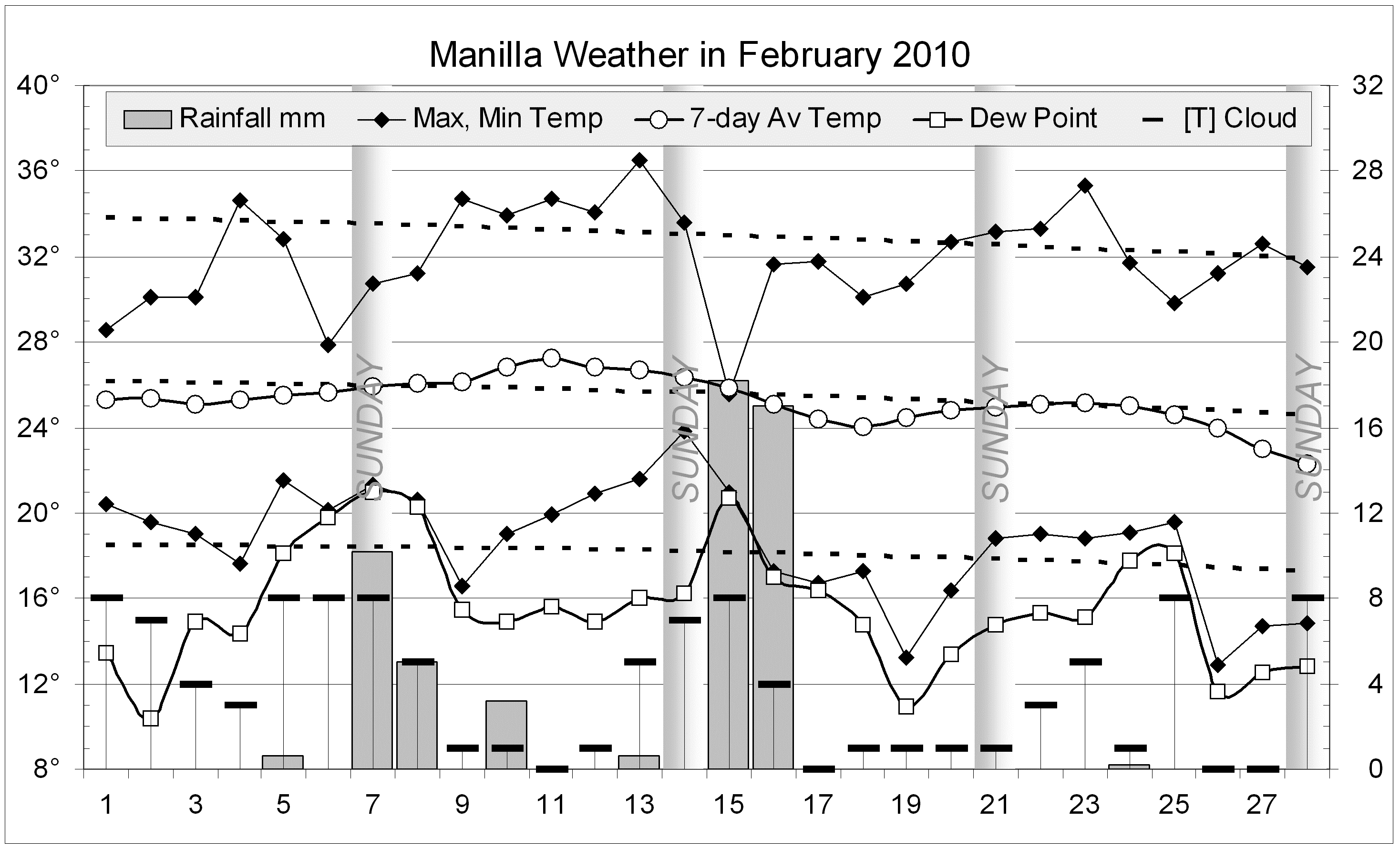
While last February was very hot then very cold, this February had no such weather. The only cool day was the 15th, at 25.6°.
Rain came in two short spells, totalling 55 mm in eight rain days (usually seven).

 Comparing February monthsClimate February 2010

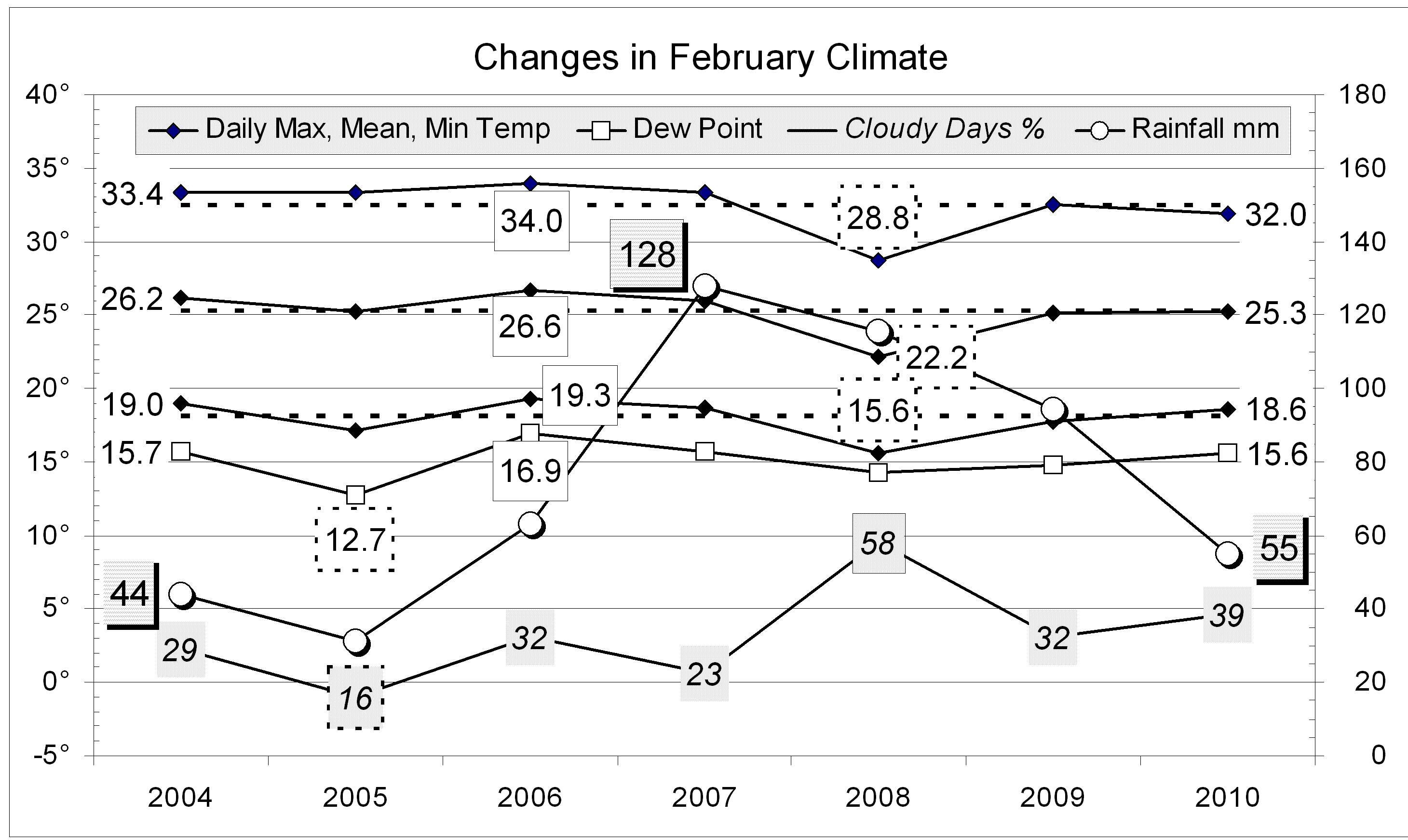
This month’s average readings were normal. There were a few more cloudy mornings than usual, and the daily temperature range (13.3°) was down by one degree.
The rainfall total (55.0 mm) was in the 55th percentile for the month; above the February median (middle value) of 46 mm, but below the long-term February average of 67 mm. Rainfall totals for groups of months remain fairly high. The greatest rainfall shortage is the 12-month total (456 mm), which is in the 13th percentile.


Data. Rainfall data is from Manilla Post Office, courtesy of Phil Pinch. Temperature and other data are from 3 Monash Street, Manilla.


Normal weather in January 2010

The daily weather logWeather log January 2010

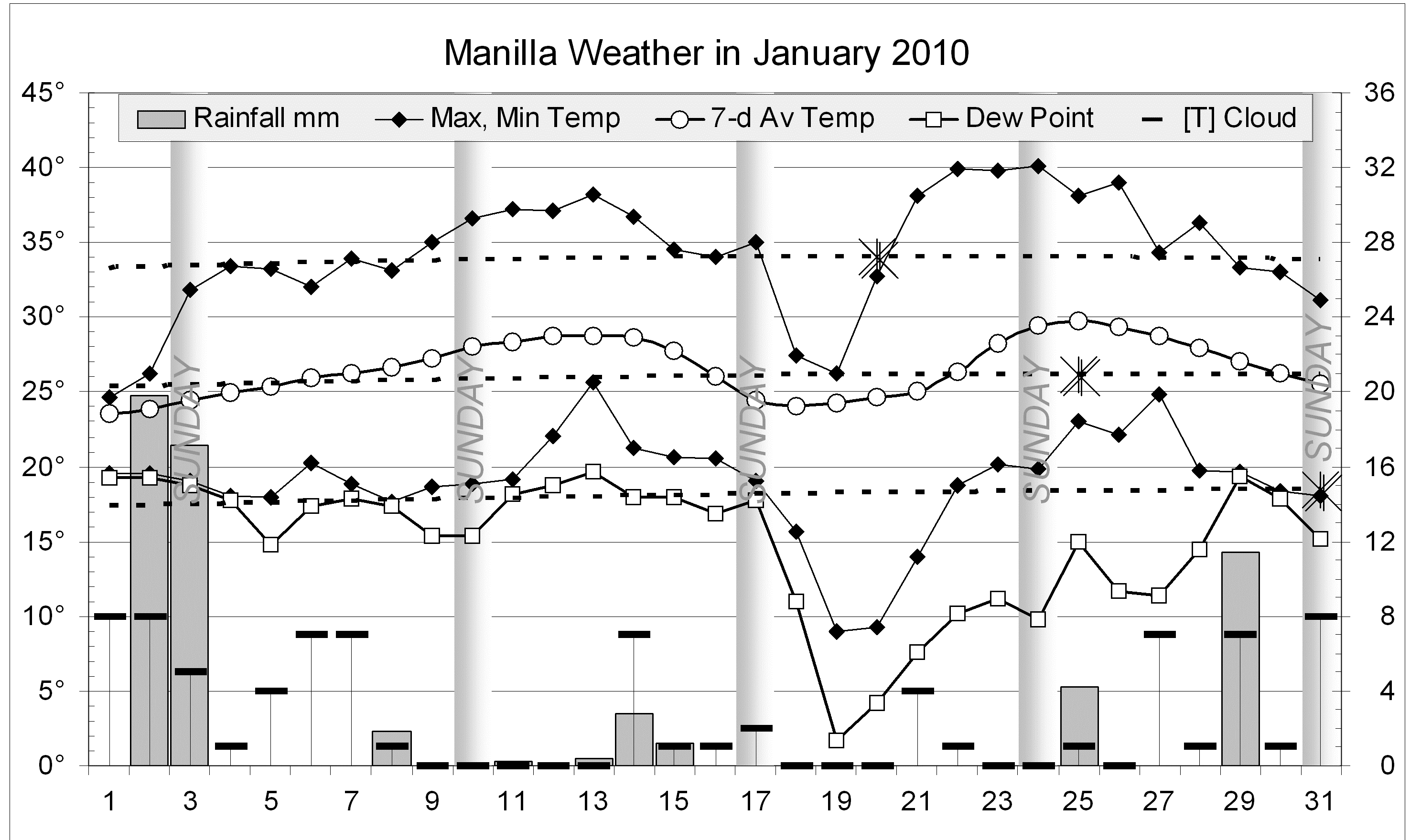
Cool, cloudy, rainy, humid weather at New Year soon gave way to warm sunny, humid weather. On the 19th temperatures and humidity fell very low, but the next days were hot. Storms marked the final week.
Nine rain days yielded 59.0 mm, with 19.8 mm registered on the 2nd.

“Normal Temperature”

Each monthly weather graph has dashed curves to show the temperatures that are normal for each day of the year. They are harmonic curves matching 10-year averages from March 1999. On this January graph, the highest values are marked with a double “X”. Summer heat is due to the sun, which can give most heat on the 21st of December (the summer solstice). On that day the sun is highest and shines the longest. However, it takes many days for the air to warm up. On average, the hottest day in Manilla comes 30 days later (January 20th) and the hottest night 41 days later (January 31st). (See the monthly weather report for July 2010 for the lowest normal temperatures of the year.) These relationships are shown on a graph here.

 Comparing January monthsClimate January 2010

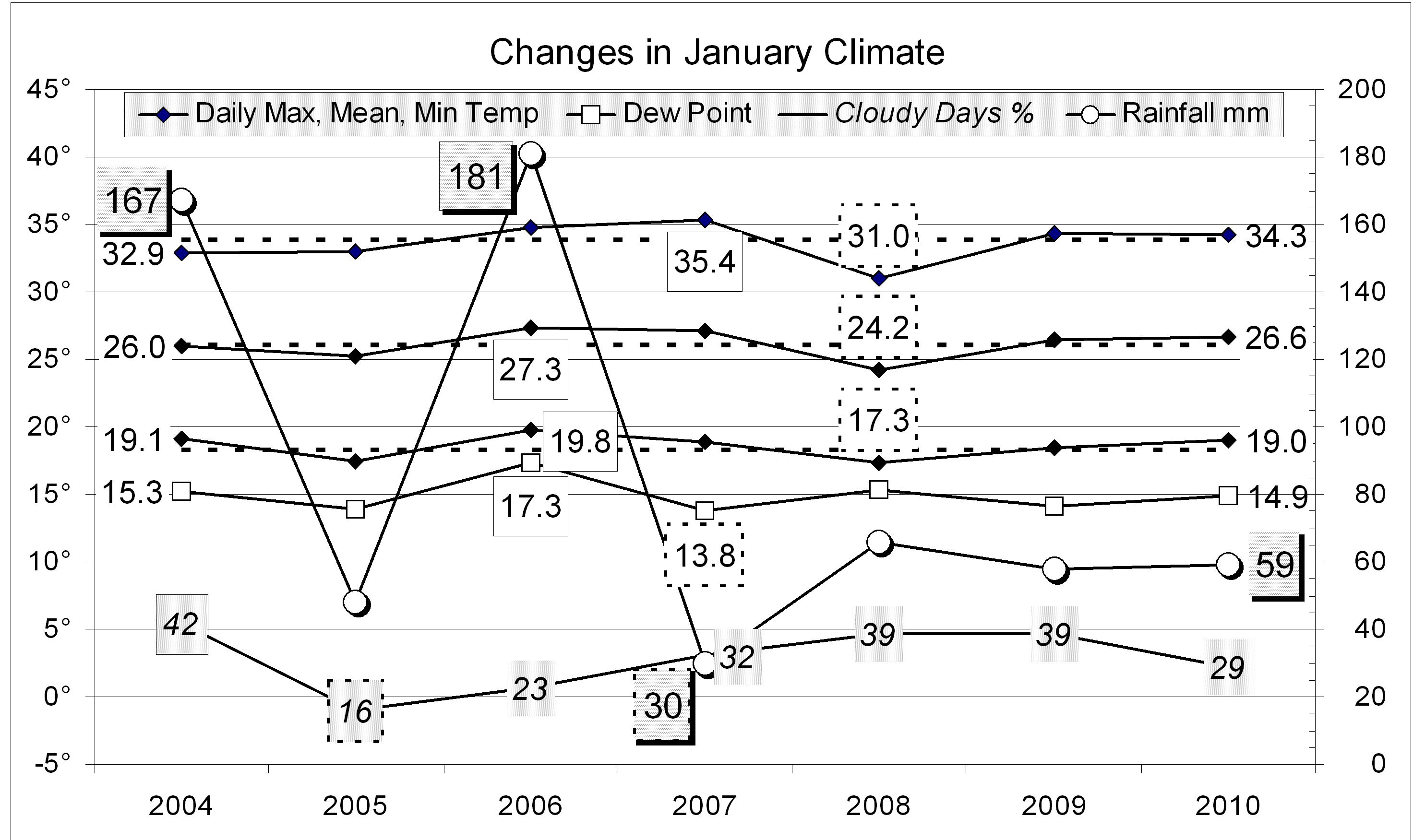
All average values except rainfall are near normal for the month.
The rainfall total of 59.0 mm is in the 40th percentile, rather lower than the median for January (75 mm). Most totals for more than one month are still good. Even the 9-month total (now 339 mm) has risen to the 15th percentile.


Data. Rainfall data is from Manilla Post Office, courtesy of Phil Pinch. Temperature and other data are from 3 Monash Street, Manilla.


Parched December 2009 went soggy

The daily weather log
Weather log December 2009

December began dry, very warm, and almost cloudless. In all, there were fourteen days over 35°: remarkable except that it had happened in November too! Plants began dying from lack of rain and low humidity. By the 19th there had been 39 days without 5 mm of rain. The Dew Point on the 12th (-1.1°) was the lowest for a December morning.
Within a week, the sky became overcast, the days cool, and the humidity extreme: the Dew Point from the 27th on was near or above 20°. The hills were often hidden in cloud or rain. The highest rainfall reading (44.6 mm) is a total of several rain days. Heavy rain fell during Sunday the 27th.

 Comparing December months

Climate December 2009

The mean maximum temperature (33.1°) is not as high as in December 2005 (33.7°), but the mean mean (25.9°) and mean minimum (18.6°) are the highest for the decade. All are two degrees warmer than normal, but not extreme as in November.
At 52% cloudy mornings this month was very cloudy, but not as cloudy as December 2007 (58%). The mean morning Dew Point, 12.6°, was normal.
The rainfall total of 75.6 mm is in the 55th percentile, just above the median for December. Most totals for more than one month are quite good. Shortages affect the 6-, 9-, and 12-month totals, but even the 9-month total (now 334 mm) is no longer a serious shortage: it is in the 13th percentile. A shortage in the 10-year rainfall total (15th percentile) may be keeping river base-flows and deep water tables down.

The year 2009

The year 2009 was dry, with only 495 mm of rain. That is on the 16th percentile, meaning one year in six has been drier. It followed two wet years, 2007 with 741 mm (68th percentile) and 2008 with 720 mm (64th percentile).


Data. Rainfall data is from Manilla Post Office, courtesy of Phil Pinch. Temperature and other data are from 3 Monash Street, Manilla.