November 2010: more cool, cloudy, wet weather

The daily weather log

Weather log November 2010 Manilla

As in October, November’s days were very cool: only 5 days went above 30°.
Rain fell on 11 days. The highest reading was 21.0 mm on the 12th.

Comparing November months

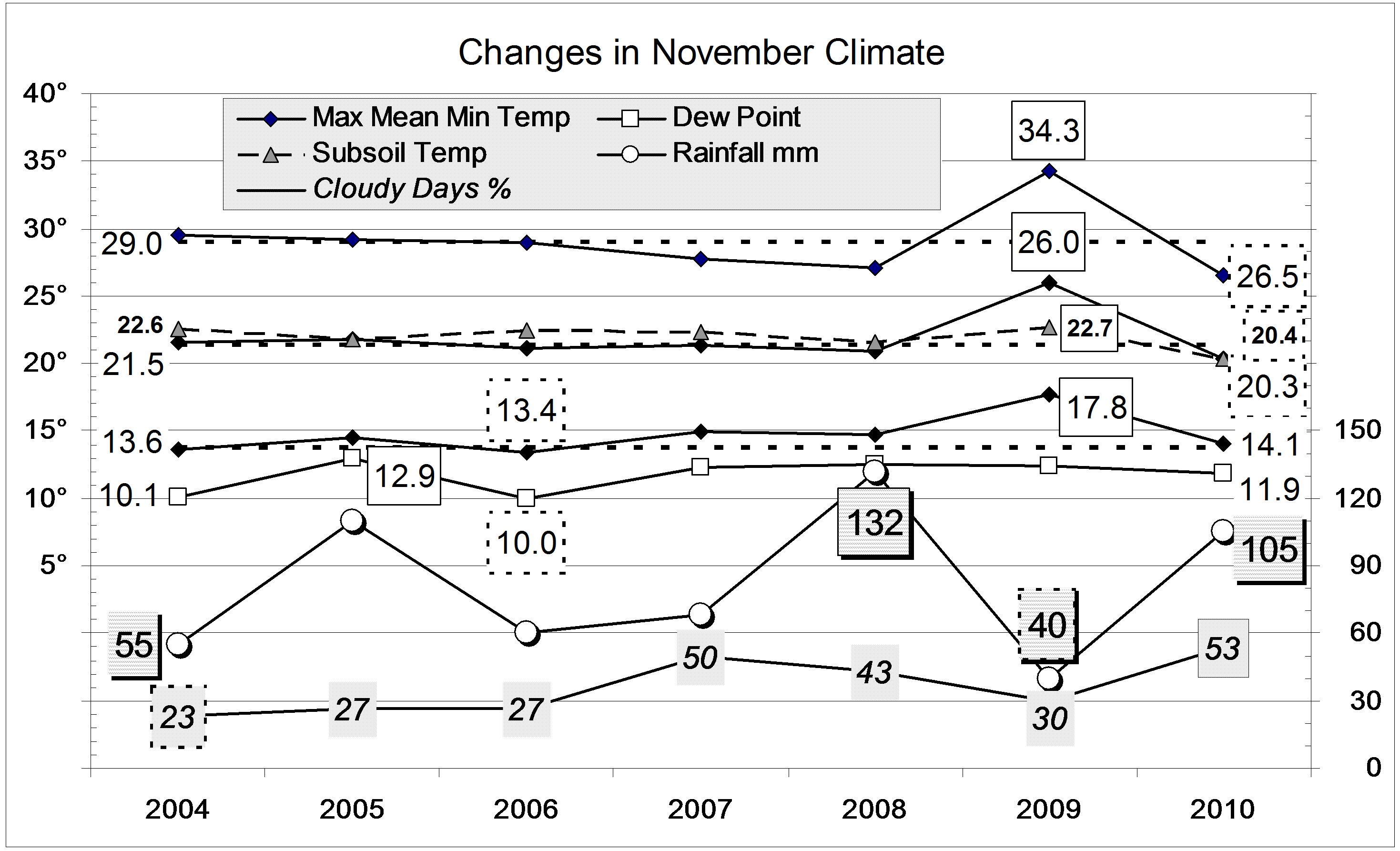
Climate November 2010 Manilla

The mean daily maximum temperature (26.5°) was the lowest for November on this 12-year record. The mean daily temperature range (12.4°) was (with November 2008) a record low value.
Mean subsoil temperature (20.4°) was the lowest since November 1999. The month ended with subsoil temperature (then 22.2°) trailing only 10 days later than its usual date. It had begun the month 22 days late.
There were more cloudy mornings (53%) than in any November on this record.
The rainfall of 105.4 mm is in the 84th percentile for November, far above the long-term average of 67 mm. Totals for groups of months up to 15 months are now all above the median, as is the thirty-year total.


Data. Rainfall data is from Manilla Post Office, courtesy of Phil Pinch. Temperatures, including subsoil at 750 mm, and other data are from 3 Monash Street, Manilla.

Cool, cloudy, wet October 2010

The daily weather logWeather log October 2010 Manilla


October days were very cool: no days went above 30°, when usually seven days do, and the 16th, at 14.2°, was 13° below normal. The following night (the only frost) was 10° below normal. A day earlier, overcast skies brought an extremely narrow daily temperature range (2.3°) on the 15th.
Rain fell on 8 days. The highest reading was 20.4 mm on the 4th.

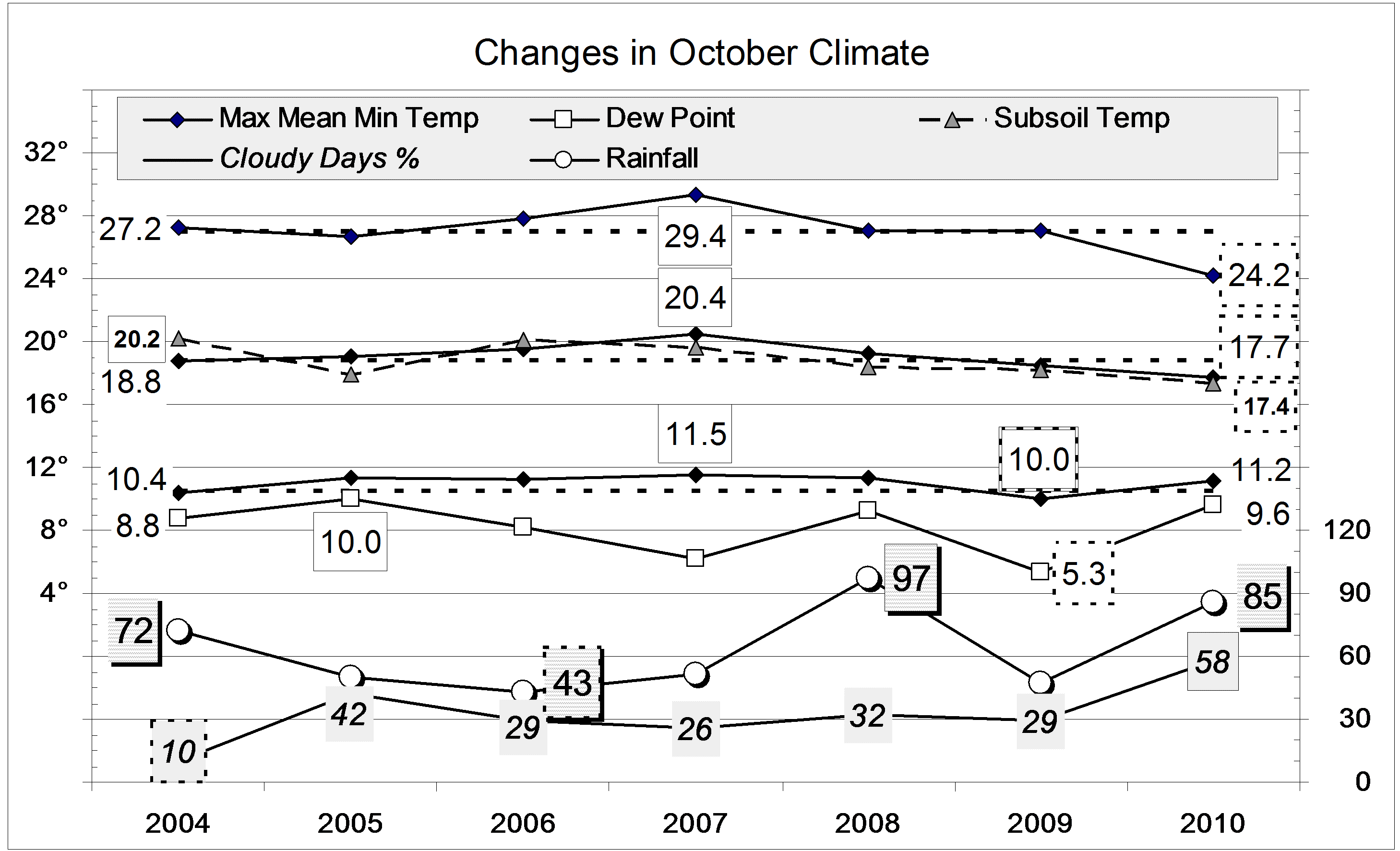
Comparing October monthsClimate October 2010 Manilla


The mean daily maximum temperature (24.2°) was the lowest for October on this 12-year record. The mean daily mean temperature (17.7°) was low, but the mean daily minimum temperature (11.2°) was normal. The mean daily temperature range (13.1°) was a record low value.
Mean subsoil temperature was remarkably low: 17.4° against a 12-year October mean of 19.4°. The month ended with subsoil temperature (then 18.8°) trailing 22 days later than its usual date.
There were more cloudy mornings (58%) than in any October on this record. The mean early morning Dew Point (9.6°) was also high.
The rainfall of 85.4 mm is in the 80th percentile for October, far above the long-term average of 58 mm. Totals for groups of months up to six months are now all above the median, as is the thirty-year total.


Data. Rainfall data is from Manilla Post Office, courtesy of Phil Pinch. Temperatures, including subsoil at 750 mm, and other data are from 3 Monash Street, Manilla.

Rainy, very cloudy September 2010

The daily weather logWeather log September 2010 Manilla


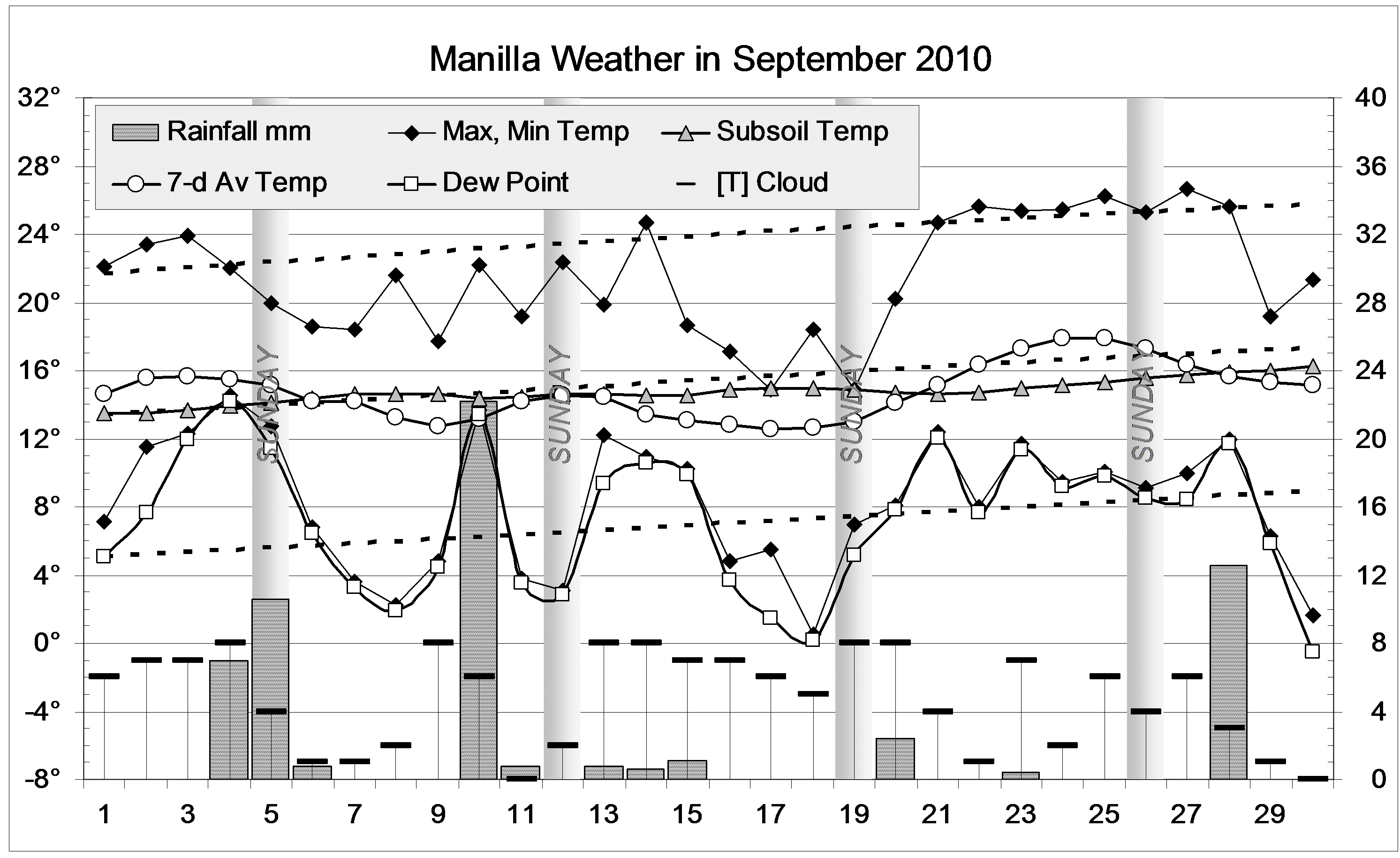
Like August, September had no extremes. Many days had normal temperatures, especially late in the month, and many others were cool. Nights varied, with two frosts, but most were warm.
Rain fell on 11 days, a September record number for the decade. The highest reading was 22.2 mm on the 10th. A reading of 12.6 mm was due to a brief afternoon shower on the 27th.

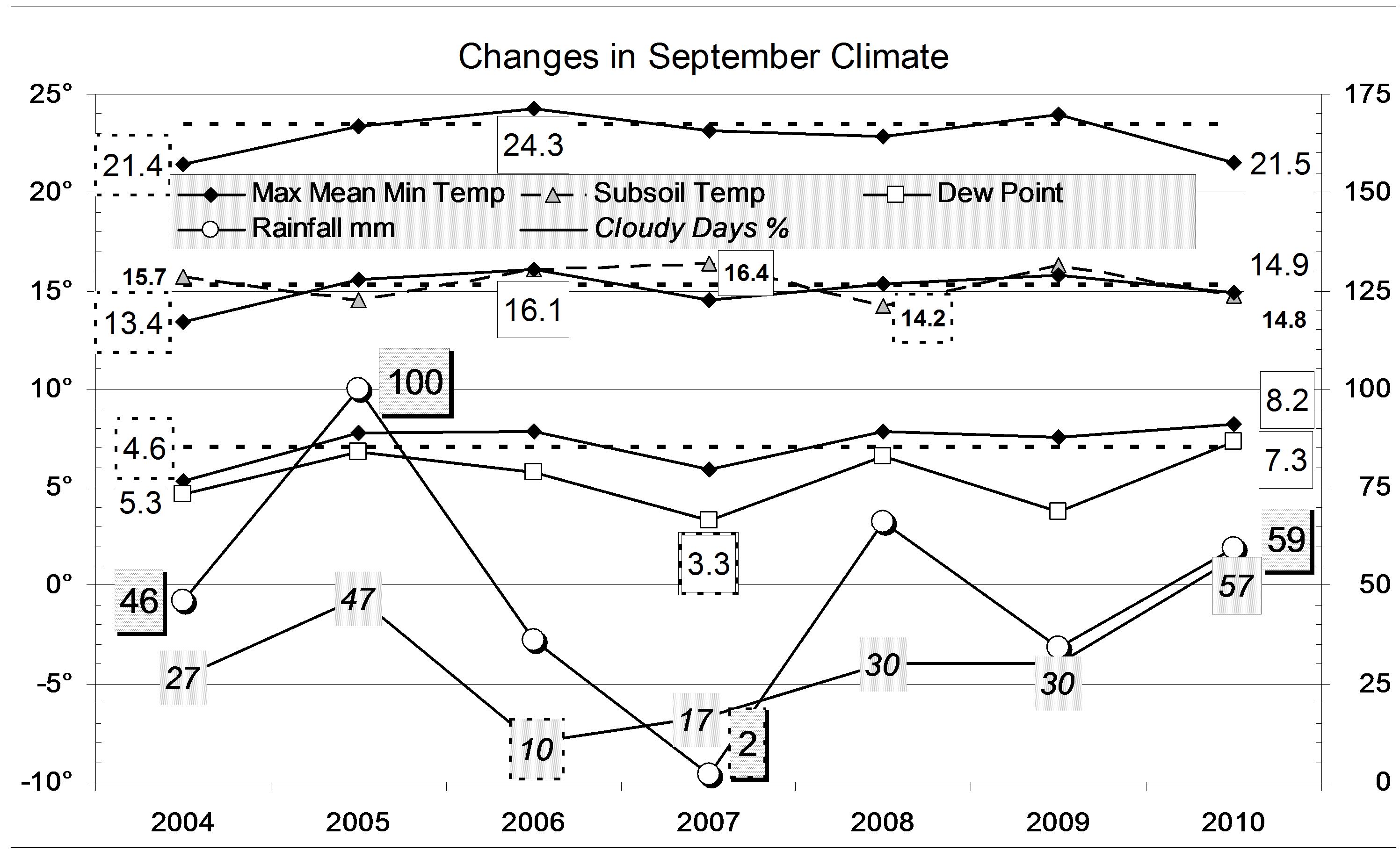
Comparing September monthsClimate September 2010 Manilla


The mean daily temperature (14.9°) was normal, but days (21.5°) were only 13.3° warmer than nights (8.2°). Usually, September has the highest daily temperature range of the year: 16.9°.
Along with cool days and warm nights, there were more cloudy mornings (57%) than in any September on this record. Very high humidity made the mean early morning Dew Point (7.3°) nearly two degrees higher than normal.
The rainfall of 59.3 mm is in the 76th percentile for September, well above the long-term average of 41 mm. Totals for two, three, and four months are now all above the median. The thirty-year total has now reached the median value, after three years below it.


Data. Rainfall data is from Manilla Post Office, courtesy of Phil Pinch. Temperatures, including subsoil at 750 mm, and other data are from 3 Monash Street, Manilla.

Winter 2010 wet, with few frosts

 An episode of maritime climate

I have posted this seasonal report for winter 2010 on the front page, as a sticky post, to show how the climate of that season was not normal. It was not the average temperature or the rainfall that were unusual. The sky was very cloudy, the humidity very high, and the daily temperature range very low. The climate was equable, as one would expect at a place near the sea: a maritime climate. More in the footnote*

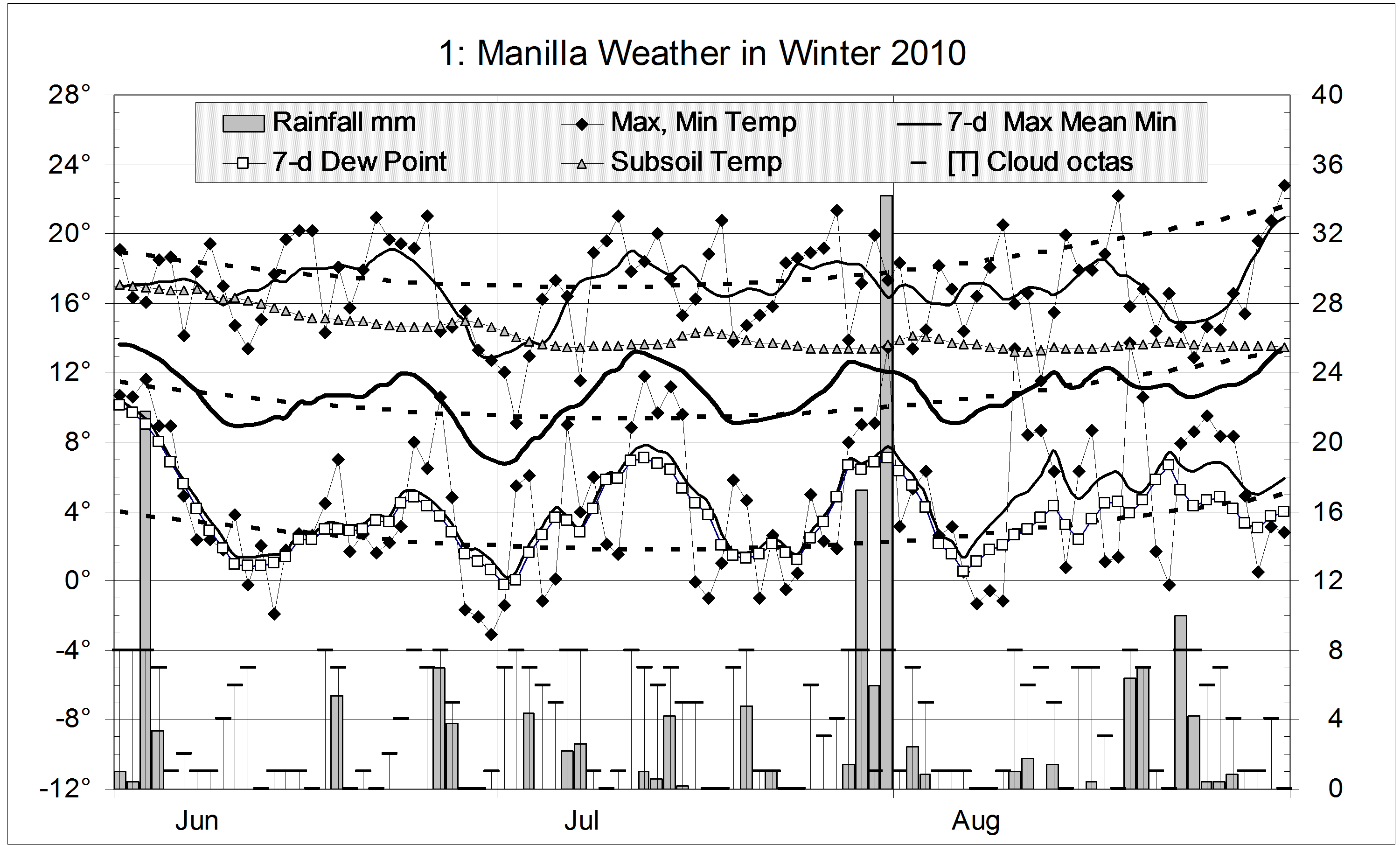
Weather log winter 2010

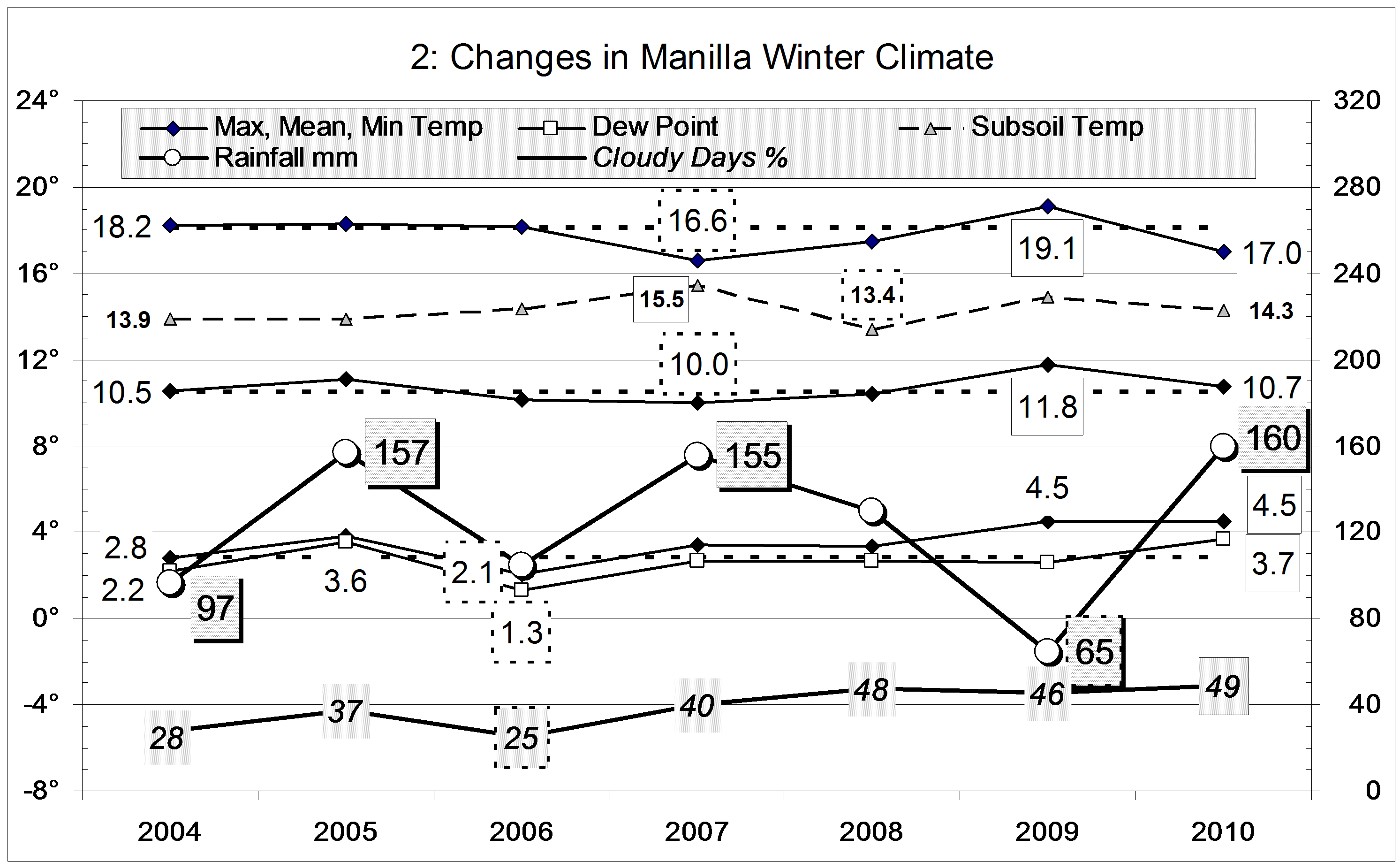
Temperatures this winter changed little from month to month. June, July and August each had temperatures near the season averages: maximum 17.0°, mean 10.7° and minimum 4.5°. Warm days were rare: only 11 exceeded 20° (usually 25). This winter was even less frosty than the last, with only 32 frosts (usually 44). The lowest minimum was -3.1°.
There were 33 rain days, about twice the usual number.


In terms of daily mean temperature, this winter was normal, However, cool days and warm nights made the daily temperature range (12.5°) narrower than in any winter in the 12-year record. It was also the cloudiest, at 49% cloudy mornings. Manilla’s climate became much more cloudy three years ago, when the average number of cloudy mornings in a month jumped suddenly from nine to twelve (See also these other graphs.). Humidity, as shown by early morning Dew Point was also very high this winter. All these changes reflect a more maritime climate, as on the coast.
Each month would have had rainfall close to average, were it not for one reading of 34.2 mm at the end of July. The total of 160 mm is in the 70th percentile, like that of the wet winters of 2005 and 2007.

Climate winter 2010

*Footnote. The nature of this episode is clear on the 3-year graphs of climate trends, such as that for August 2011. The top left graph shows that, in June, July, and August 2010, rainfall was a little high and daily maximum temperature rather low. The bottom left graph shows the main anomaly: daily minimum temperature remained extremely high while daily maximum rapidly fell, reaching a record low value by October 2010. From July to November that year the difference between daily maximum and daily minimum temperature was some three degrees less than normal.
The middle graph on the right shows directly that the daily temperature range in those months was at record low (narrow) values.

Data. Rainfall data is from Manilla Post Office, courtesy of Phil Pinch. Temperatures, including subsoil at 750 mm, and other data are from 3 Monash Street, Manilla.

Cool days in August 2010

The daily weather logWeather log August 2010 Manilla

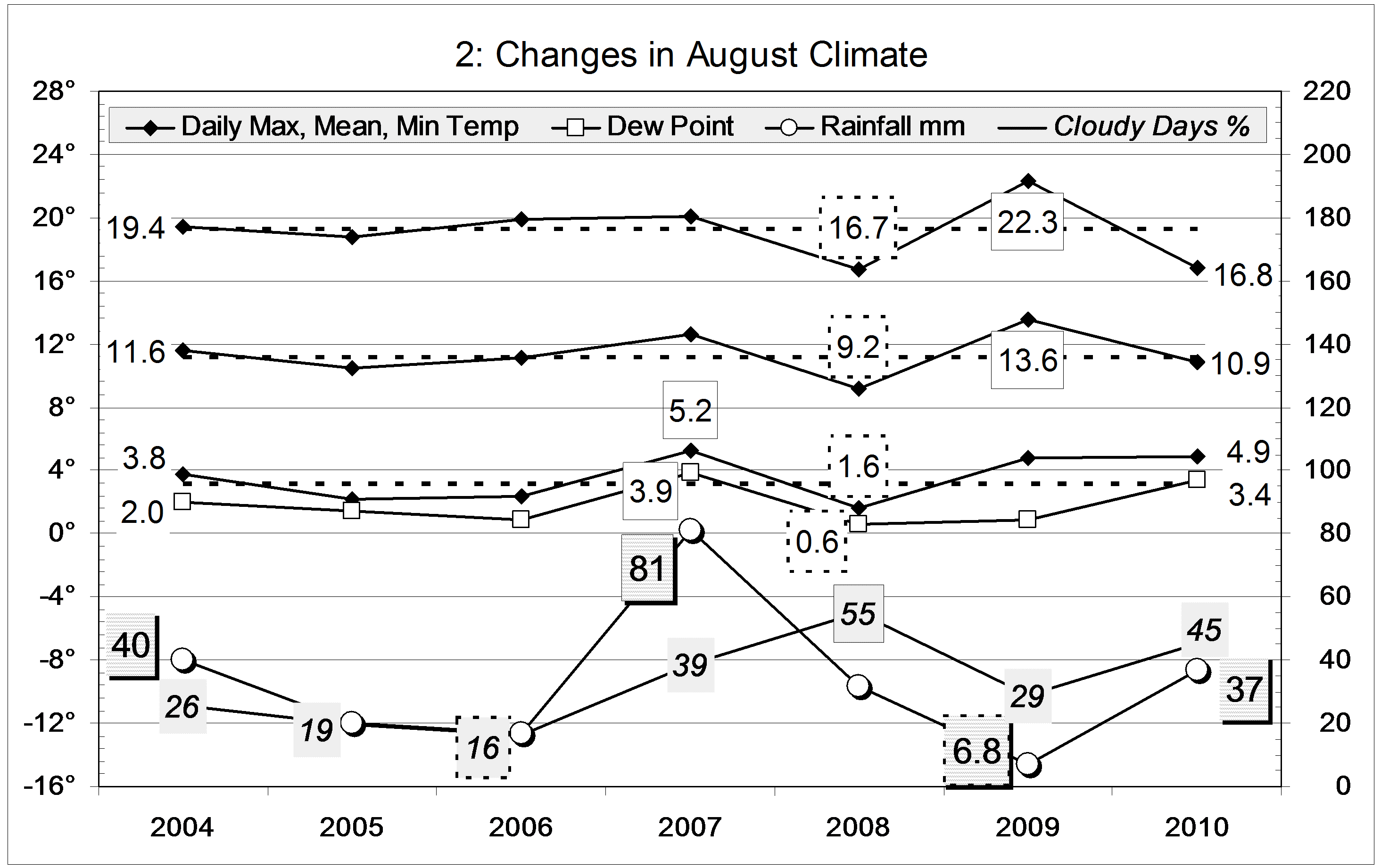
August had no extremes. Only four days exceeded 20° (usually thirteen days), and only ten nights were frosty (usually fifteen). The subsoil temperature failed to rise during the month, ending at 13.5°, which is 1.0° cooler than normal.

Rain fell on 13 days, an August record for the decade, but the highest reading was only 10 mm.

Comparing August monthsClimate August 2010 Manilla

The mean daily maximum temperature (26.5°) was the lowest for November on this 12-year record. The mean daily temperature range (12.4°) was (with November 2008) a record low value.

Mean subsoil temperature (20.4°) was the lowest since November 1999. The month ended with subsoil temperature (then 22.2°) trailing only 10 days later than its usual date. It had begun the month 22 days late.
There were more cloudy mornings (53%) than in any November on this record.
The rainfall of 105.4 mm is in the 84th percentile for November, far above the long-term average of 67 mm. Totals for groups of months up to 15 months are now all above the median, as is the thirty-year total.


Data. Rainfall data is from Manilla Post Office, courtesy of Phil Pinch. Temperatures, including subsoil at 750 mm, and other data are from 3 Monash Street, Manilla.