June 2011 rather cool and dry

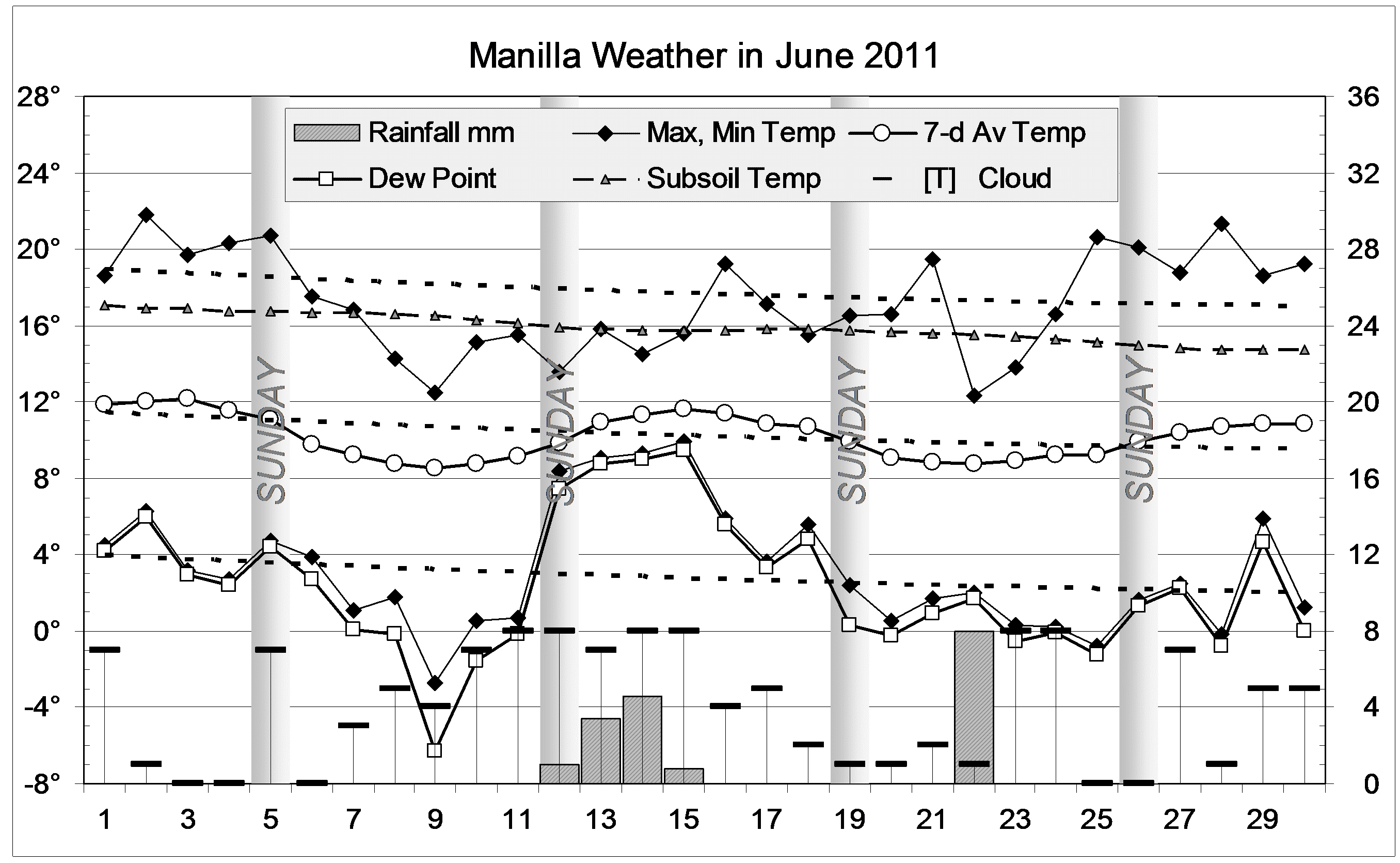
The daily weather logWeather log June 2011.
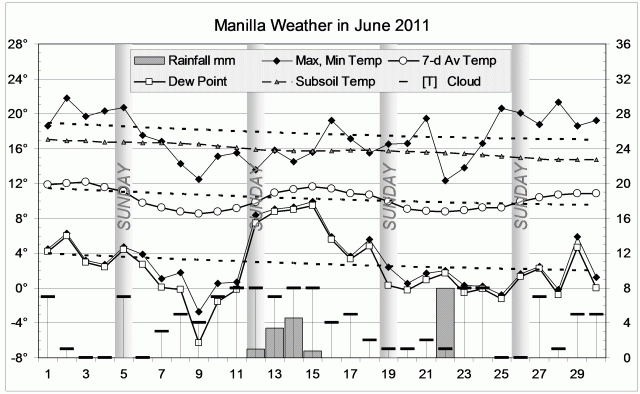
June began and ended with warm sunny days. The second week was cold: the 9th had a maximum of only 12° after a frosty night of -2.7°. Days from the 12th to the 15th were not much warmer, made miserable by overcast and rain, but the nights were warm. The 8/8 cloud recorded on the morning of the 24th was fog, which cleared to a blue sky at 10:45.
The highest rainfall reading was only 8 mm, recorded on the 22nd. Five rain days totalled 17.8 mm.

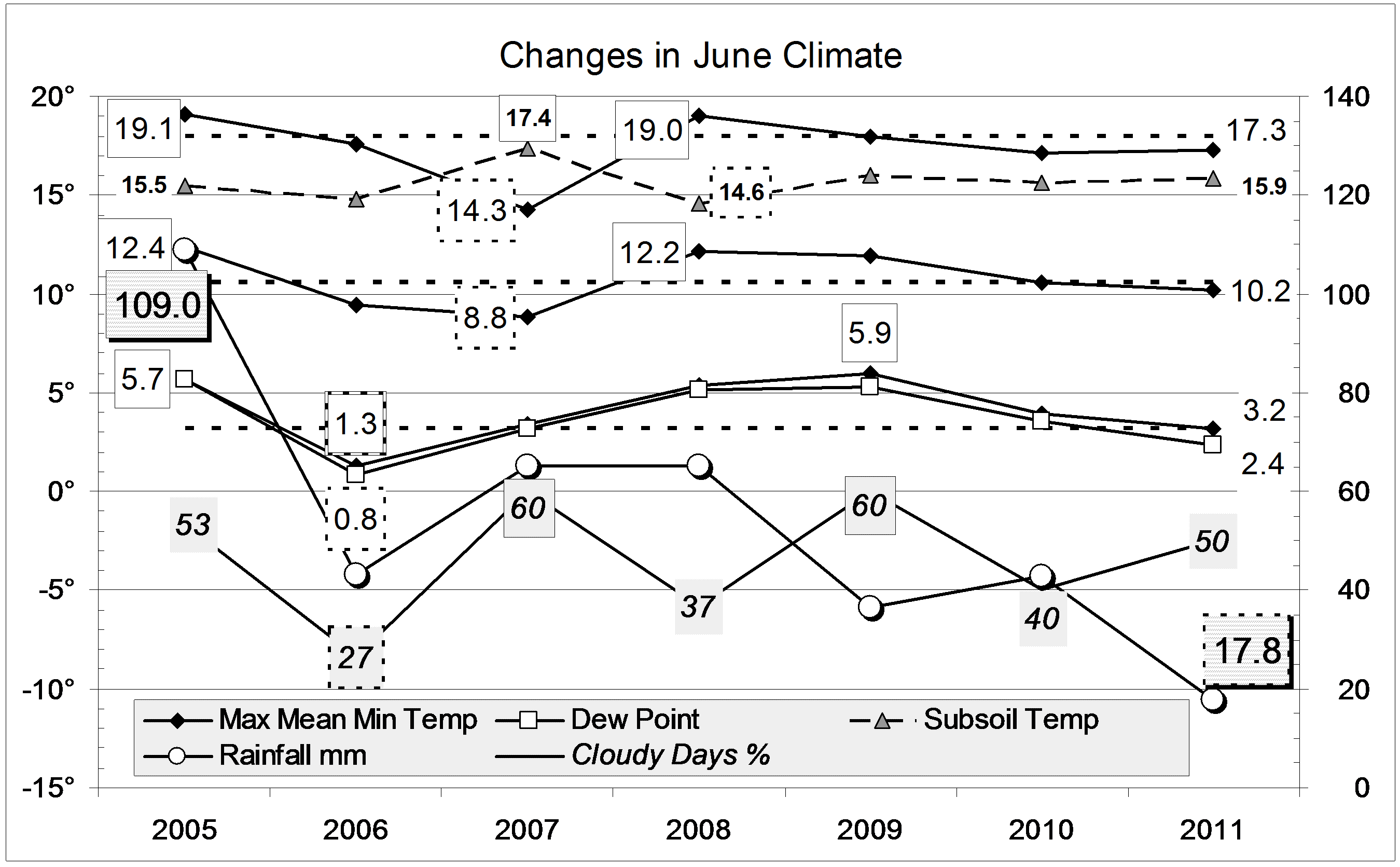
 Comparing June monthsClimate June 2011.
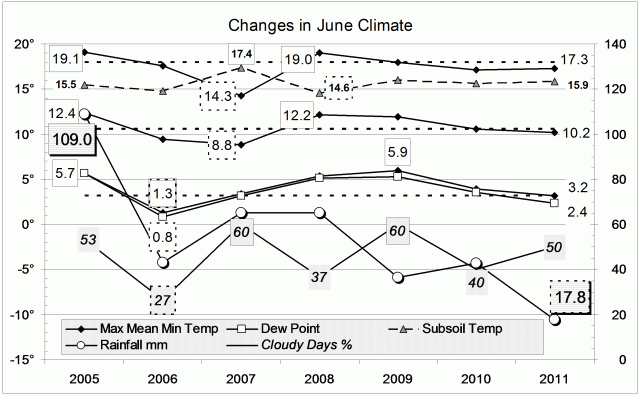
Of the mean temperature readings, only the mean daily maximum was a bit lower than usual. Days were not as cold as in June 2007. This time, there were 14 frosts, which is near the decade average.
The rainfall of 17.8 mm is rather low: on the 20th percentile for June. (The long-term June average is 44.3 mm.) June rainfalls have fallen rather steadily since June 2005, the sixth wettest on record at 109 mm. Nearly all rainfall totals for groups of months (up to 360 months) continue to be near normal. Only those for three months and four months are below the 25th percentile.


Data. Rainfall data is from Manilla Post Office, courtesy of Phil Pinch. Temperatures, including subsoil at 750 mm, and other data are from 3 Monash Street, Manilla.
 

Autumn 2011 Normal but Cloudy


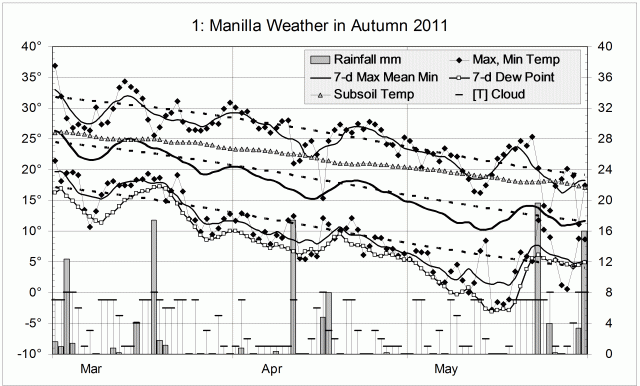
Weather log autumn 2011Normal autumn weather was broken by an almost rainless period from mid-April to late May. Temperatures fell very low, particularly at night. The minimum of minus 2.8 degrees on 15/5/11 was a record for autumn. The coldest nights were exceptionally dry: 17/5/11 had the lowest Dew Point in thirteen years, -9.3°. Even during the extreme drought of July 2002, with four Dew Point readings below -6°, the air did not get nearly so dry.
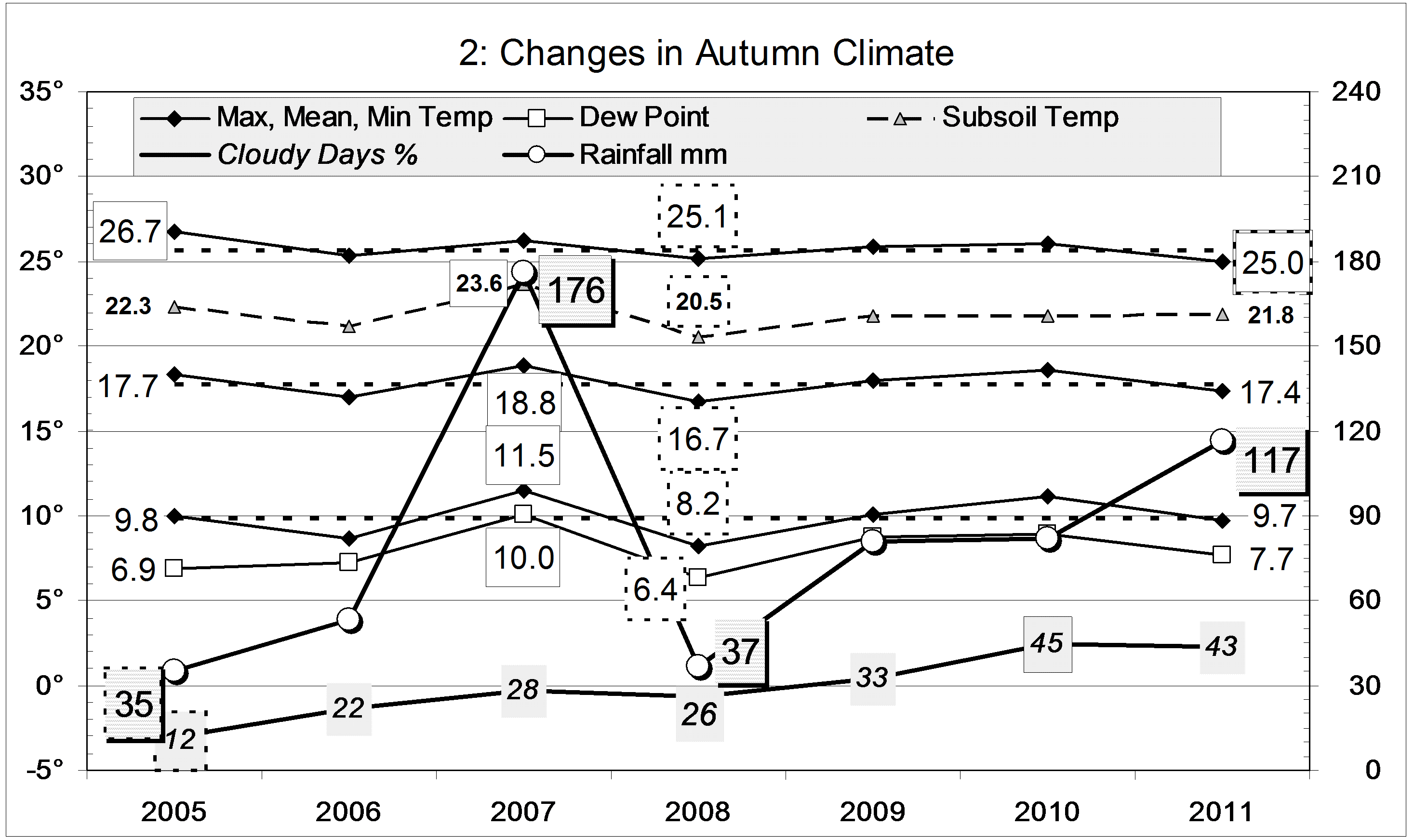
On the average (as shown below) temperatures and the Dew Point were near normal, except that days were rather cool, as in autumn 2008. On average, that autumn, however, was much drier, with cold nights. Autumn 2007 had been very warm and wet.
This time, the percentage of mornings with more than 4/8 cloud was 43%. That almost matches last autumn’s 45% and is far above those of autumns in the previous decade, which averaged just 25%.
Rain fell on 21 days, an unusually large number. The total rainfall of 116.8 mm is on the 52nd percentile for autumn. It is 16 mm below the autumn average (133 mm).Climate autumn 2011

Data. Rainfall data is from Manilla Post Office, courtesy of Phil Pinch. Temperatures, including subsoil at 750 mm, and other data are from 3 Monash Street, Manilla.

May 2011 cloudy, rainy, but not humid

The daily weather logWeather log May 2011.

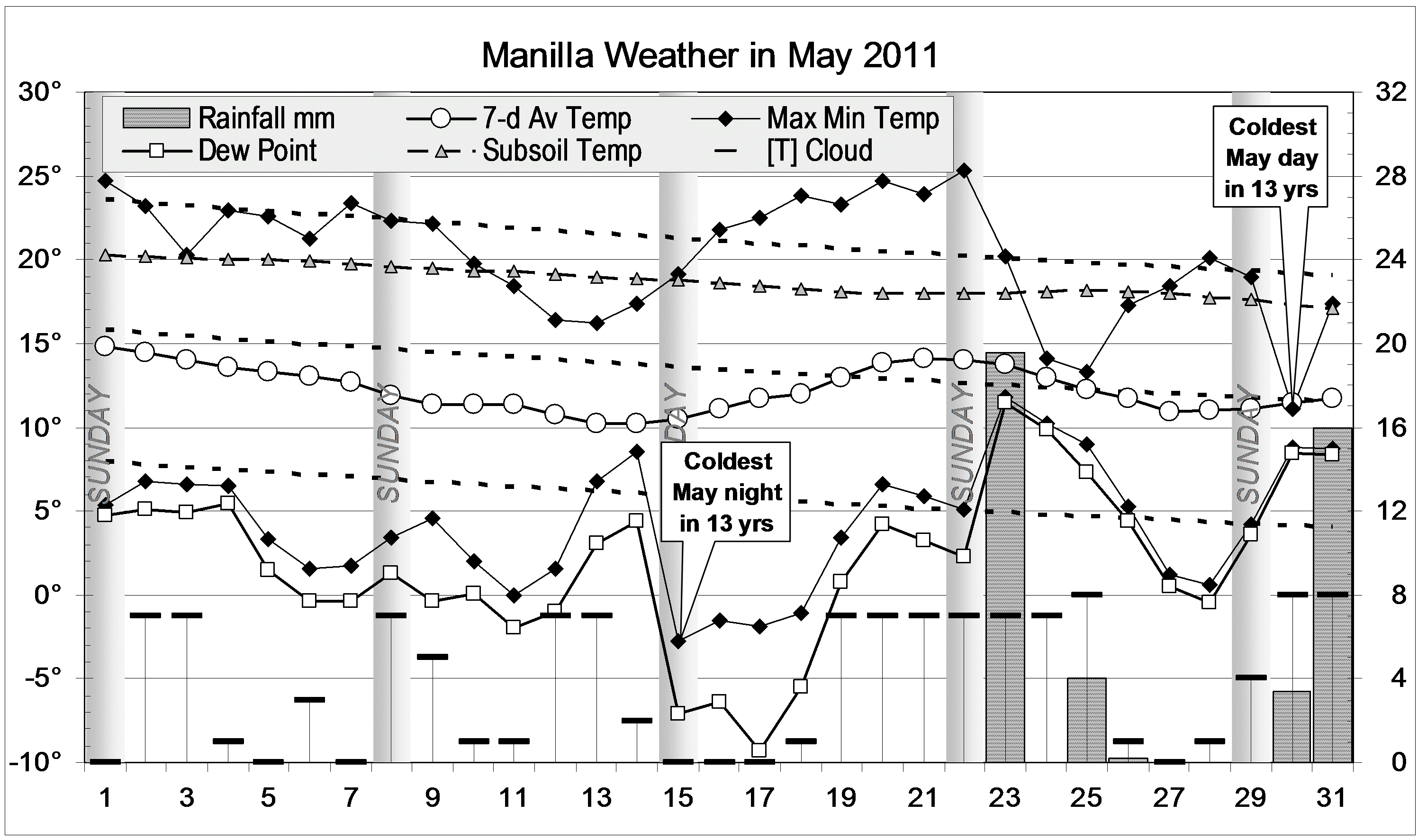
May had five rain days (usually only three) but they came very late. The highest rainfall reading, 19.6 mm on the 23rd, ended a 35-day dry spell. Before the rain, the air had become extremely dry. The morning Dew Point on the 17th was -9.3° and the daily minimum temperature on the 15th -2.8°: both were 13-year record low values for May. The daily temperature range reached 24.9° on the 18th.
With the rain came cloudy, cold days. The 30th, with a maximum of only 11.1°, was the coldest May day in this record. It was nearly two degrees below the previous coldest: 12.9° on 29/5/00.

 Comparing May monthsClimate May 2011.

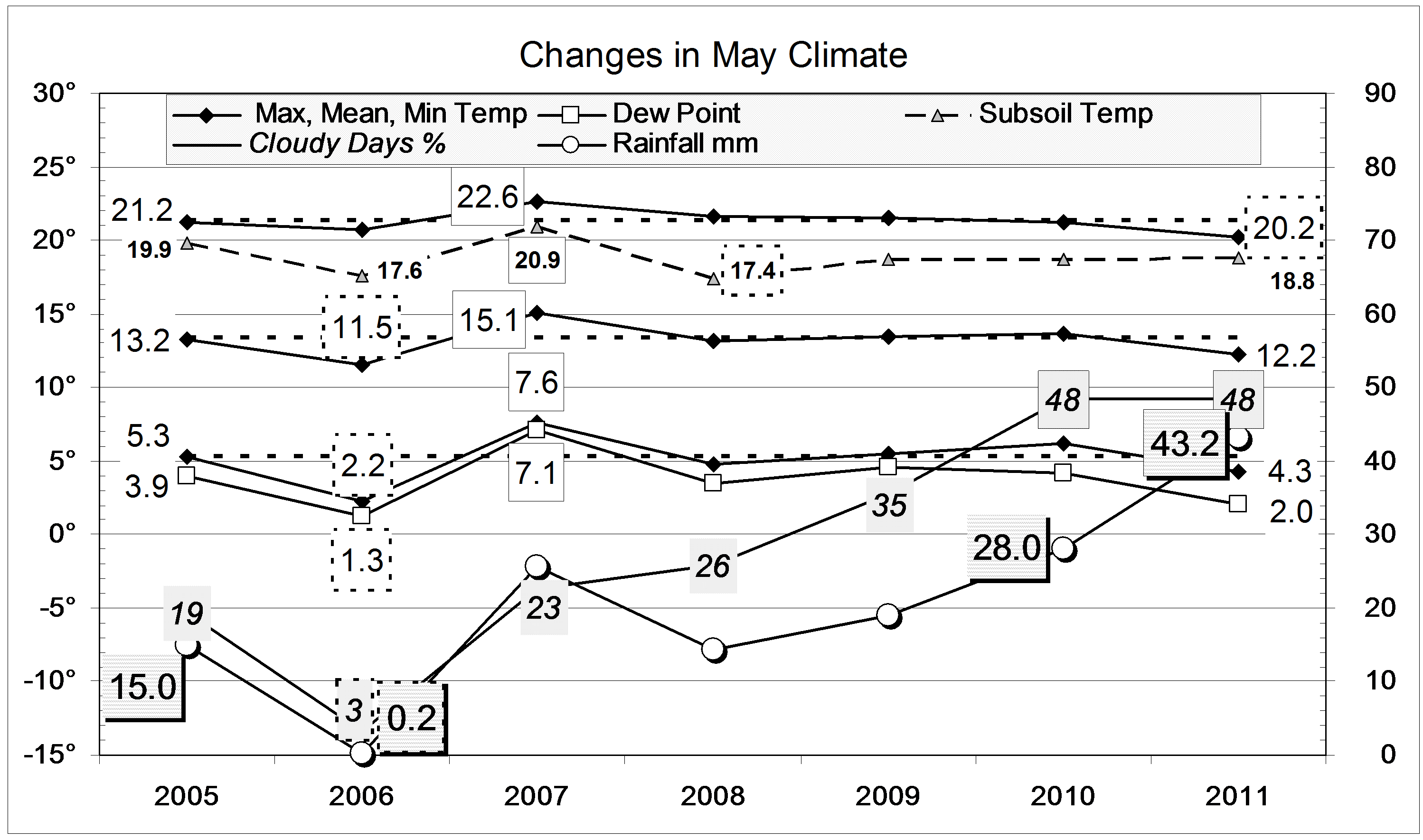
Mean temperatures were a little below average. There were 11 frosts, compared with the usual six.
After sunny April, May was back to the extreme cloudiness of the last three years. The air was not humid at all, however. The mean Dew Point was only slightly higher than in the droughty May of 2006.
The rainfall of 43.2 mm is on the 64th percentile for May, and just above the long-term May average (39.3 mm). May rainfalls have been low (or very low) for a number of years: this was the wettest May since 1998 (74 mm). Rainfall totals for groups of months (up to 360 months) continue to be near normal.


Data. Rainfall data is from Manilla Post Office, courtesy of Phil Pinch. Temperatures, including subsoil at 750 mm, and other data are from 3 Monash Street, Manilla.


Sunny April 2011

The daily weather logWeather log April 2011.

April weather cooled as usual, except that the second week was rather cooler, by day and by night. There were no frosts.
Most days had little cloud. There were six rain days (usually four), with the highest reading 17.4 mm on the 11th.

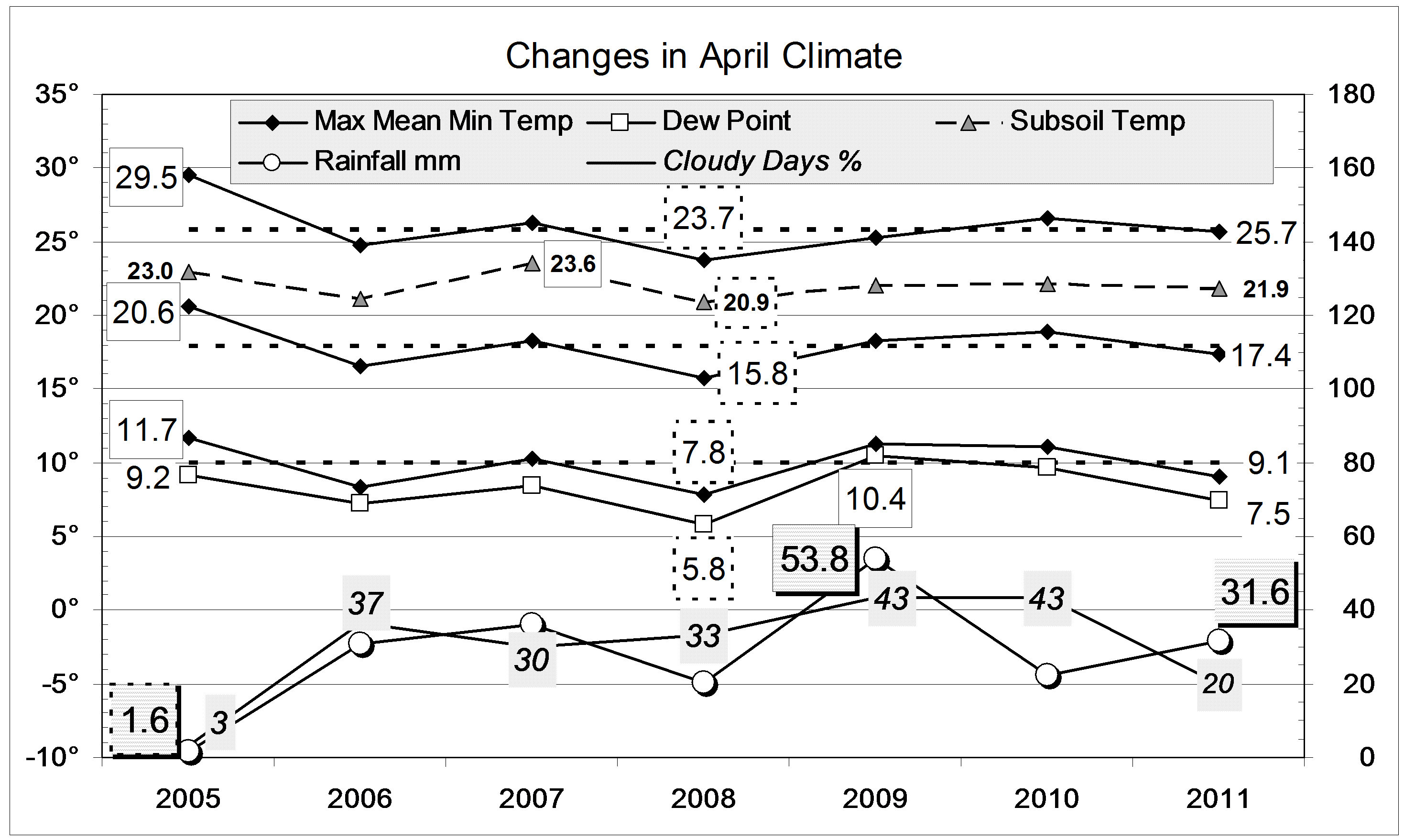
 Comparing April monthsClimate April 2011.

Mean temperatures were close to average. It was a very sunny month, with only 20% cloudy mornings (>4/8 cloud). April 2005 had been even sunnier, with only one cloudy morning.

The rainfall of 31.6 mm is on the 50th percentile for April: it is on the median – half of all Aprils have been wetter and half have been drier – but below the long-term average (39.3 mm). Rainfall totals for 5, 6, 9, and 12 months remain very high: above the 70th percentile.


Data. Rainfall data is from Manilla Post Office, courtesy of Phil Pinch. Temperatures, including subsoil at 750 mm, and other data are from 3 Monash Street, Manilla.


March 2011 still cloudy

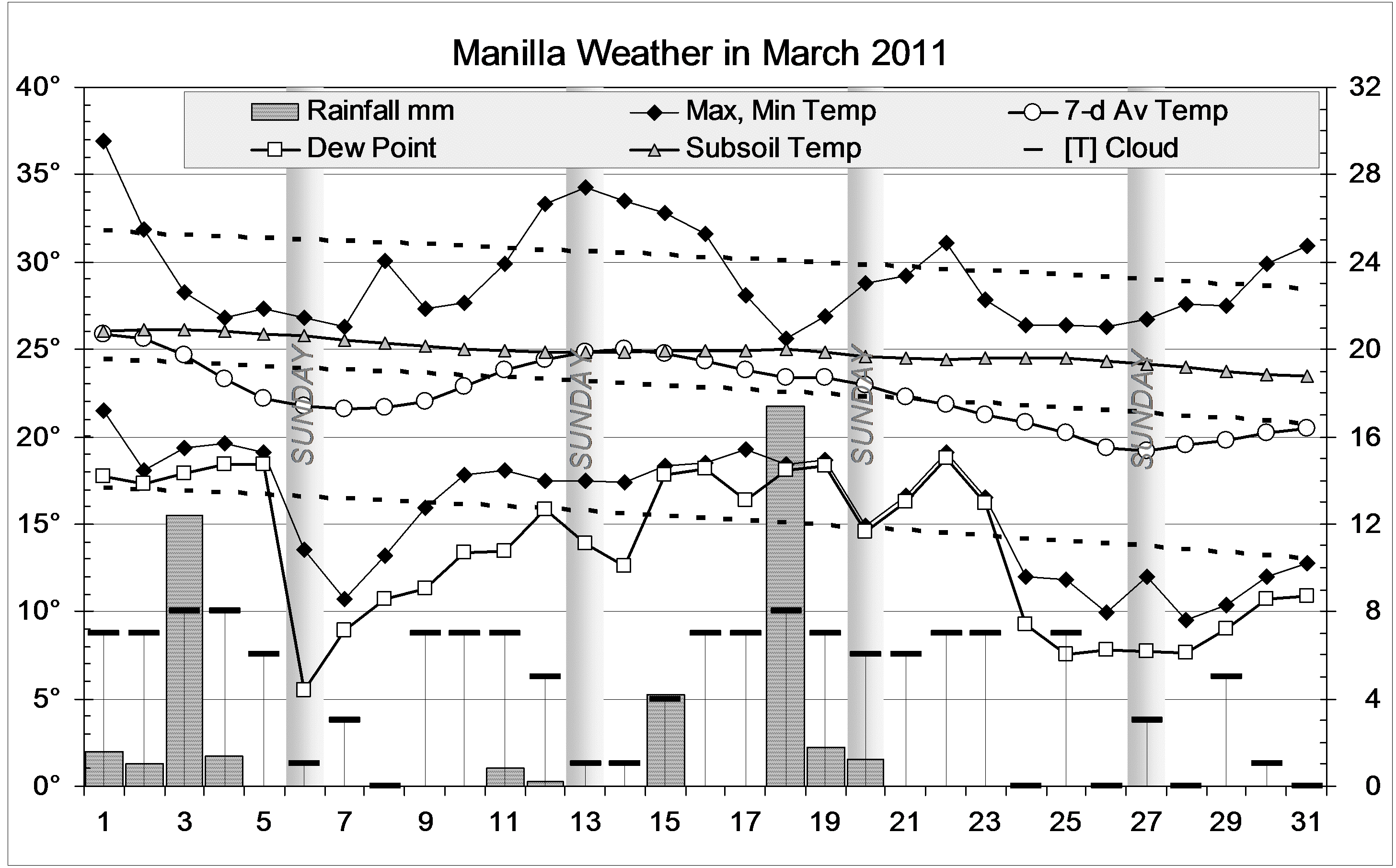
The daily weather logWeather log March 2011.

There were two warm spells and two cool spells in March, with no extreme temperatures.
Many mornings were very cloudy: fourteen had 7/8 or 8/8 cloud. In twelve years only six months have had so many. (Last December had sixteen.)
The highest rainfall reading was 17.4 mm on the 18th. In ten rain-days (twice the usual number) the total was 42.0 mm. No rain fell after the 20th.

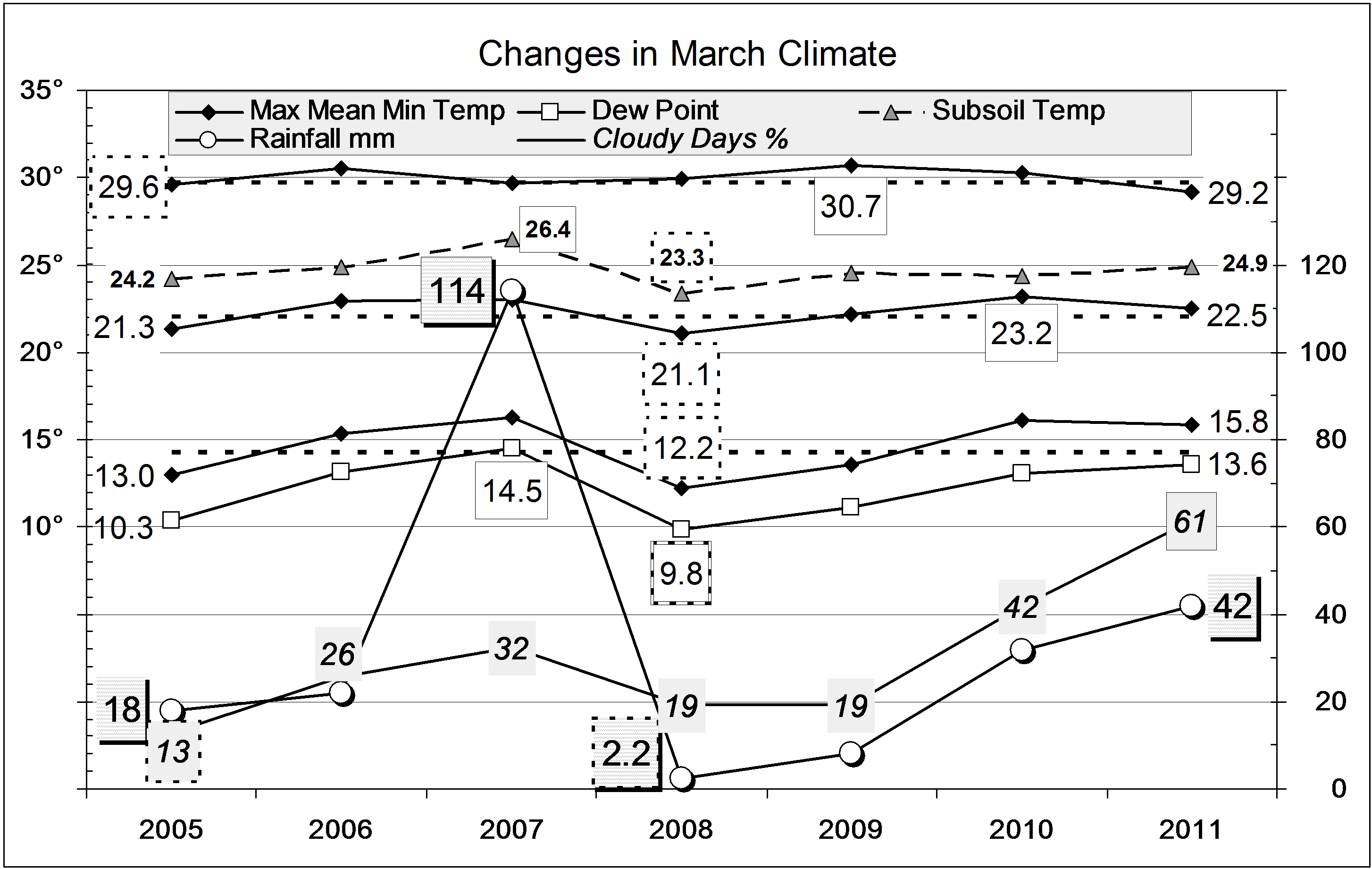
 Comparing March monthsClimate March 2011.

The mean maximum temperature was a little low and the mean minimum temperature high, making the daily temperature range nearly two degrees narrower than average. Related to this, cloudy mornings (>4/8 cloud) reached a record 61%, equal with June 2010 .
The rainfall of 42 mm is in the 54th percentile for March. While below the long-term average (53 mm), it is far above the most common March total of 11 mm. Rainfall totals for groups of months remain high: above the 70th percentile for all periods up to 15 months.


Data. Rainfall data is from Manilla Post Office, courtesy of Phil Pinch. Temperatures, including subsoil at 750 mm, and other data are from 3 Monash Street, Manilla.