
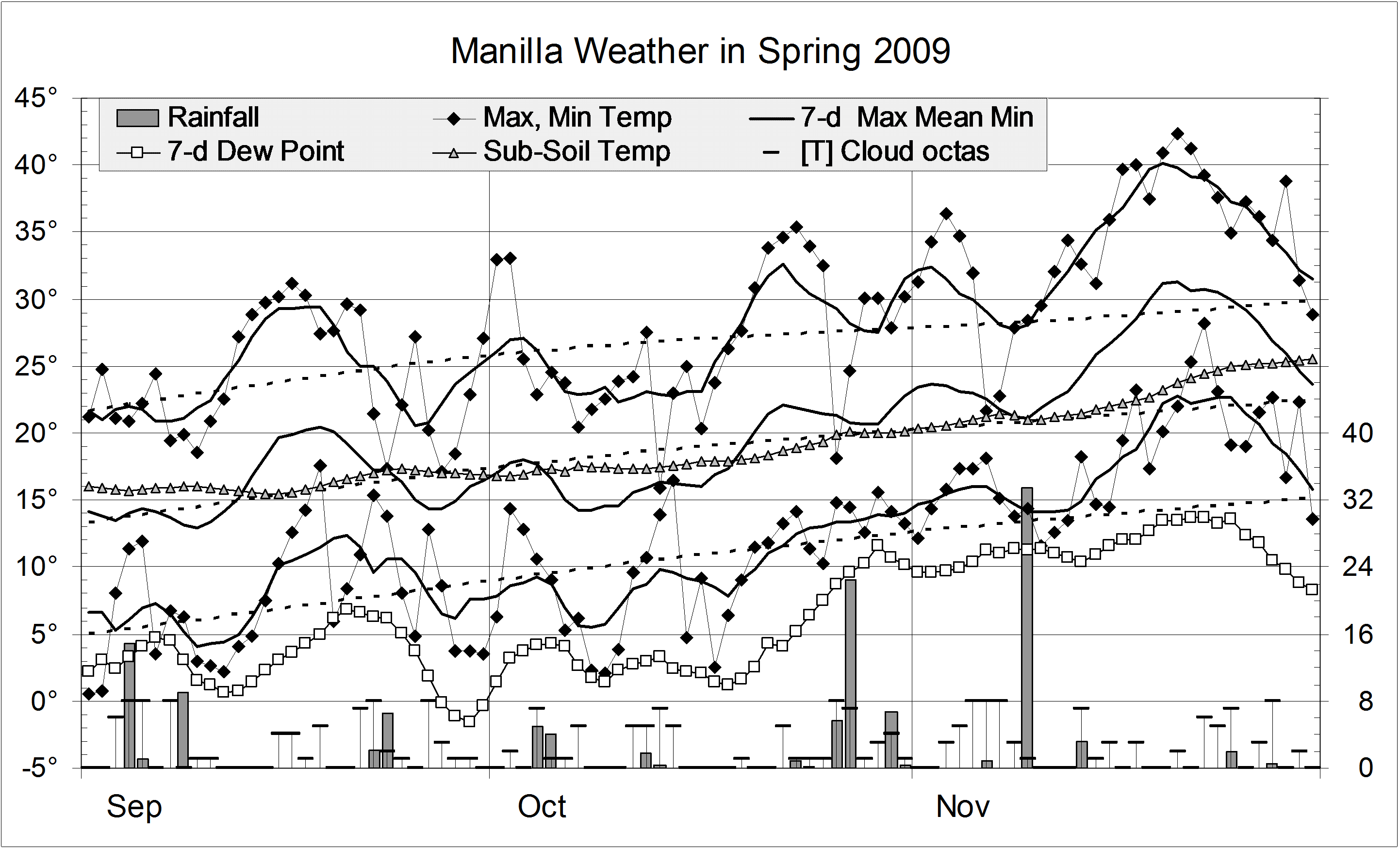
 Through most of this spring season, days were hot and sunny, and the humidity and dew point were very low. This changed for the final three weeks, when two-thirds of the season’s rain fell, and the weather was cool and humid.
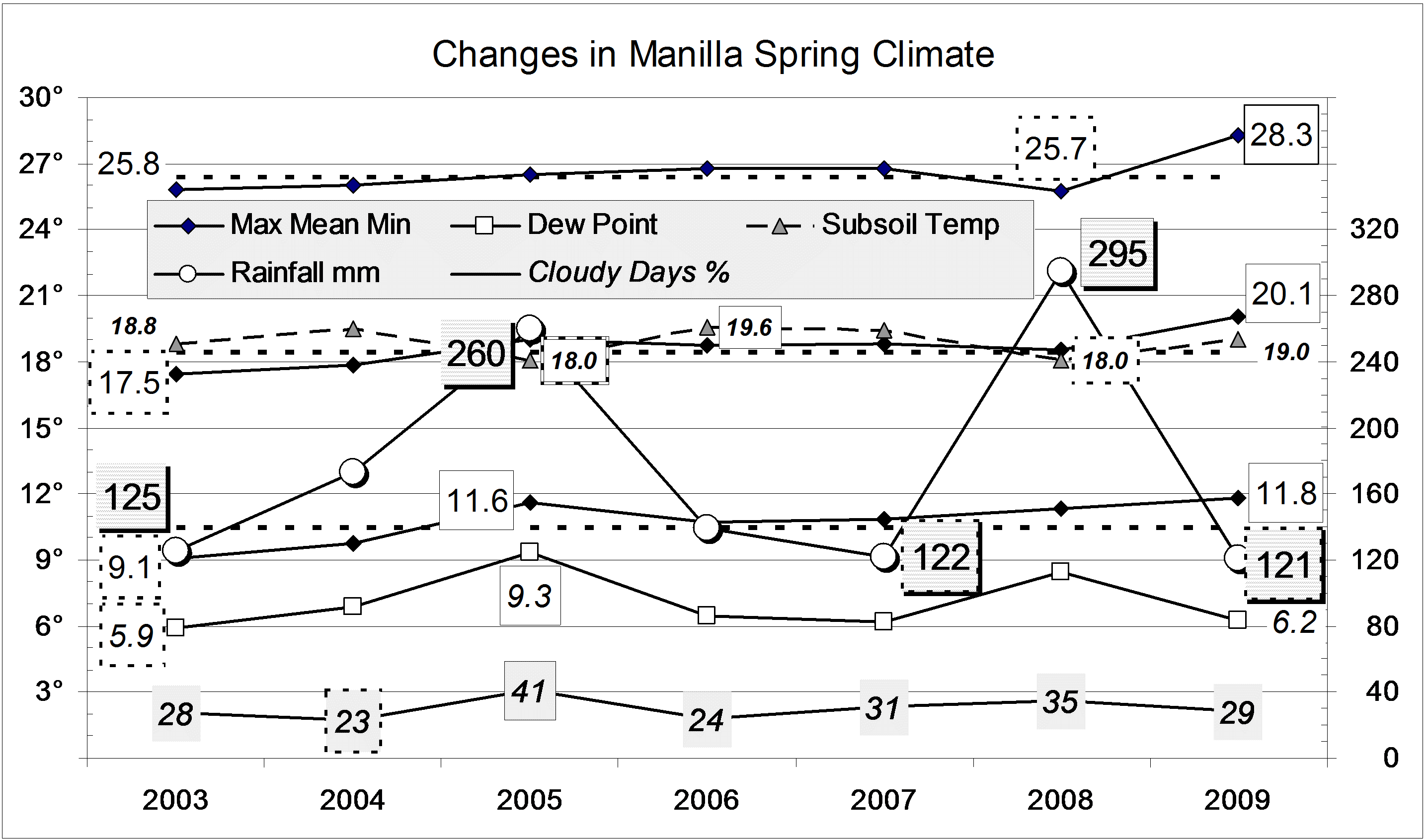
Along with 2002 and 2009, this was one of three hot springs this century. However, this spring had cooler nights. The springs of 2002, 2012 and 2013 were the driest, counting humidity and cloud as well as rainfall. This spring had the lowest humidity by far, and last spring the second lowest. Low humidity means crops and animals (and people) need more water.
The total rainfall (130 mm) was in the 36th percentile for springs. Rain fell on only 13 days: more than in spring of 2002 (9 days), but fewer than in 2003 (15) or 2012 (16).
Data. Rainfall data is from Manilla Post Office, courtesy of Phil Pinch. Temperatures, including subsoil at 750 mm, and other data are from 3 Monash Street, Manilla.
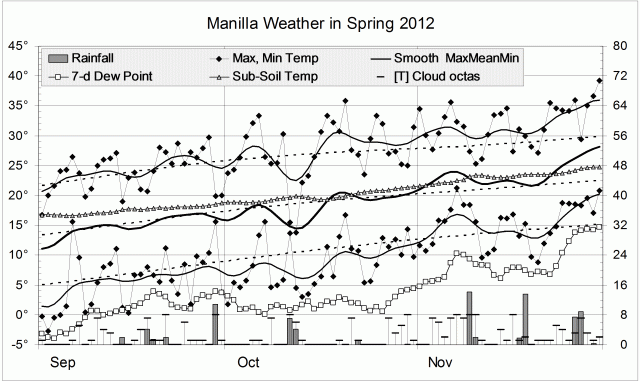 Temperatures rose as normal this spring, apart from a quick rise in the last week and a cold spell in the second week of October. In the cold spell, one day failed to reach 14°! Rain fell nearly every week, but never more than 15 mm in a day.
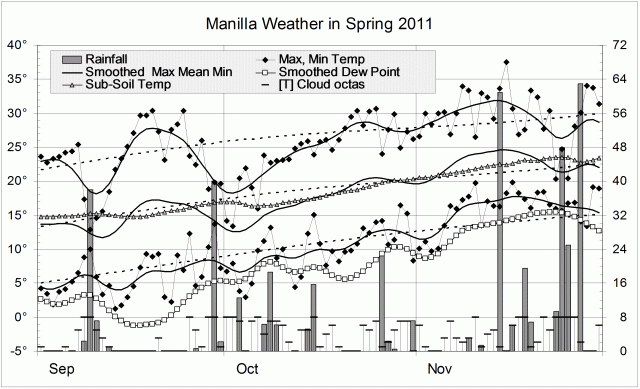 This spring’s rainfall of 431.7 mm far exceeded that of any other spring in the record from 1883. Winter had been very dry, with only 55 mm. While there was a lot of rain in September (91.4 mm) and October (97.4 mm), much more fell in November (242.9 mm), mainly in the second half.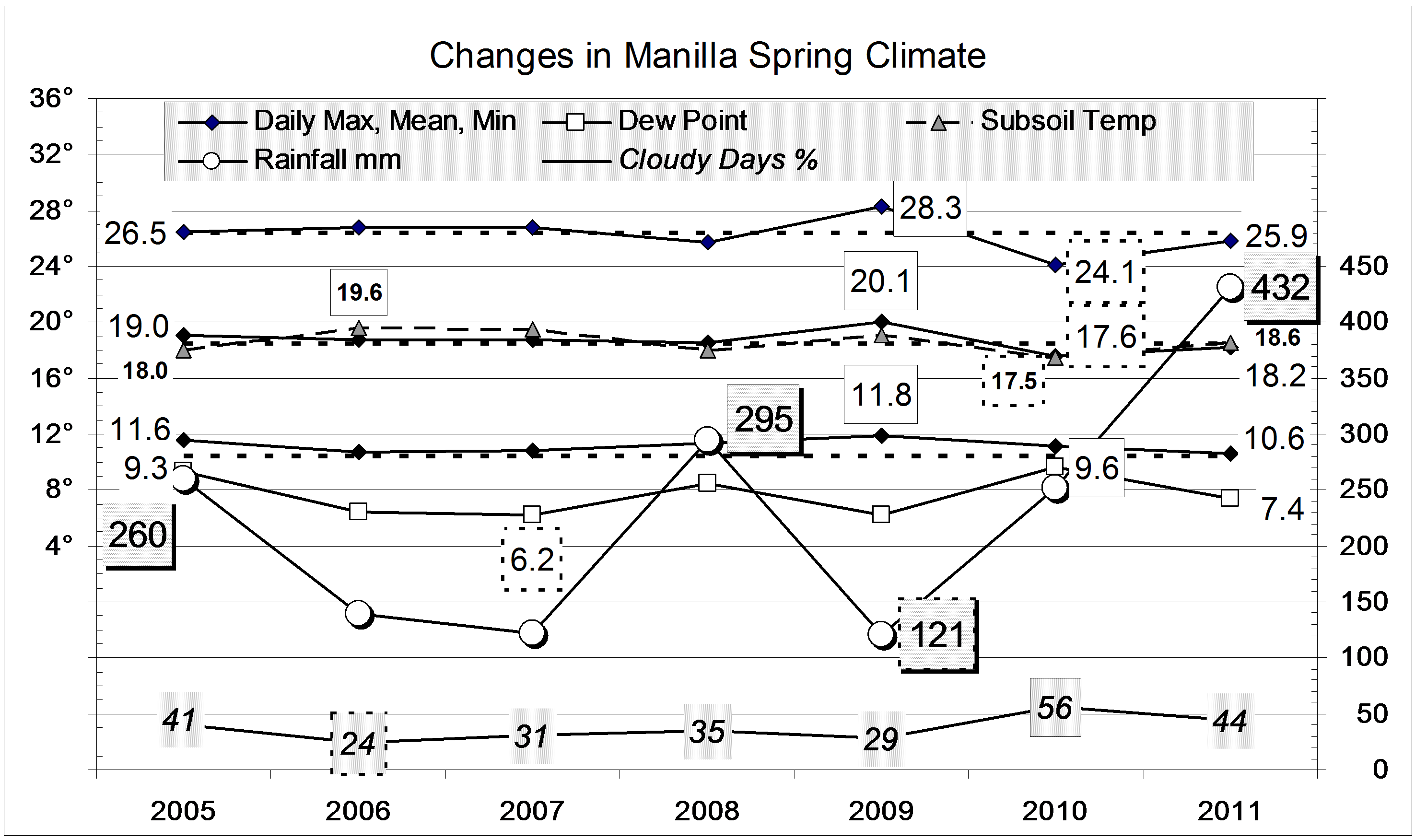

 climate by surly