2013-14: Third Driest Summer

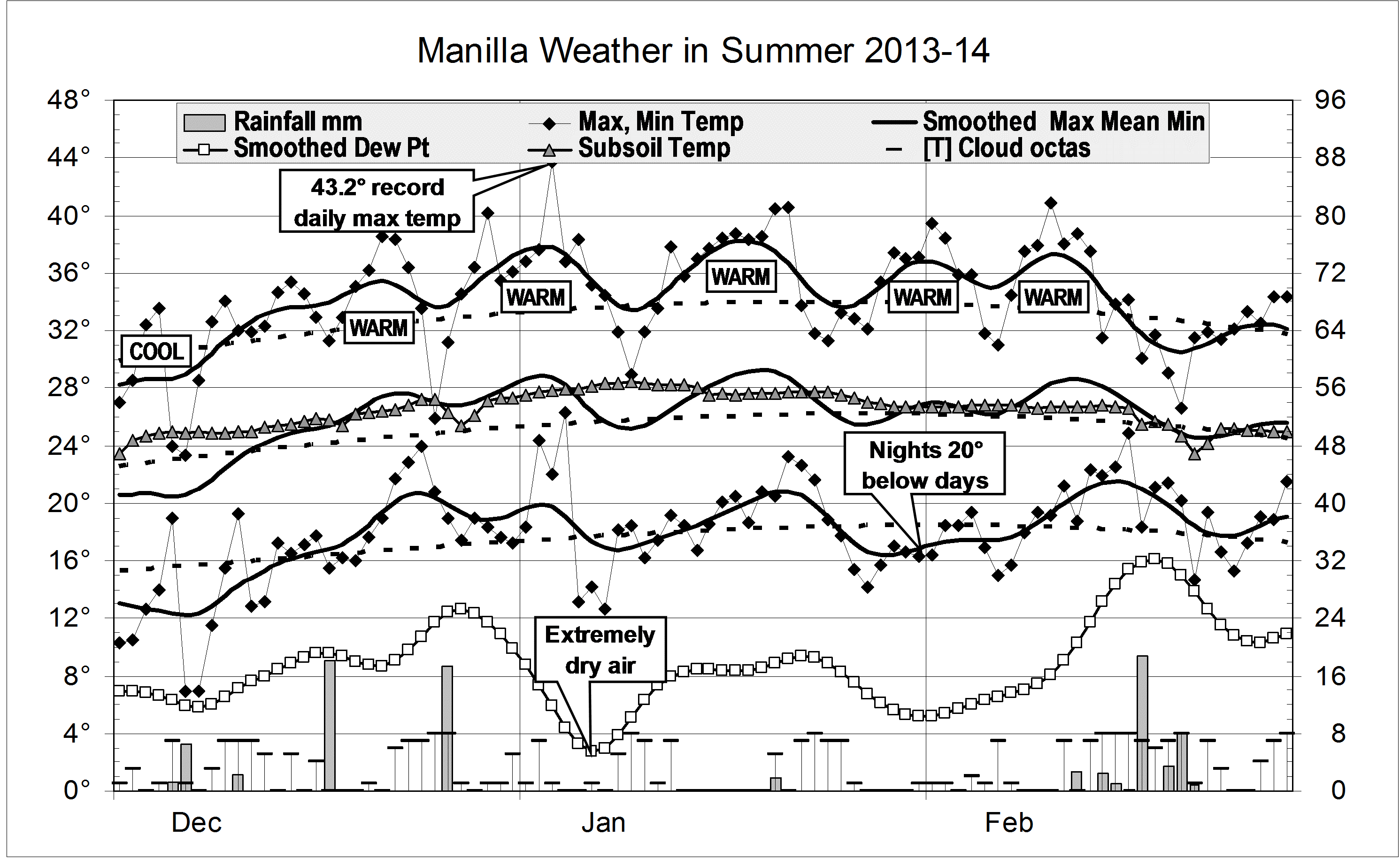
Weather log summer 2013-14.

After a cool start, this summer had no more cool weather. There were five warm spells 3° to 4° warmer than normal. Days were particularly warm, with a new 21st century record high of 43.7° set on 3/1/14. During warm spells, nights were also warm, but often 17° cooler than the days. The air was phenomenally dry in early January, with morning dew points (usually 14°) falling below zero three times. There were only 14 rain days (usually 21), and the heaviest fall of 18.8 mm was a 21st century record low for summer.


Taking average values, this summer had the highest daily maximum temperature this century: the value of 34.3° beats the 34.1° of 2005-6. However, the daily mean of 26.1° does not beat the 26.3° of 2005-6. By contrast, the summer of 2011-12 was the coldest, by day and by night. The total rainfall of just 84.8 mm makes this the third driest summer in the 131-year record, after 1929-30 (66 mm) and 1964-5 (70 mm). The summers of 1999-2000 and the two following were also very dry (125 mm, 158 mm, 137 mm) but this summer had not only less rain but also very much drier air and a wider daily range of temperature. Both the low dew point, 8.6° , and the wide daily temperature range, 16.4°, were record values. The earlier dry summers were less cloudy, however.Climate summer 2013-14.

Data. Rainfall data is from Manilla Post Office, courtesy of Phil Pinch. Temperatures, including subsoil at 750 mm, and other data are from 3 Monash Street, Manilla.

Spring 2013 hot and dry


Weather log spring 2013.Through most of this spring season, days were hot and sunny, and the humidity and dew point were very low. This changed for the final three weeks, when two-thirds of the season’s rain fell, and the weather was cool and humid.
Along with 2002 and 2009, this was one of three hot springs this century. However, this spring had cooler nights. The springs of 2002, 2012 and 2013 were the driest, counting humidity and cloud as well as rainfall. This spring had the lowest humidity by far, and last spring the second lowest. Low humidity means crops and animals (and people) need more water.
The total rainfall (130 mm) was in the 36th percentile for springs. Rain fell on only 13 days: more than in spring of 2002 (9 days), but fewer than in 2003 (15) or 2012 (16).Climate spring 2013

Data. Rainfall data is from Manilla Post Office, courtesy of Phil Pinch. Temperatures, including subsoil at 750 mm, and other data are from 3 Monash Street, Manilla.
Winter 2013 Warm

Weather log winter 2013

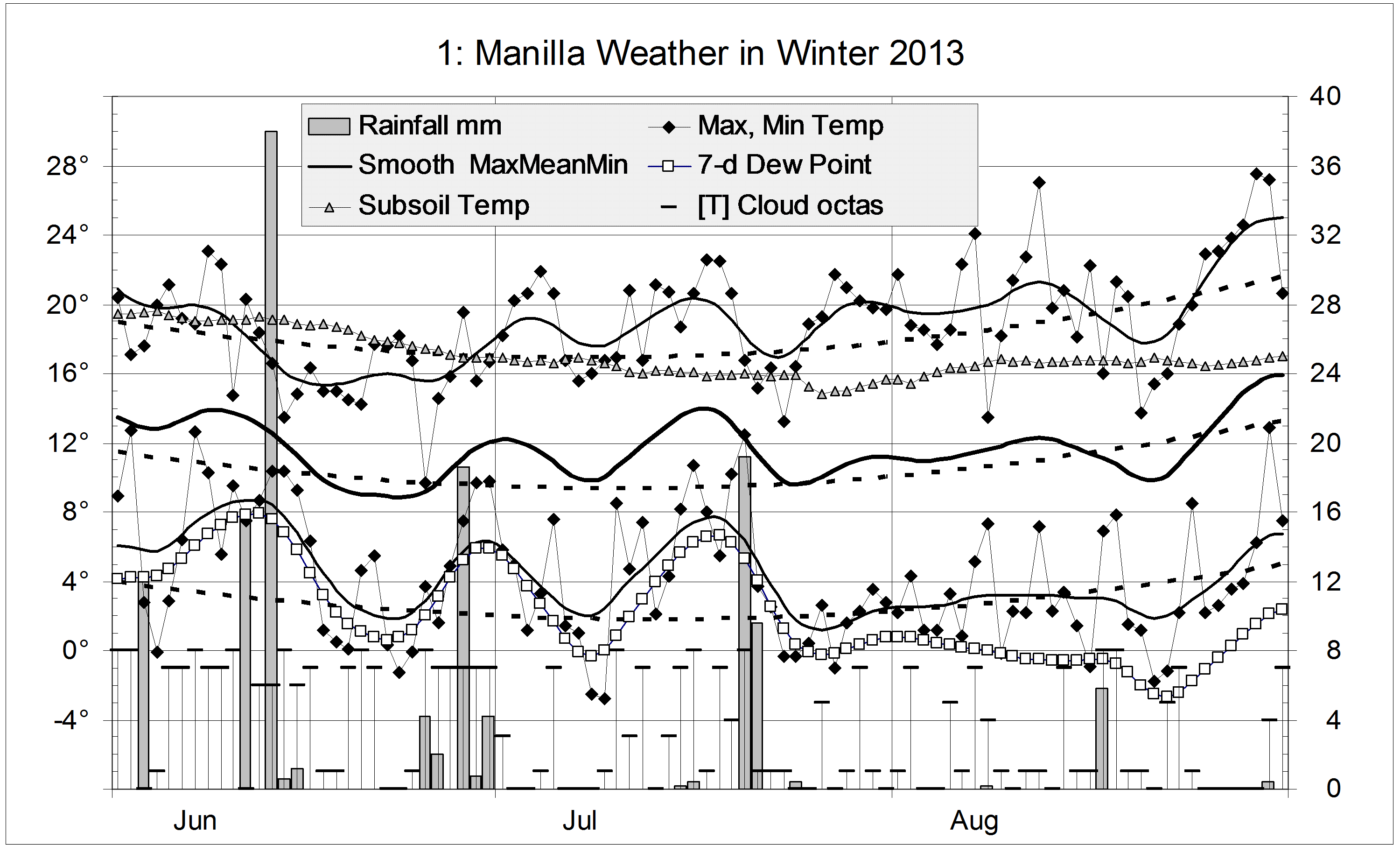
This winter, June was very cloudy and wet, July was very warm, and August was warm and dry. This pattern was common across northern NSW.
There were only 29 frosts, well below the winter average of 44, and fewer than in winter 2010 (32).
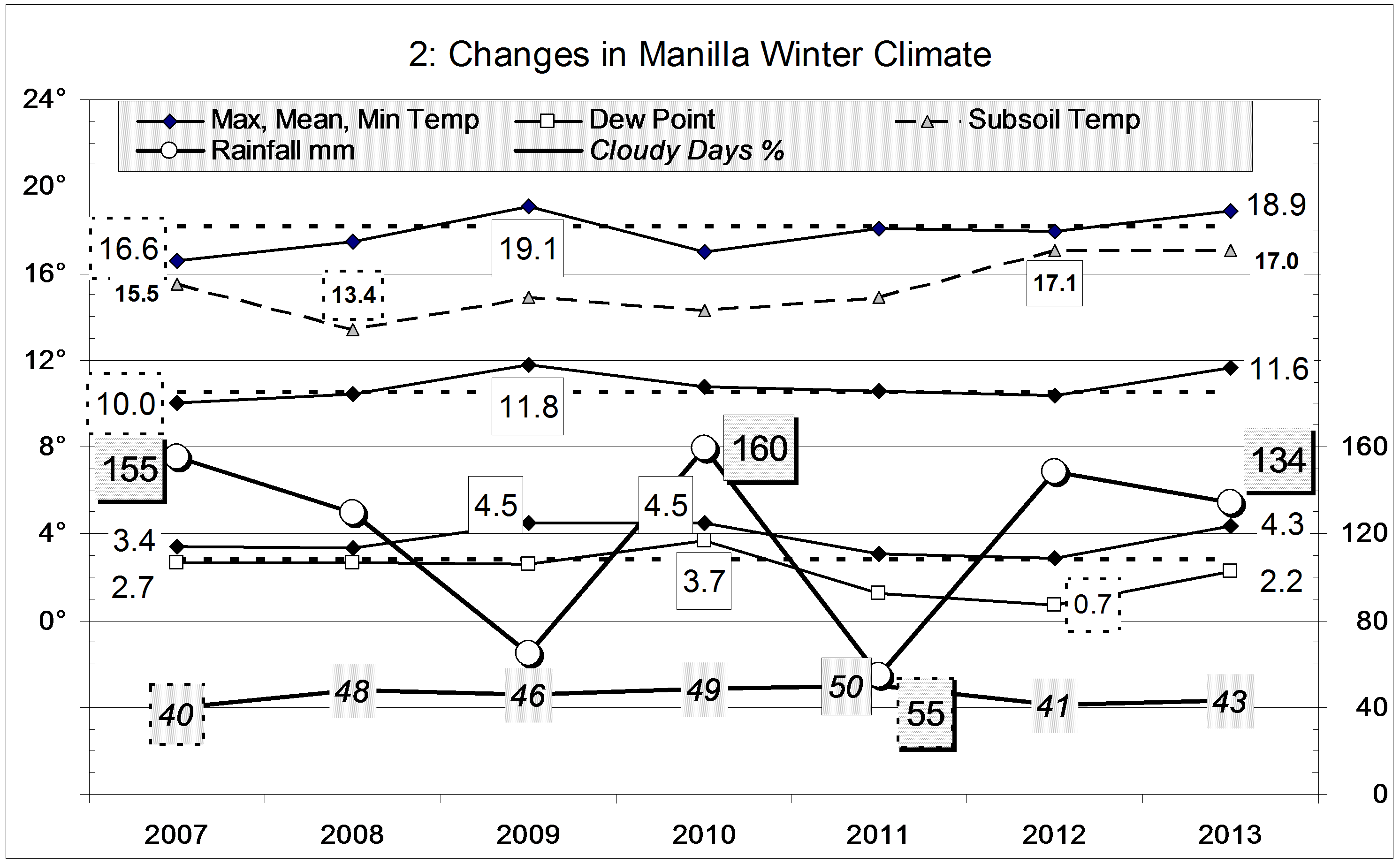
All winter average temperatures were above normal: daily max (18.9°), up by 0.8°; daily mean (11.6°), up by 1.2°; daily min (4.3°), up by 1.6°. In each case, winter of 2009 had been slightly warmer. As in last winter, the subsoil temperature was very high: 17.0°, which is 2.7 °above normal for winter in the decade from 1999. In that same decade, only 34% of winter mornings were cloudy; this winter’s value of 43% has become normal since.
The winter rainfall total of 134 mm is just above the average (125 mm) and in the 62nd percentile.Climate Winter 2013

Data. Rainfall data is from Manilla Post Office, courtesy of Phil Pinch. Temperatures, including subsoil at 750 mm, and other data are from 3 Monash Street, Manilla.
Autumn 2013 began wet

Weather log Autumn 2013Three quarters of the rain this autumn fell in the first two days: 31 mm and 45.4 mm. After that, the heaviest falls were 6.2 and 6.8 mm late in May. Days were cool with the rain, and warm in late March and late April. The warm days in late March came with warm nights, but the warm days in late April brought very wide daily temperature ranges instead.

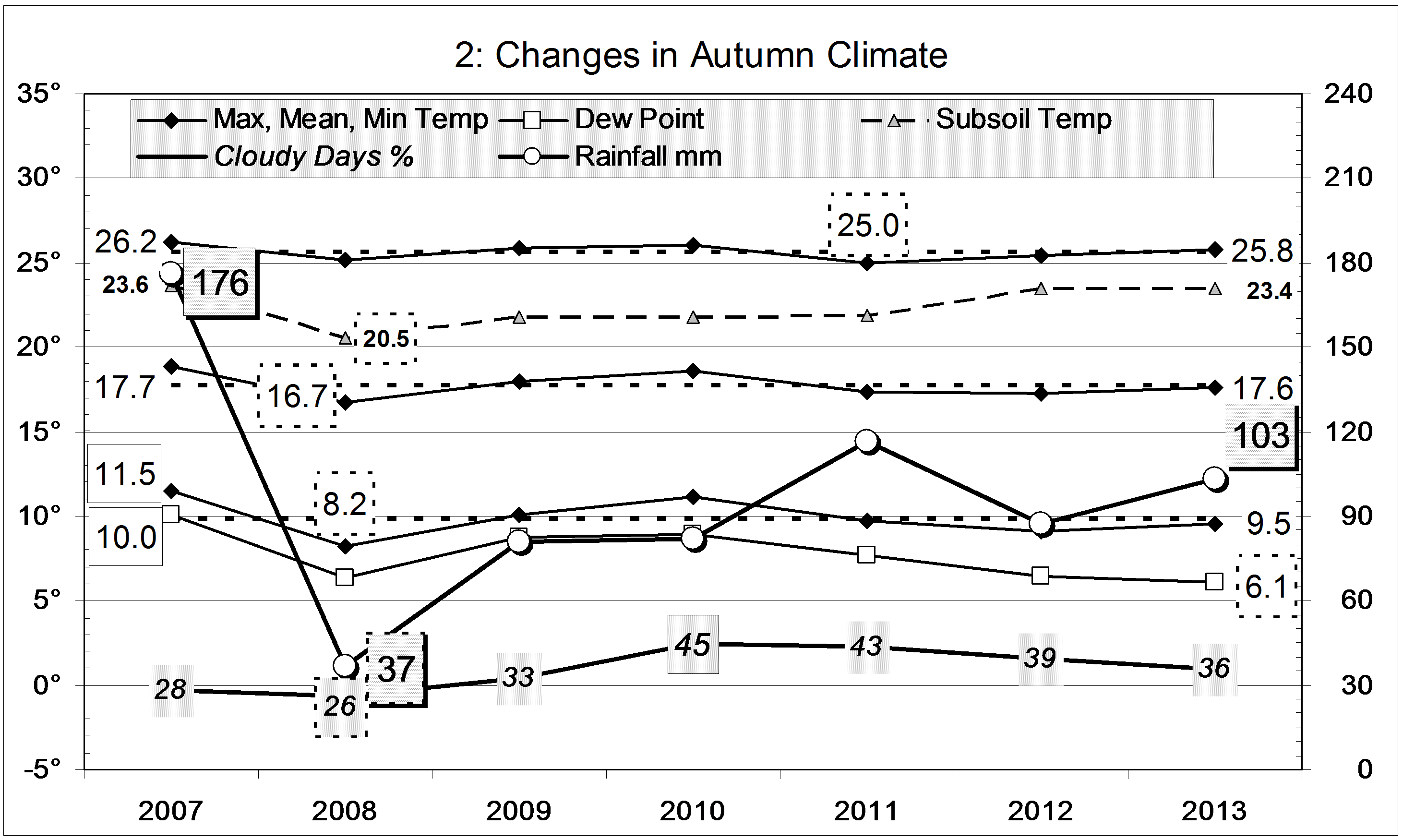
This autumn was like autumn last year. That is, it was near average in most respects, but with high subsoil temperature and plenty of cloud. Dew points were even lower, reaching a record low value of 6.1°.
Rain fell on 11 days (normal), totalling 103 mm. This is below the 125-year autumn average of 133 mm, and in the 46th percentile.Climate autumn 2013

Data. Rainfall data is from Manilla Post Office, courtesy of Phil Pinch. Temperatures, including subsoil at 750 mm, and other data are from 3 Monash Street, Manilla.

Summer 2012-13 hot in parts

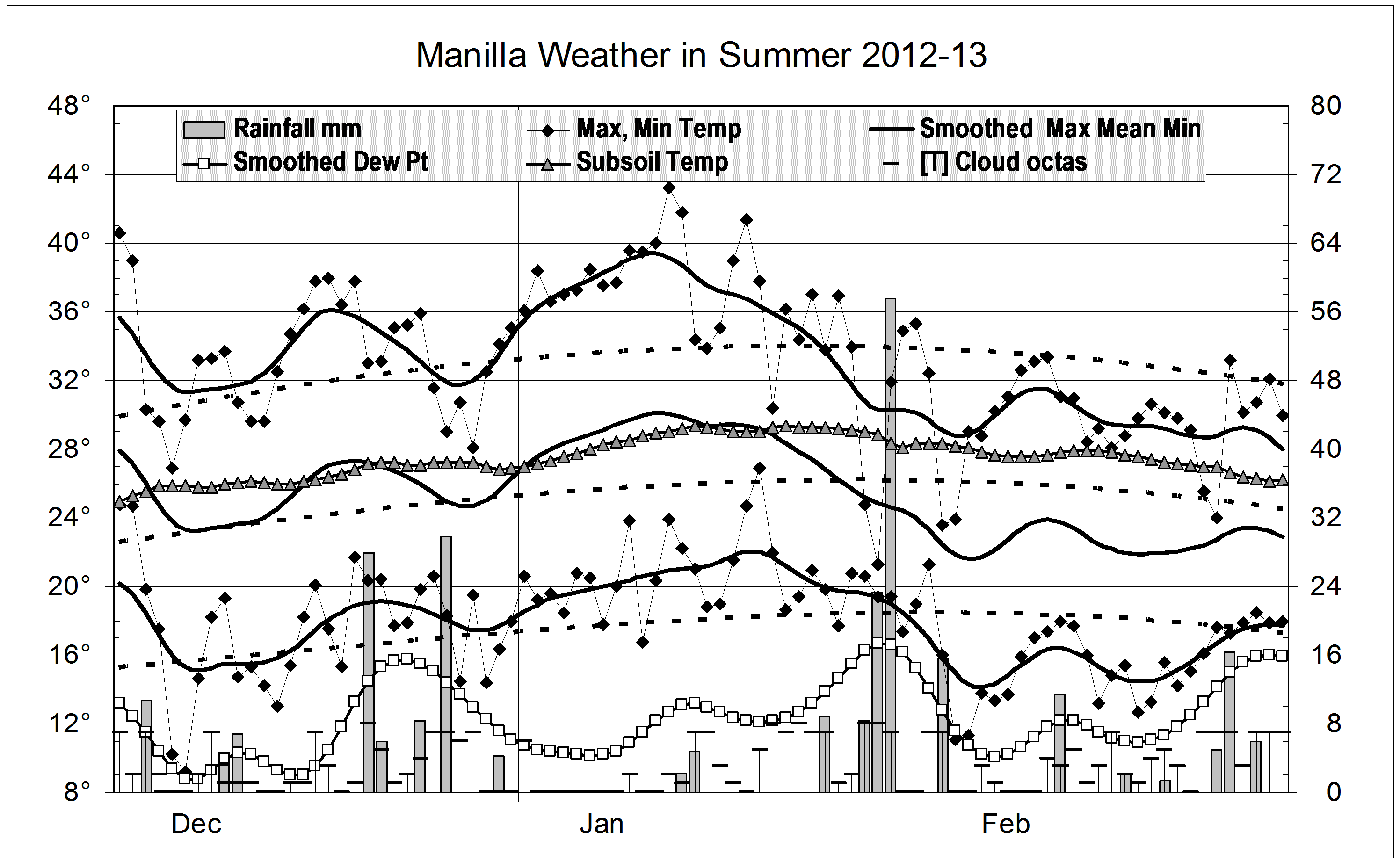
Weather log summer 2012-13Summer was marked by a heat wave in January, similar to that in November 2009. It was not quite so hot, except that the hottest day set a 21st century record of 43.2°. The season also began very hot, but there were other times that were very cool, especially in February.

Twelve days had exceptionally low humidity, below 10%, with a record low value of 4% on 11th January.
There were 22 rain days, which is normal.

In contrast to the very low temperatures last summer, this summer’s temperatures were normal. At 37% cloudy mornings, this summer was a bit cloudier than normal (31%). Morning dew points set a new summer record low of 12.2°, beating the record set last year.
The rainfall total of 260.6 mm beats the average of 228 mm. It is in the 65th percentile.Climate summer 2012-13.

Data. Rainfall data is from Manilla Post Office, courtesy of Phil Pinch. Temperatures, including subsoil at 750 mm, and other data are from 3 Monash Street, Manilla.