Autumn 2013 began wet

Weather log Autumn 2013Three quarters of the rain this autumn fell in the first two days: 31 mm and 45.4 mm. After that, the heaviest falls were 6.2 and 6.8 mm late in May. Days were cool with the rain, and warm in late March and late April. The warm days in late March came with warm nights, but the warm days in late April brought very wide daily temperature ranges instead.

This autumn was like autumn last year. That is, it was near average in most respects, but with high subsoil temperature and plenty of cloud. Dew points were even lower, reaching a record low value of 6.1°.
Rain fell on 11 days (normal), totalling 103 mm. This is below the 125-year autumn average of 133 mm, and in the 46th percentile.Climate autumn 2013
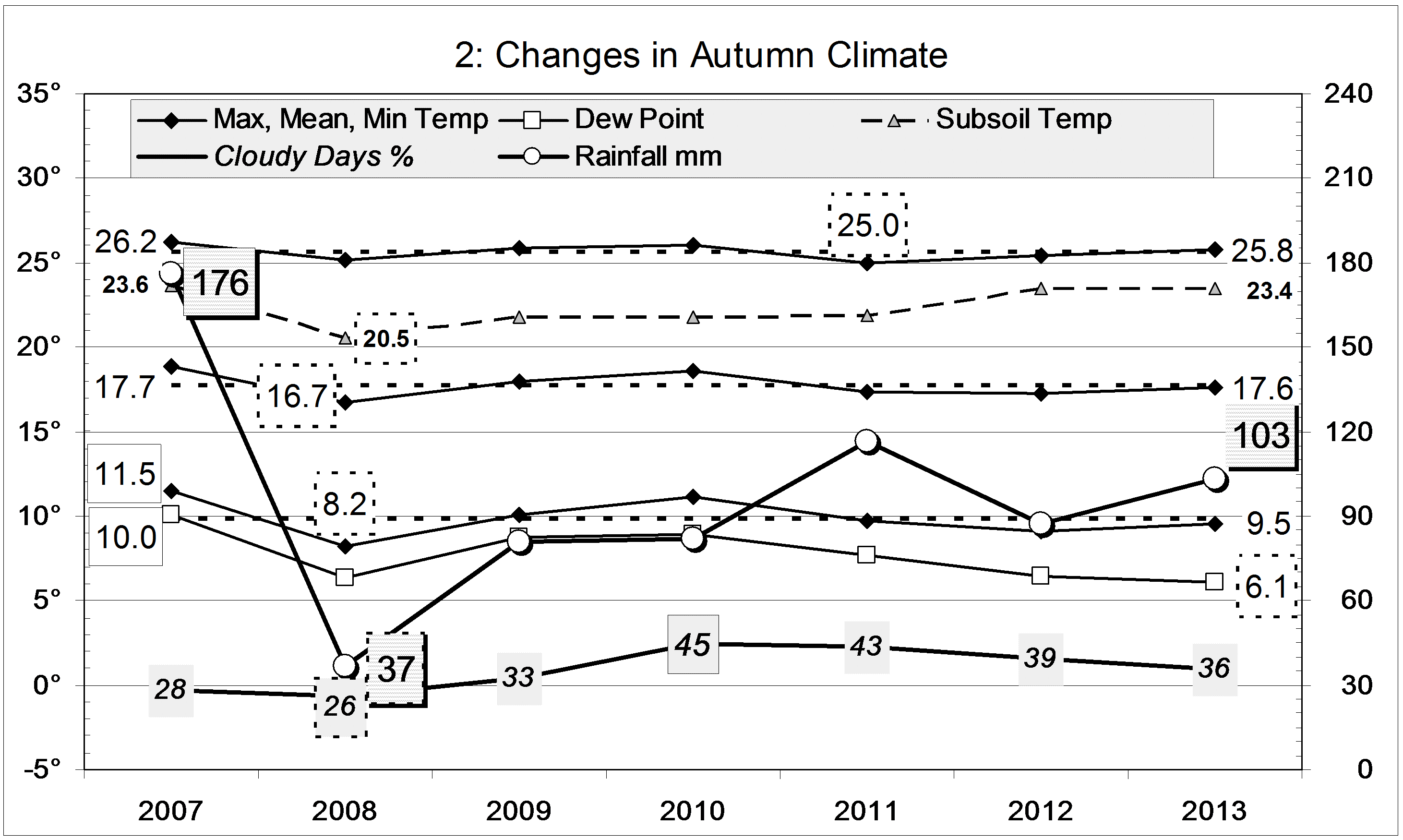
Data. Rainfall data is from Manilla Post Office, courtesy of Phil Pinch. Temperatures, including subsoil at 750 mm, and other data are from 3 Monash Street, Manilla.
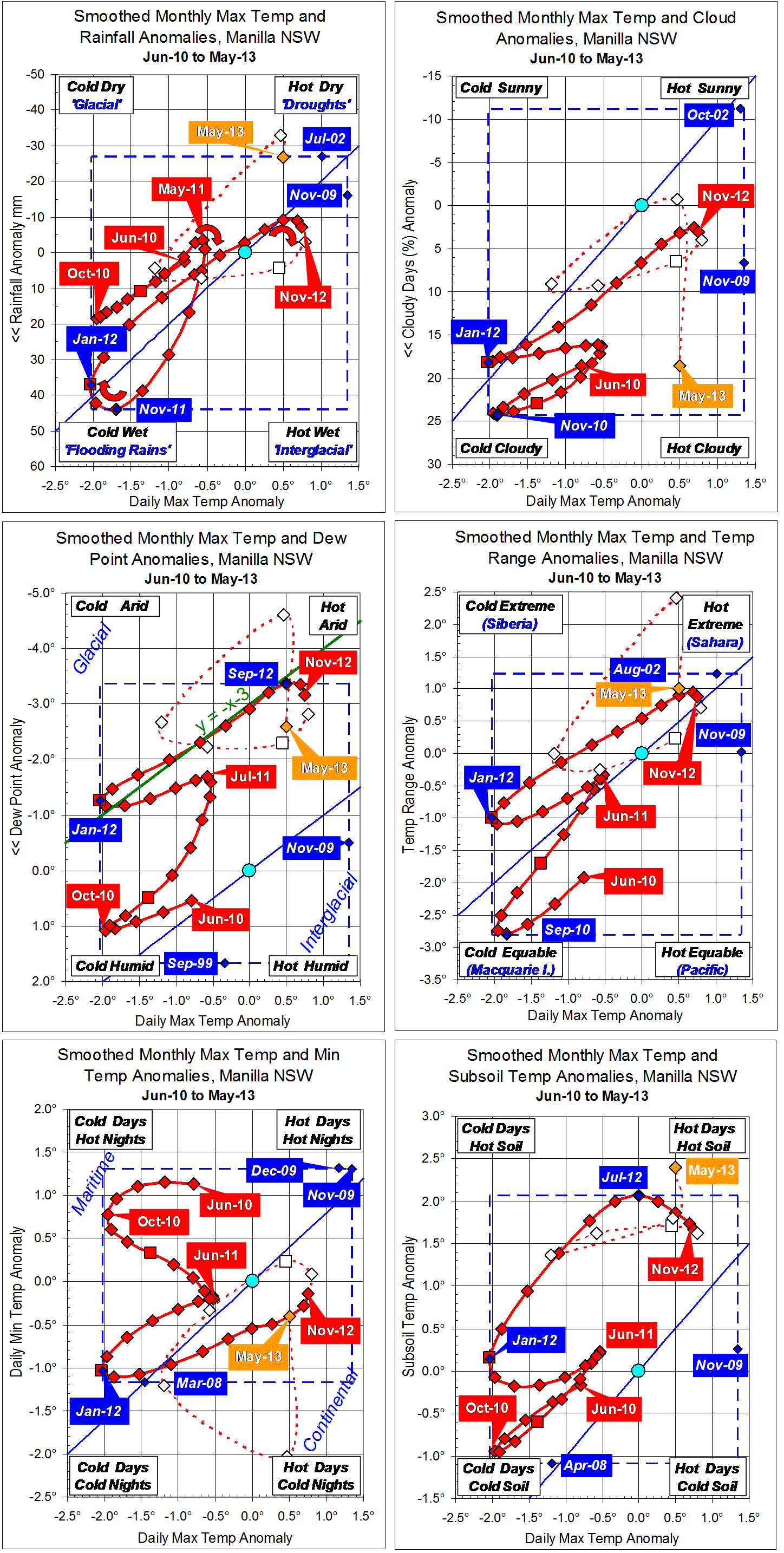
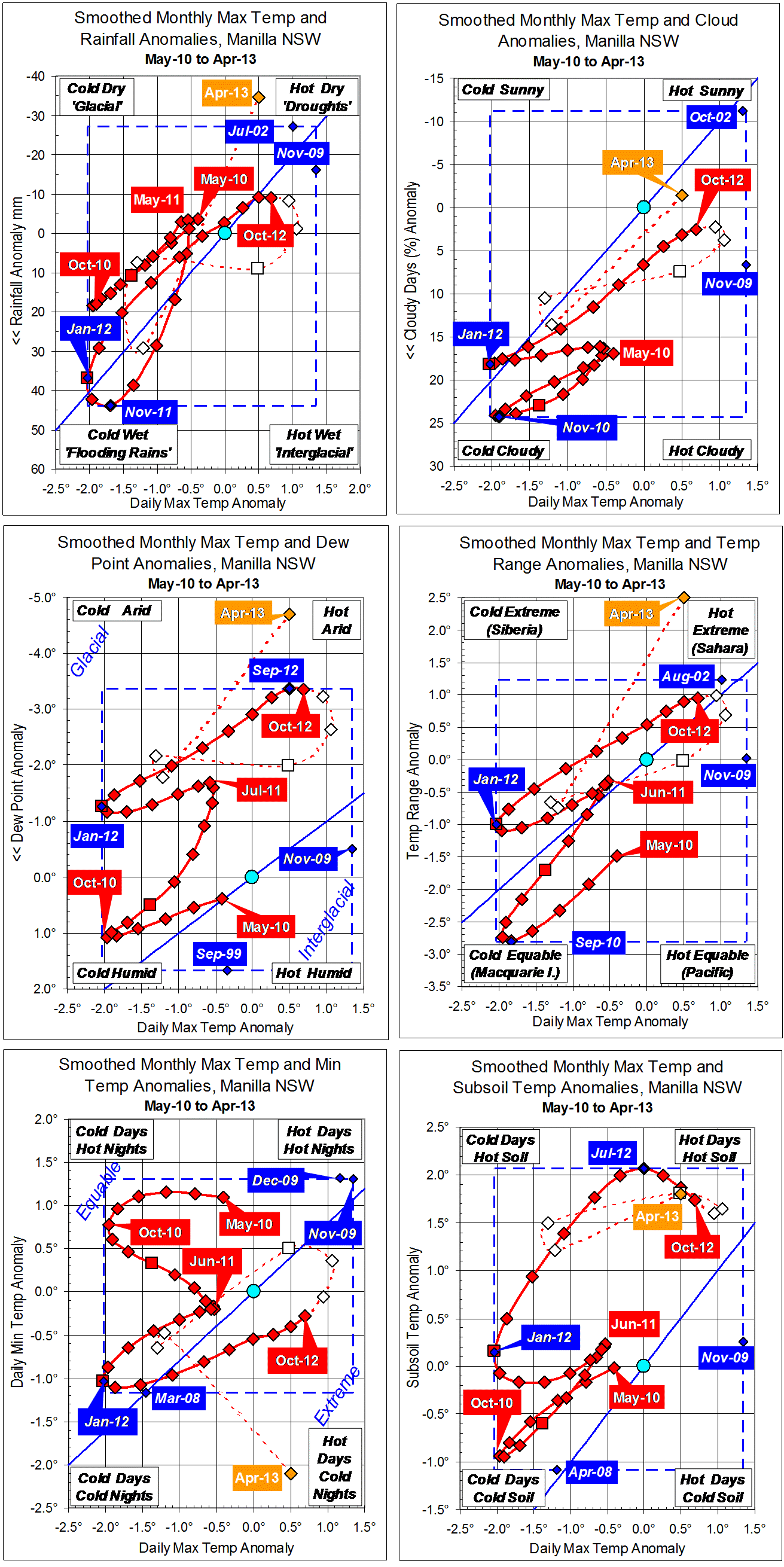
3-year trends to May 2013

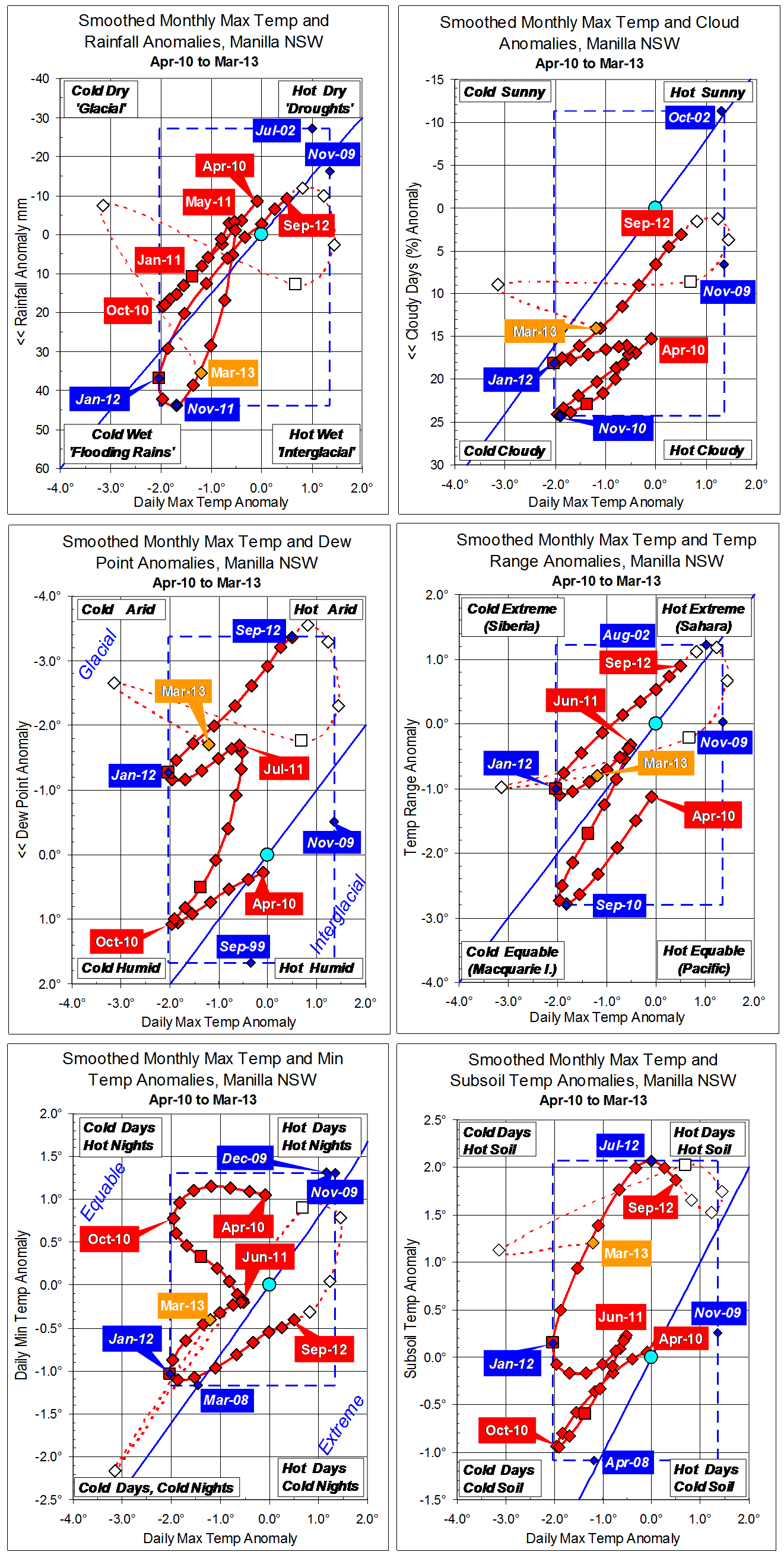
Parametric plots of smoothed climate variables at Manilla

“Still warm; not quite so dry”Trends to May 2013.

May continued warm, but not quite so dry. Skies became cloudy again, and minimum temperature rose back to normal.

Points in red for November 2012 complete fully-smoothed data for spring 2012. They define a reversal of climate. Anomalies of moisture variables (rainfall, cloud, dew point, and (minus) temperature range) peaked in the “drought” sense in September or October. The anomaly of daily maximum temperature peaked (probably) in November, and that of daily minimum temperature peaked later (date uncertain).

The curved red arrows on the first graph emphasise the fact that, for these peaks and troughs, temperature extremes came a month or more after rainfall extremes.

ENSO and this 3-year temperature-rainfall-humidity record

I discussed the match between Manilla climate variation at this time and the El Niño – Southern Oscillation in a post on the weatherzone forum thread “ENSO Discussion 2013”: Post #1195723 of 26 May 2013.

Note: Fully smoothed data – Gaussian smoothing with half-width 6 months – are plotted in red, partly smoothed data uncoloured, and raw data for the last data point in orange. January data points are marked by squares. Blue diamonds and the dashed blue rectangle show the extreme values in the fully smoothed data record since September 1999.

3-year trends to April 2013

Parametric plots of smoothed climate variables at Manilla

“Back to warm and very dry”Trends to April 2013.

In April the raw value of maximum temperature anomaly became high and (indicating aridity) those of rainfall, dew point, and minimum temperature extremely low, and that of temperature range extremely wide. Cloud remained normal, and subsoil temperature high.

Fully-smoothed data points (red) for October 2012 continued to move towards higher maximum temperature, but scarcely moved further towards drought.

Note: Fully smoothed data – Gaussian smoothing with half-width 6 months – are plotted in red, partly smoothed data uncoloured, and raw data for the last data point in orange. January data points are marked by squares. Blue diamonds and the dashed blue rectangle show the extreme values in the fully smoothed data record since September 1999.

3-year trends to March 2013

Parametric plots of smoothed climate variables at Manilla

“Now cool and wet”Trends to March 2013.

While raw values of temperature anomalies were not as low as in February, March was further towards cool, moist conditions than December or January, or any months since July.

Fully-smoothed data points (red) for September 2012 continued to move towards drought. The dew point anomaly reached a seventh successive new record low: -3.37 degrees.

Note: Fully smoothed data – Gaussian smoothing with half-width 6 months – are plotted in red, partly smoothed data uncoloured, and raw data for the last data point in orange. January data points are marked by squares. Blue diamonds and the dashed blue rectangle show the extreme values in the fully smoothed data record since September 1999.

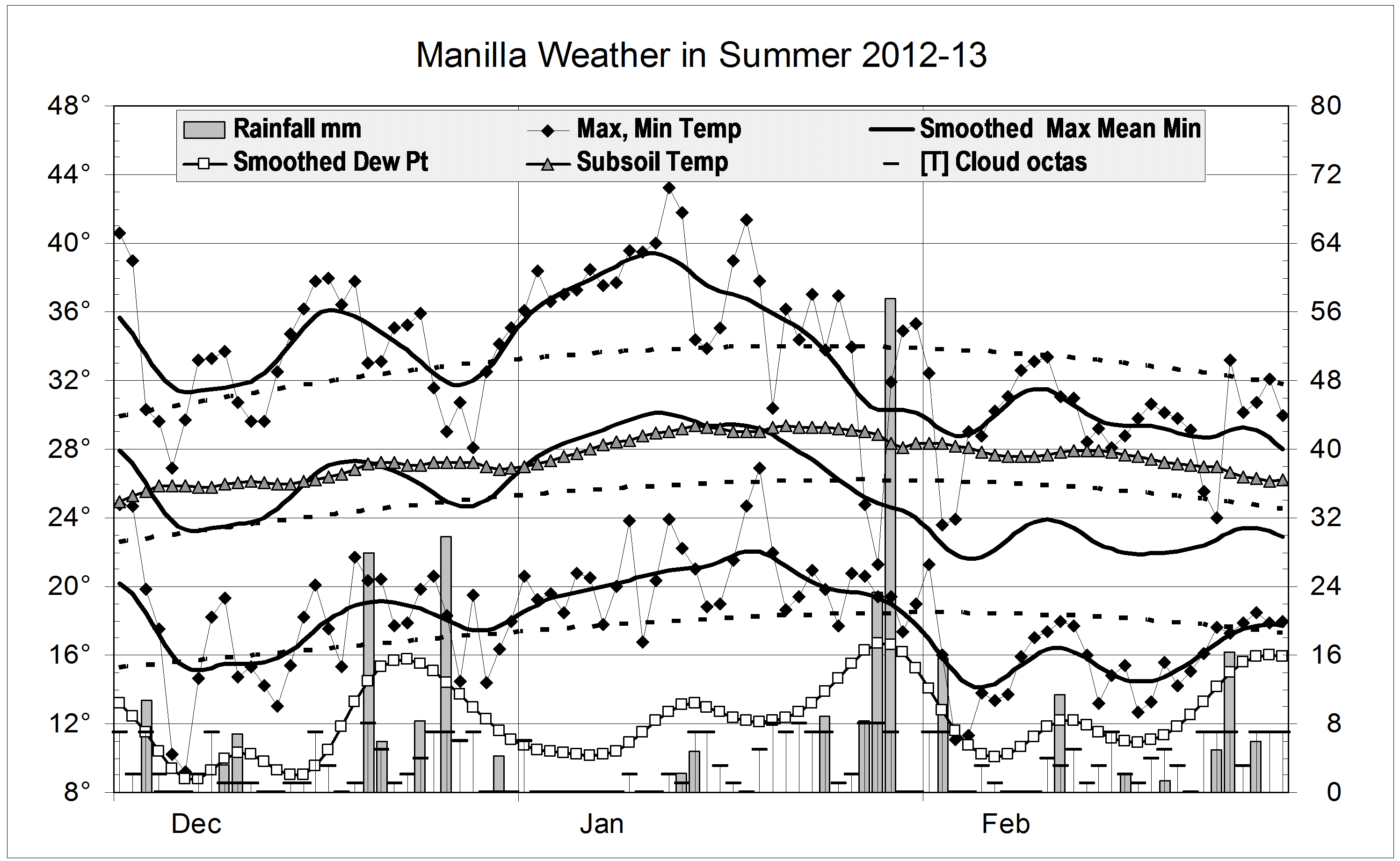
Summer 2012-13 hot in parts

Weather log summer 2012-13Summer was marked by a heat wave in January, similar to that in November 2009. It was not quite so hot, except that the hottest day set a 21st century record of 43.2°. The season also began very hot, but there were other times that were very cool, especially in February.

Twelve days had exceptionally low humidity, below 10%, with a record low value of 4% on 11th January.
There were 22 rain days, which is normal.

In contrast to the very low temperatures last summer, this summer’s temperatures were normal. At 37% cloudy mornings, this summer was a bit cloudier than normal (31%). Morning dew points set a new summer record low of 12.2°, beating the record set last year.
The rainfall total of 260.6 mm beats the average of 228 mm. It is in the 65th percentile.Climate summer 2012-13.

Data. Rainfall data is from Manilla Post Office, courtesy of Phil Pinch. Temperatures, including subsoil at 750 mm, and other data are from 3 Monash Street, Manilla.