3-year trends to September 2013

Parametric plots of smoothed climate variables at Manilla
“Desert-like climate”Trend to September 2013.
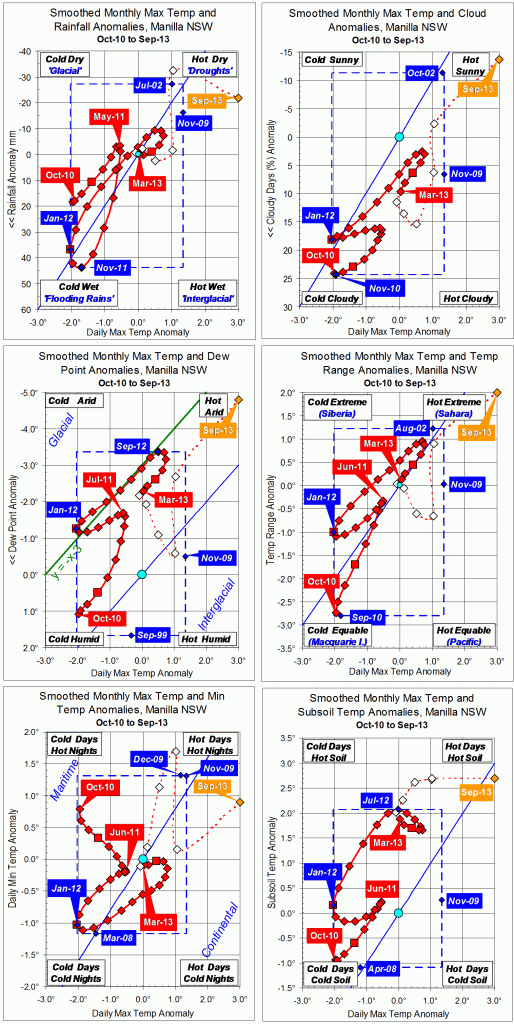
Raw values of climate anomalies for September 2013 all show extreme aridity: they are in the top right corner of the graphs.
The latest fully-smoothed data point, March 2013, continues a trend towards normalcy and away from the mild drought seen in spring 2012.

Note:
Fully smoothed data – Gaussian smoothing with half-width 6 months – are plotted in red, partly smoothed data uncoloured, and raw data for the last data point in orange. January data points are marked by squares.
Blue diamonds and the dashed blue rectangle show the extreme values in the fully smoothed data record since September 1999.
3-year trends to August 2013

Parametric plots of smoothed climate variables at Manilla
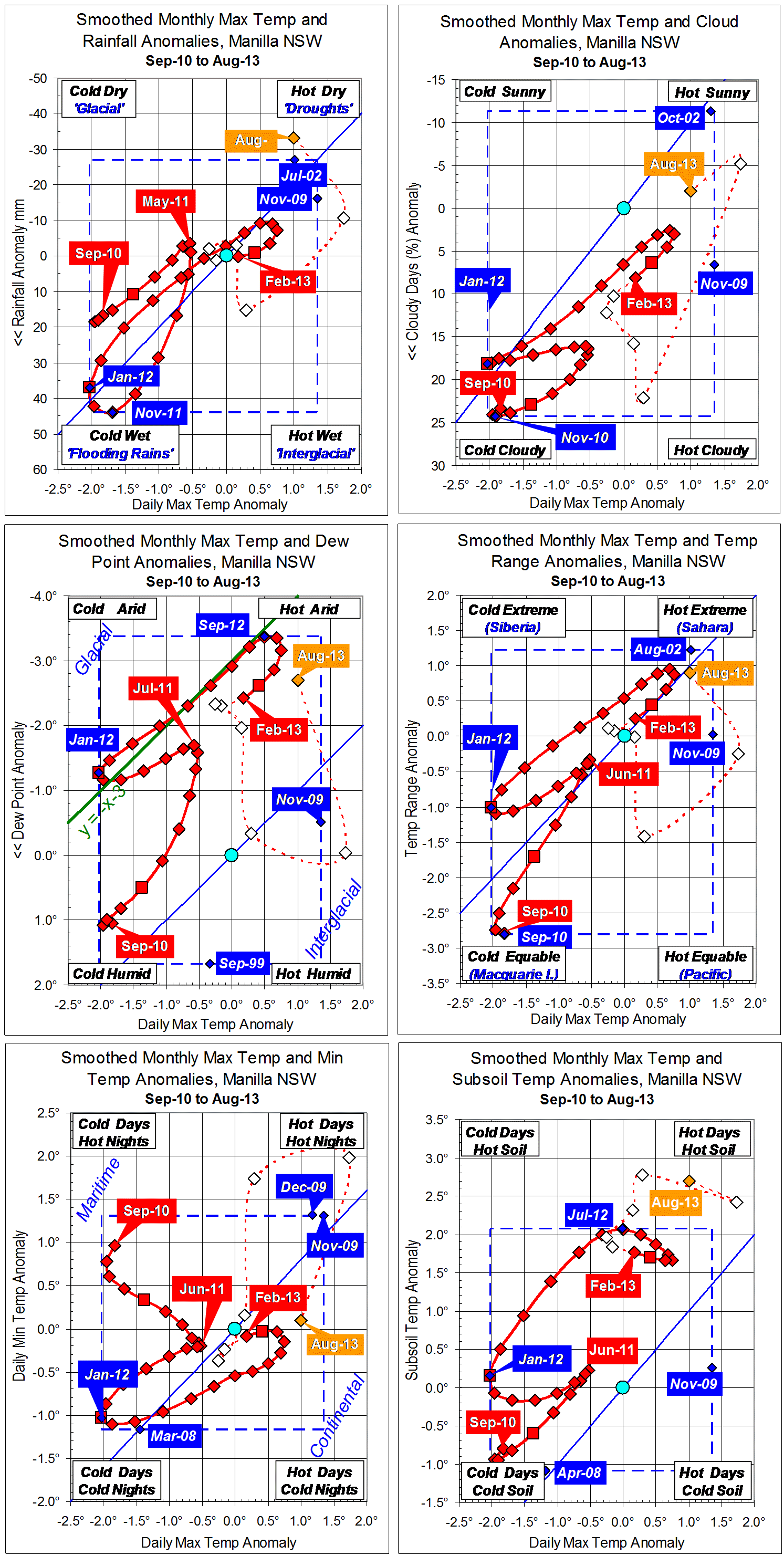
“Still warm and dry”Trends to August 2013.

The raw value of maximum temp anomaly for August was lower than for July. Other variables were typical of “drought”, except for minimum temp, which was normal.

The fully-smoothed data point for February 2013 completes a summer season that moved away from drought. By February, smoothed values of anomalies for rainfall, temperature range, and minimum temperature had returned to normal, but dew point was still very low, and cloudiness and subsoil temperature were high.

El Niño – Southern Oscillation (ENSO)

The first points on these graphs (September 2010) just catch the La Niña event of spring 2010, which was followed by another La Niña event in spring 2011. At Manilla, both events produced extremely low daily maximum temperature. The 2010 event produced extremes of cloudiness, humidity (high dew point), narrow daily temperature range, and low subsoil temperature. The 2011 event produced quite different results: extremely high rainfall and extremely cold nights.

Note:
Fully smoothed data – Gaussian smoothing with half-width 6 months – are plotted in red, partly smoothed data uncoloured, and raw data for the last data point in orange. January data points are marked by squares.
Blue diamonds and the dashed blue rectangle show the extreme values in the fully smoothed data record since September 1999.
3-year trends to July 2013

Parametric plots of smoothed climate variables at Manilla
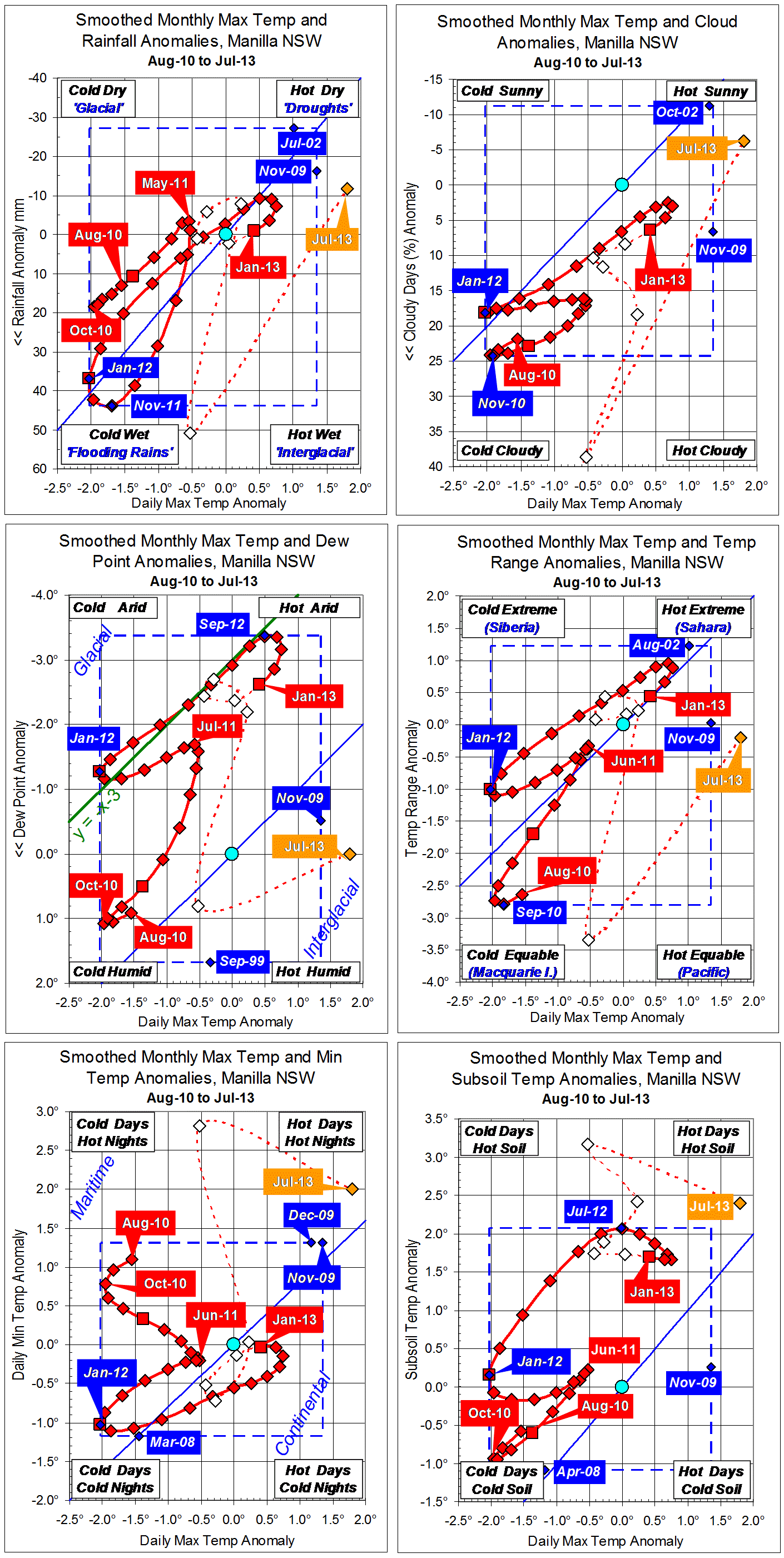
“Very warm days and nights”Trends to July 2013.

Raw values for July showed a big jump towards hot and dry for most variables, but dew point anomaly fell only to zero. Minimum temperature and subsoil temperature fell back a little from extremely high anomaly values in June.

The fully-smoothed data point for January 2013 continues a drift towards normal from the mild drought of October.

Note:
Fully smoothed data – Gaussian smoothing with half-width 6 months – are plotted in red, partly smoothed data uncoloured, and raw data for the last data point in orange. January data points are marked by squares.
Blue diamonds and the dashed blue rectangle show the extreme values in the fully smoothed data record since September 1999.
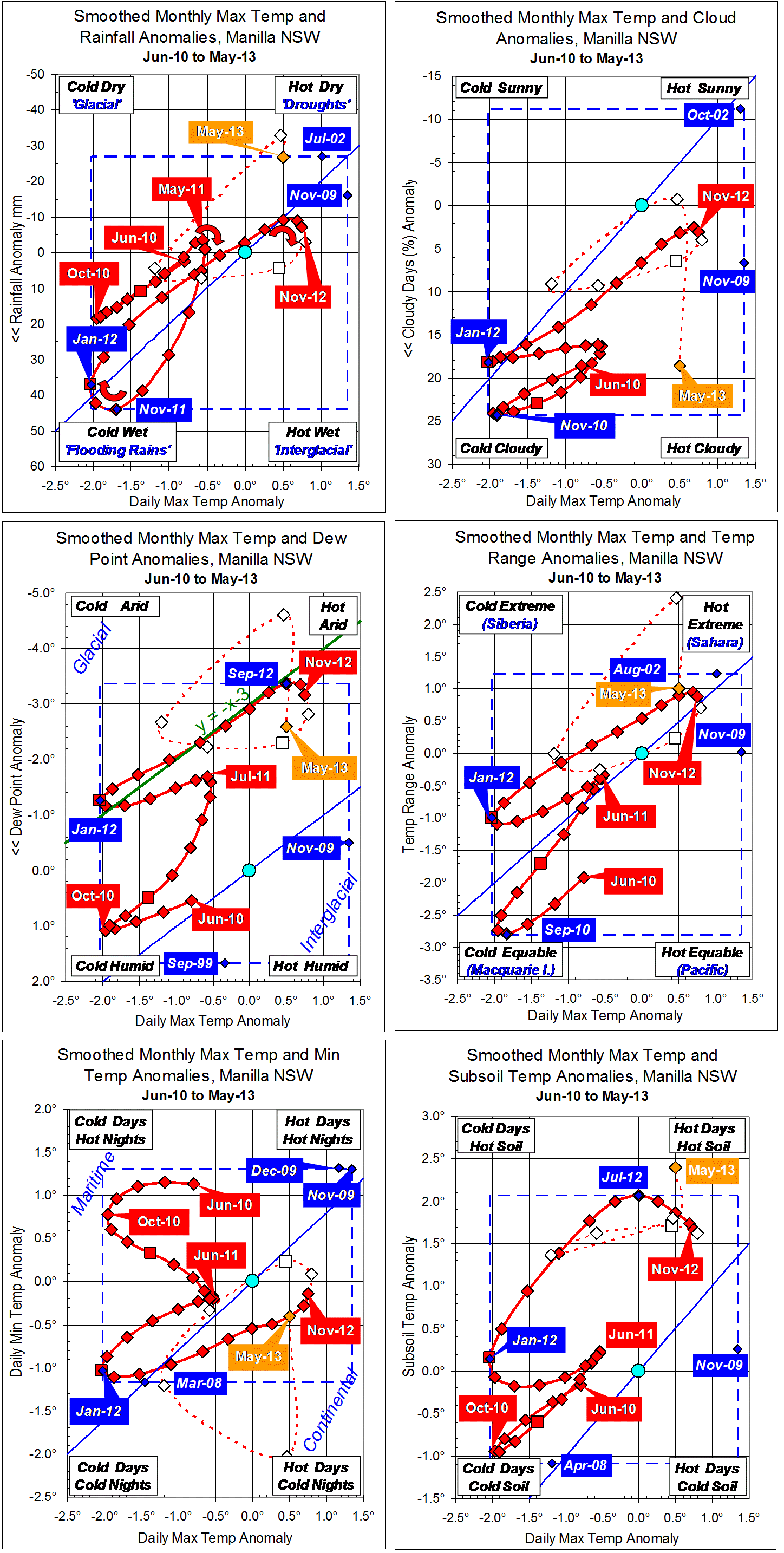
3-year trends to June 2013

Parametric plots of smoothed climate variables at Manilla
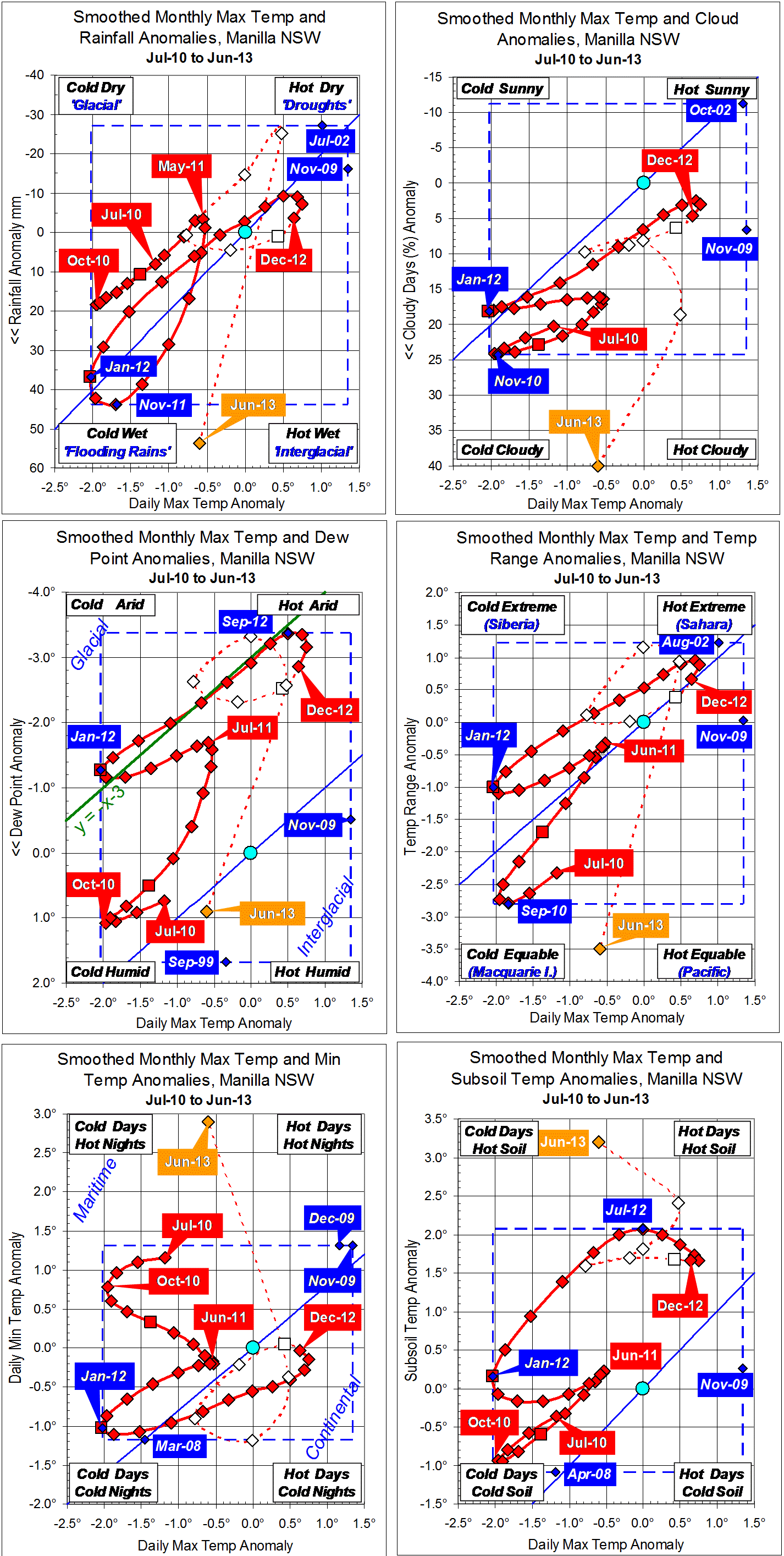
“Suddenly very wet”Trends to June 2013.


While days were only a little cooler than normal in June, moisture variables were extremely high. Rainfall, cloudiness and daily temperature range went beyond the blue lines. Cloudiness reached a record for this data set.
Both daily minimum temperature and subsoil temperature were also very high.

The fully-smoothed data point for December 2012 shows a drift towards normal from the mild drought of October.

Note:
Fully smoothed data – Gaussian smoothing with half-width 6 months – are plotted in red, partly smoothed data uncoloured, and raw data for the last data point in orange. January data points are marked by squares.
Blue diamonds and the dashed blue rectangle show the extreme values in the fully smoothed data record since September 1999.

3-year trends to May 2013

Parametric plots of smoothed climate variables at Manilla

“Still warm; not quite so dry”Trends to May 2013.

May continued warm, but not quite so dry. Skies became cloudy again, and minimum temperature rose back to normal.

Points in red for November 2012 complete fully-smoothed data for spring 2012. They define a reversal of climate. Anomalies of moisture variables (rainfall, cloud, dew point, and (minus) temperature range) peaked in the “drought” sense in September or October. The anomaly of daily maximum temperature peaked (probably) in November, and that of daily minimum temperature peaked later (date uncertain).

The curved red arrows on the first graph emphasise the fact that, for these peaks and troughs, temperature extremes came a month or more after rainfall extremes.

ENSO and this 3-year temperature-rainfall-humidity record

I discussed the match between Manilla climate variation at this time and the El Niño – Southern Oscillation in a post on the weatherzone forum thread “ENSO Discussion 2013”: Post #1195723 of 26 May 2013.

Note: Fully smoothed data – Gaussian smoothing with half-width 6 months – are plotted in red, partly smoothed data uncoloured, and raw data for the last data point in orange. January data points are marked by squares. Blue diamonds and the dashed blue rectangle show the extreme values in the fully smoothed data record since September 1999.