January 2013 very hot, then wet

The daily weather logWeather log January 2013.

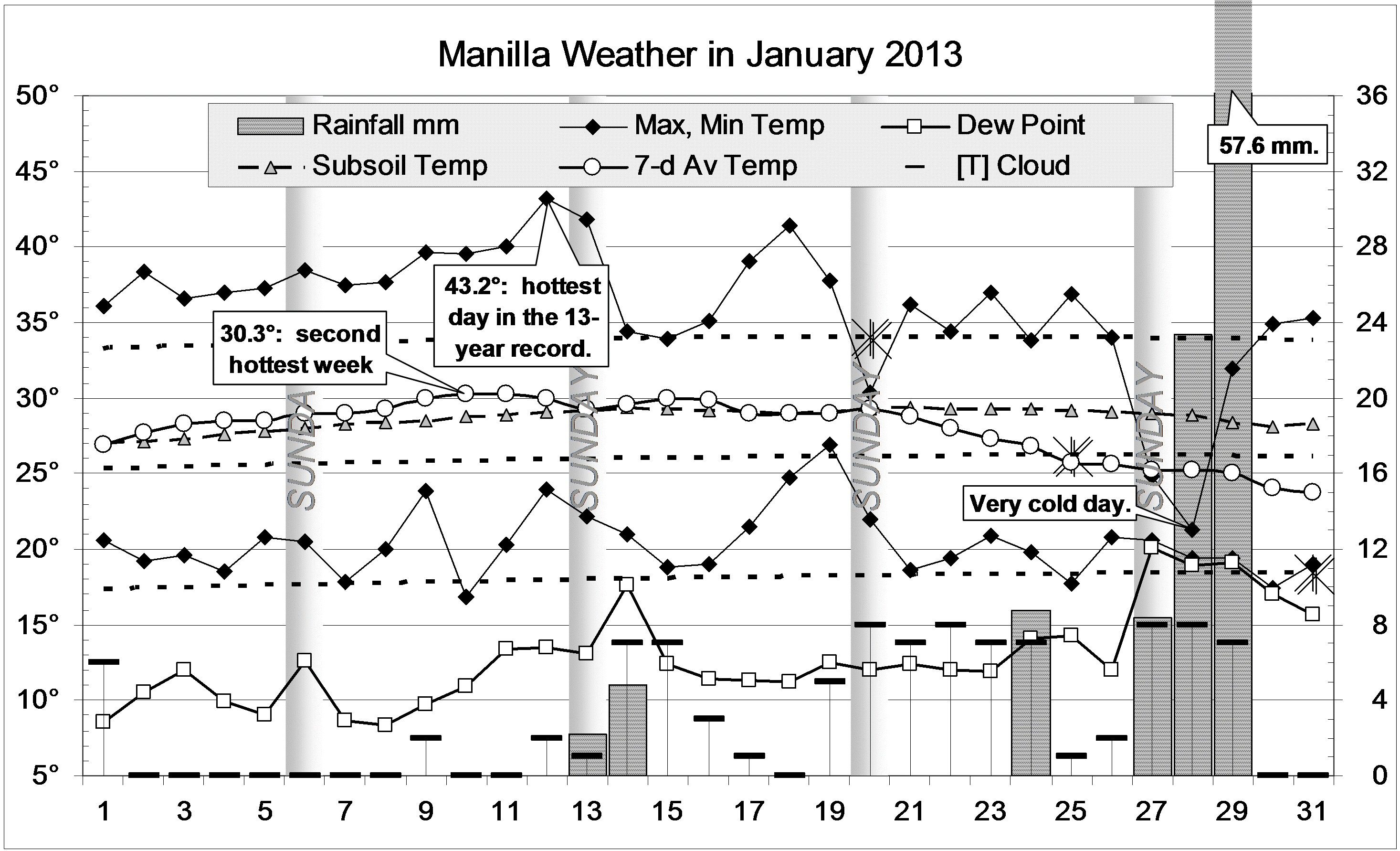
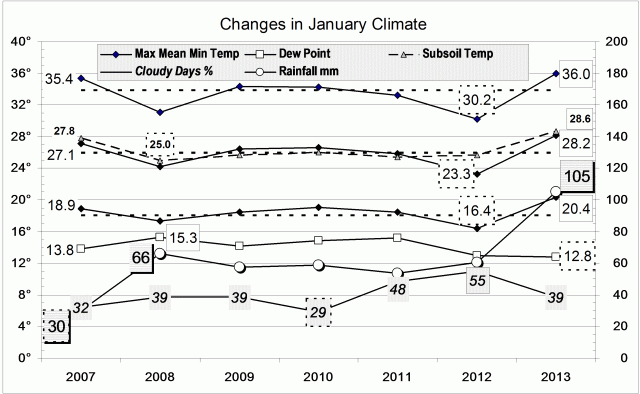
Days were sunny and extremely hot in the first three weeks. Saturday the 12th had the highest temperature on this record: 43.2°. Later, days were cloudy, and the maximum temperature on the 28th was only 21.3°. That was 12.6° below normal, and the second coldest January day. Most nights were warmer than normal, helping to make the weekly average of 30.3° on the 10th the second hottest, after a week in November 2009.
Only a few showers had fallen until the 27th, when ex-tropical cyclone Oswald brought 89 mm in three days of steady rain.

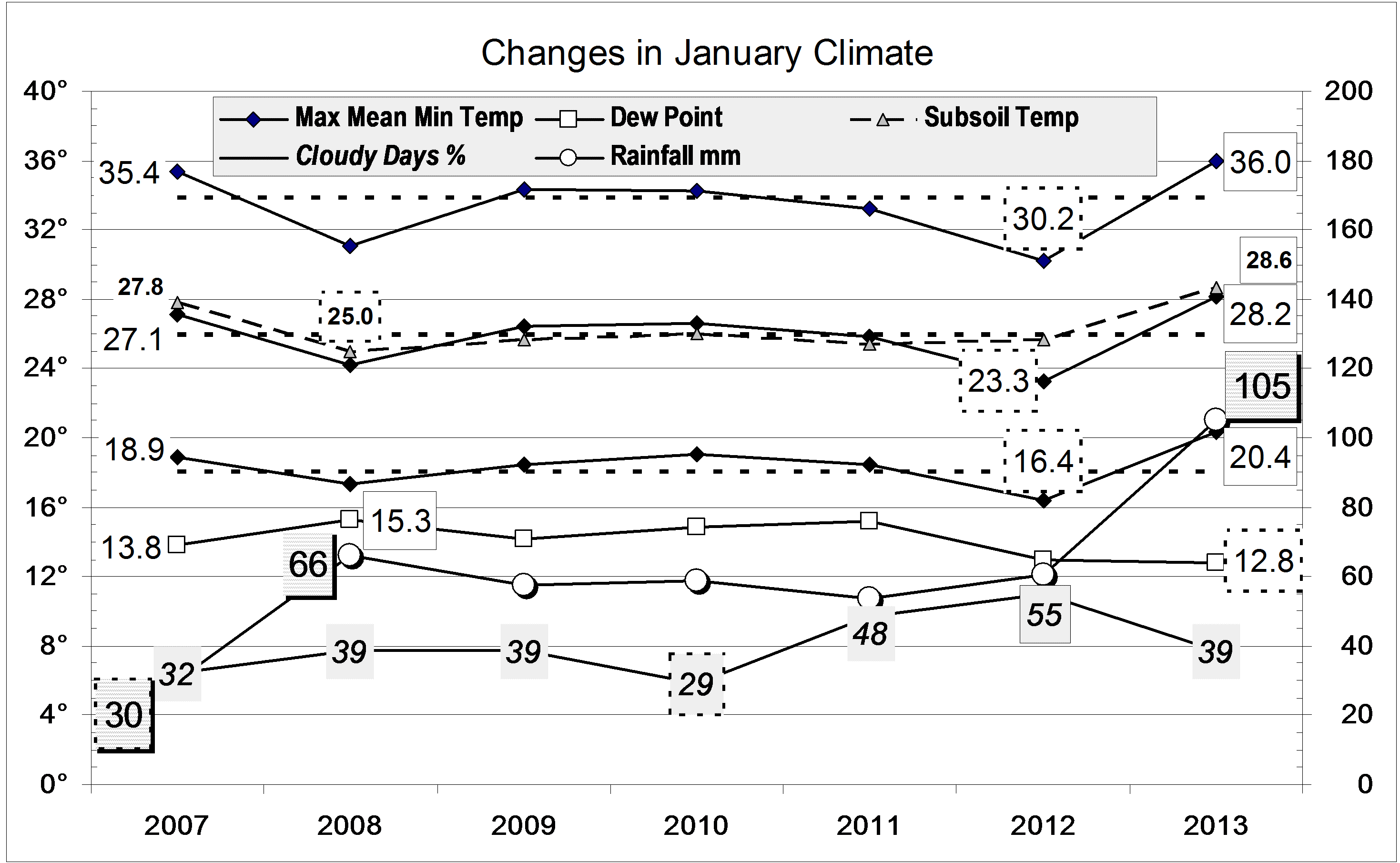
 Comparing January monthsClimate January 2013.
Unlike recent arid months, March was near normal in day-time temperature, humidity and cloudiness. Nights were very warm, however .

The total rainfall of 101.6 mm is almost twice the March average of 53 mm, and in the 85th percentile. March has been wetter in nineteen years, including 2001 (103 mm) and 2007 (114 mm). Taking rainfall totals for more than one month, the greatest shortages are not serious (i.e. not below the 10th percentile). The twelve-month total (469 mm) is in the 14th percentile. Other totals have higher percentile values, and most totals for 30 months or more are above normal.


Data. Rainfall data is from Manilla Post Office, courtesy of Phil Pinch. Temperatures, including subsoil at 750 mm, and other data are from 3 Monash Street, Manilla.


3-year trends to January 2012.

Parametric plots of smoothed climate variables at Manilla

“Low Dew Points and cold days persist”Trends to January 2012.

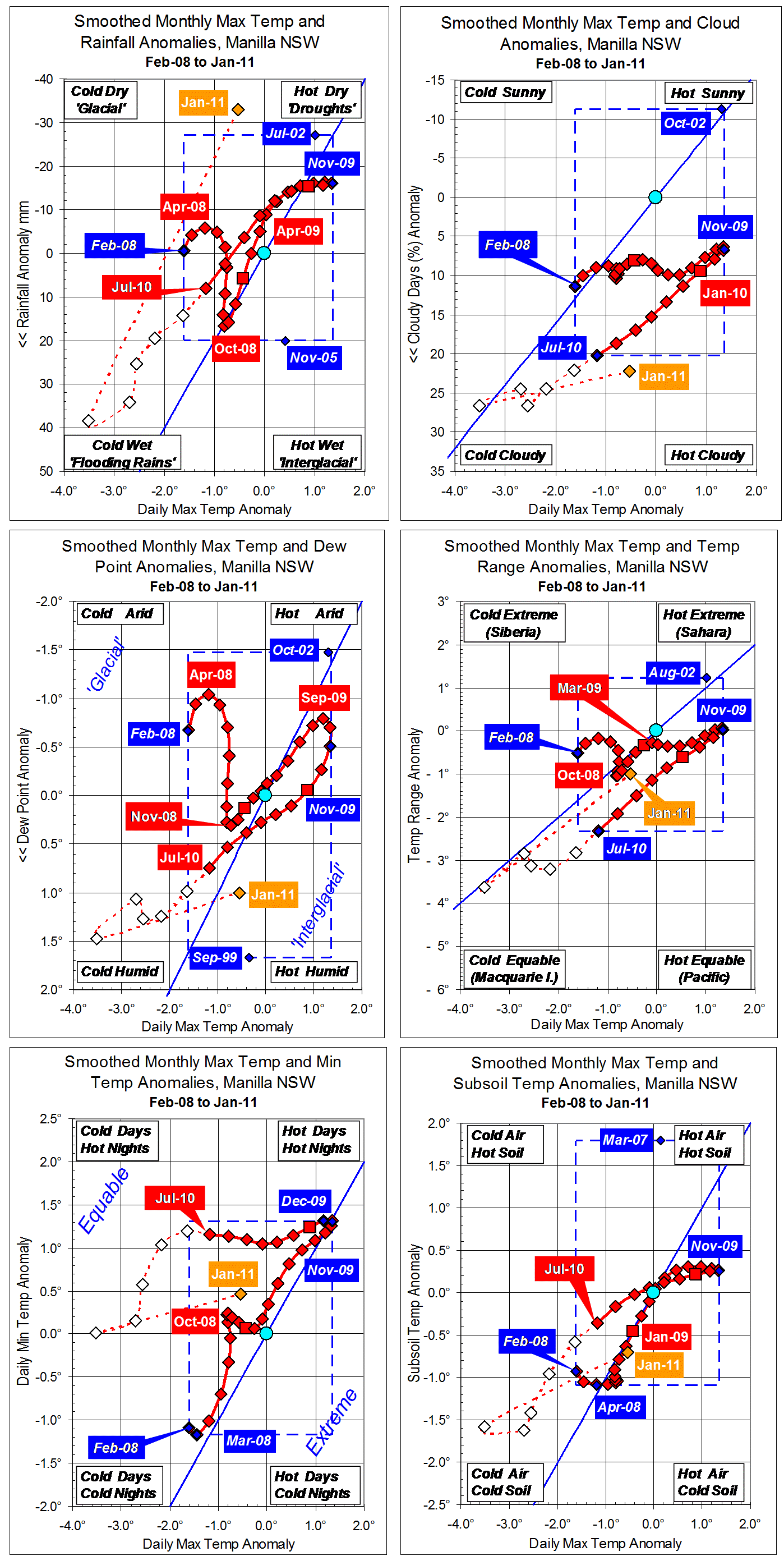
Except for humid November 2011, Dew Points at Manilla (Centre left graph) have now shown remarkable aridity for nine months. The July 2011 value for Dew Point anomaly, now fully smoothed, requires the blue line to be moved yet again. It sets a new lower limit for smoothed Dew Point anomaly: minus 1.70 degrees.
Daily maximum temperature (X-axis, all graphs), from a remarkably low value (-4.7) in December, rose only to -3.6 in January.
On the top left graph, the rainfall anomaly returned from a record positive value in November to stongly negative within two months.
Cloudiness went from very high to extreme.
Daily temperature range (centre right graph) and daily minimum temperature (bottom left graph) moved back from the extreme values of December.

Note: Fully smoothed data – Gaussian smoothing with half-width 6 months – are plotted in red, partly smoothed data uncoloured, and raw data for the last data point in orange. January data points are marked by squares. Blue diamonds and the dashed blue rectangle show the extreme values in the fully smoothed data record since September 1999.

Cool, very cloudy January 2012

The daily weather logWeather log January 2012.

As in December, nearly all the days and nights of January were cooler than normal. Normally, about twelve days are warmer than 35°, but this time only three were. Sunday the 15th reached only 23°, which is 11° below normal. There were eleven rain days, but the highest rainfall reading, on the 25th, was only 11.2 mm.
The month ended with eleven cloudy mornings in a row. Seven mornings in the month were overcast.

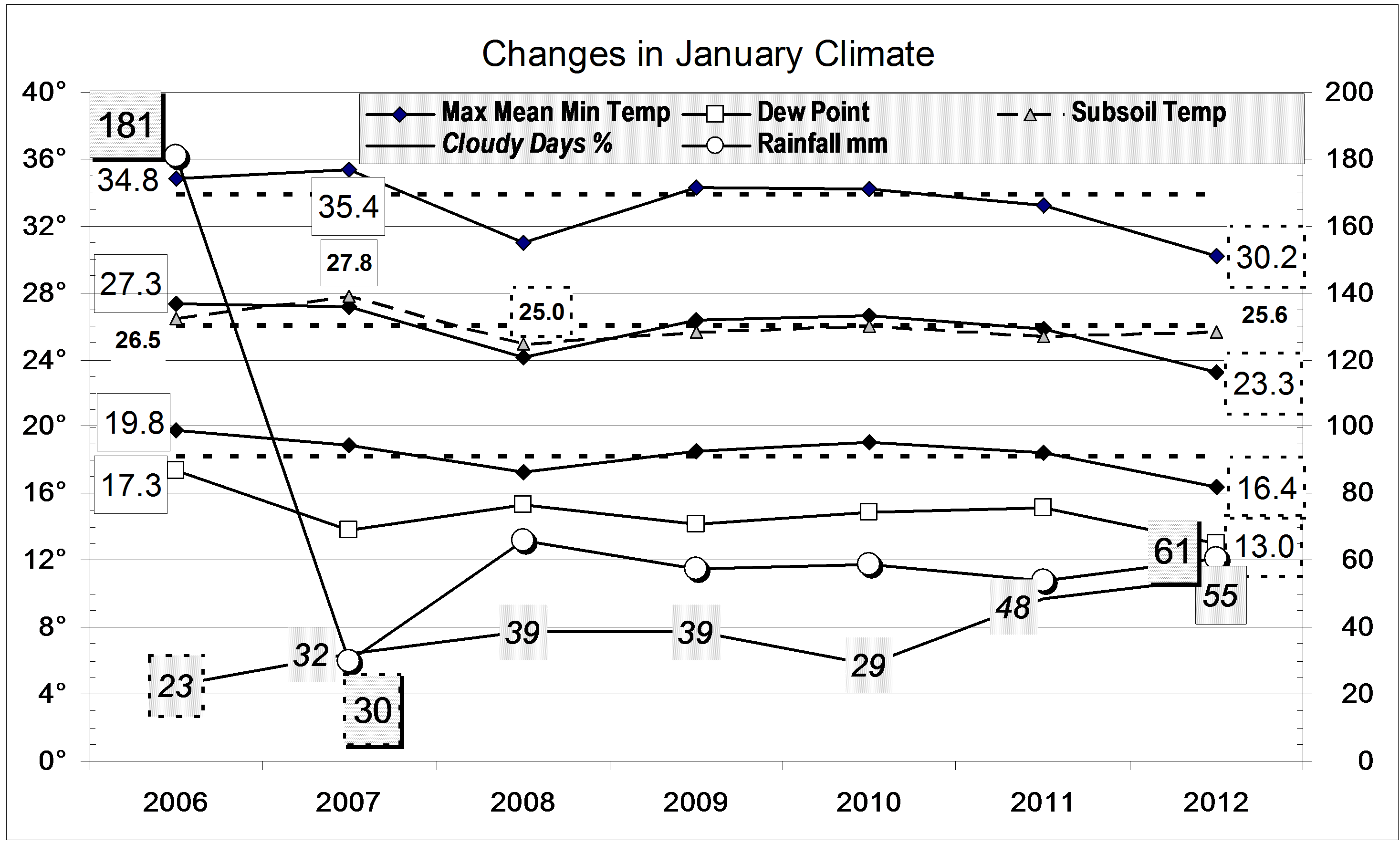
Comparing January monthsClimate January 2012.

All mean temperatures and the Dew Point were lower than in other Januaries shown on the second graph. They were also the lowest on the 13-year record, except that January 2000 had a lower mean minimum of 15.5° and Dew Point of 12.4°. This month’s mean maximum was 3.7° below normal. This extremely low value does not match December’s, which was 4.6° below normal.
Subsoil temperature was not low, but normal. This made the subsoil more than 2° warmer than the air, which is unusual in January.
Fifty-five percent cloudy mornings is a new record for January, and twice as cloudy as usual. Due to that, the mean daily temperature range (13.8°) is near the January record narrow value: 13.7° in 2008.
The rainfall of 60.7 mm is in the 40th percentile for January, well below the long-term average of 86.7 mm. Due to the November deluge, rain totals for groups of months from 3 months up to 24 months remain very high indeed: above the 80th percentile.


Data. Rainfall data is from Manilla Post Office, courtesy of Phil Pinch. Temperatures, including subsoil at 750 mm, and other data are from 3 Monash Street, Manilla.
3-year trends to January 2011

Parametric plots of smoothed climate variables at Manilla

“”Flooding Rains” stop”Trends to January 2011.

The raw January 2011 anomaly values have leapt away from the “Flooding Rains” area in the bottom left corner of the graphs. Anomaly values of maximum temperature and temperature range are up, and that of rainfall is down.

Note: Fully smoothed data – Gaussian smoothing with half-width 6 months – are plotted in red, partly smoothed data uncoloured, and raw data for the last data point in orange. January data points are marked by squares. Blue diamonds and the dashed blue rectangle show the extreme values in the fully smoothed data record since September 1999.

January 2011 cool then hot

The daily weather logWeather log January 2011.

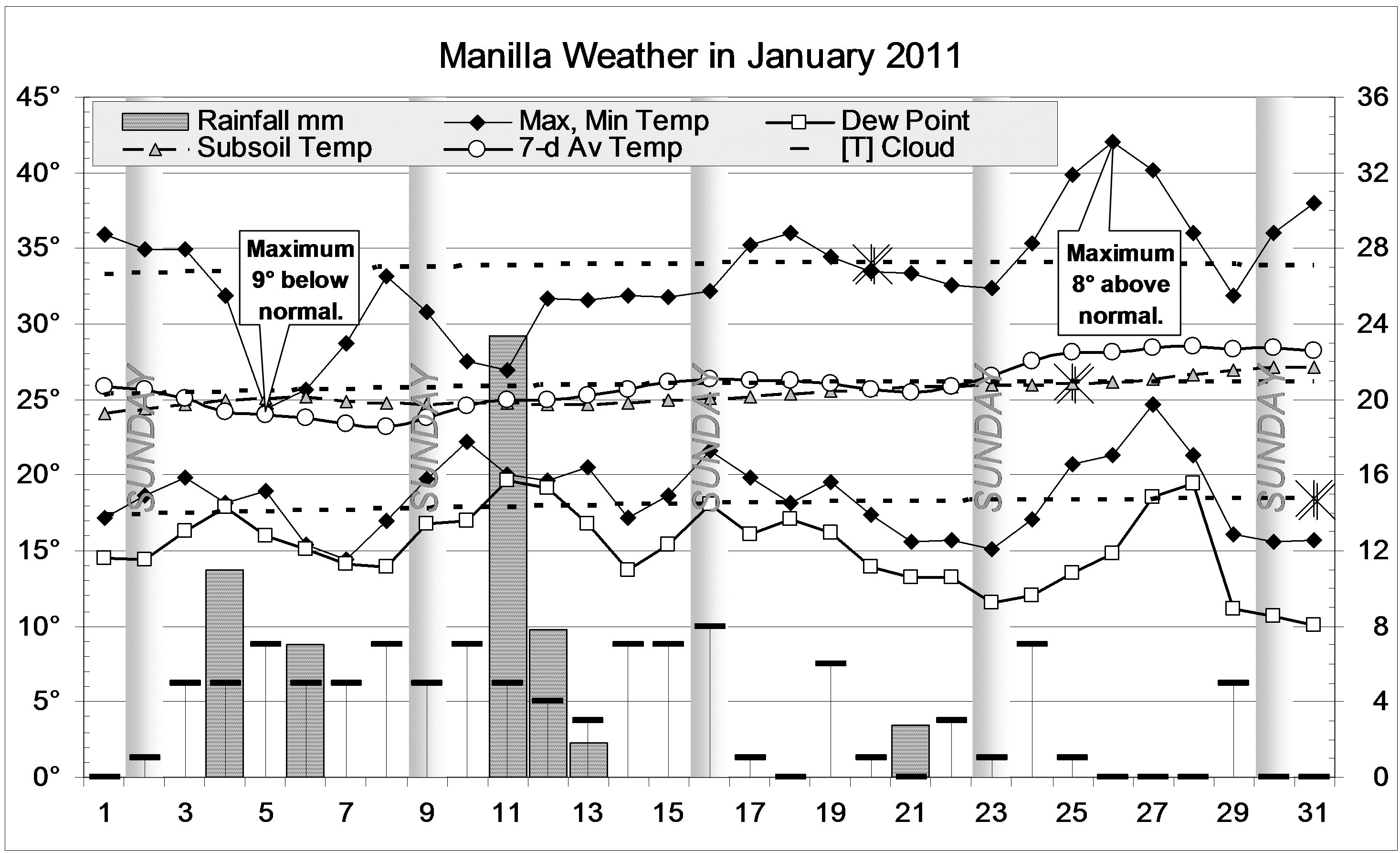
In the first part of January cool wet weather continued. On the 5th the temperature reached only 24.4°, and the 11th had 23.4 mm of rain. Suddenly the rain stopped and temperatures became normal. The last week was dry and hot, with the maximum of 42.0° on the 26th making it the second hottest day this century. By month’s end there had been eighteen days without 5 mm of rain.

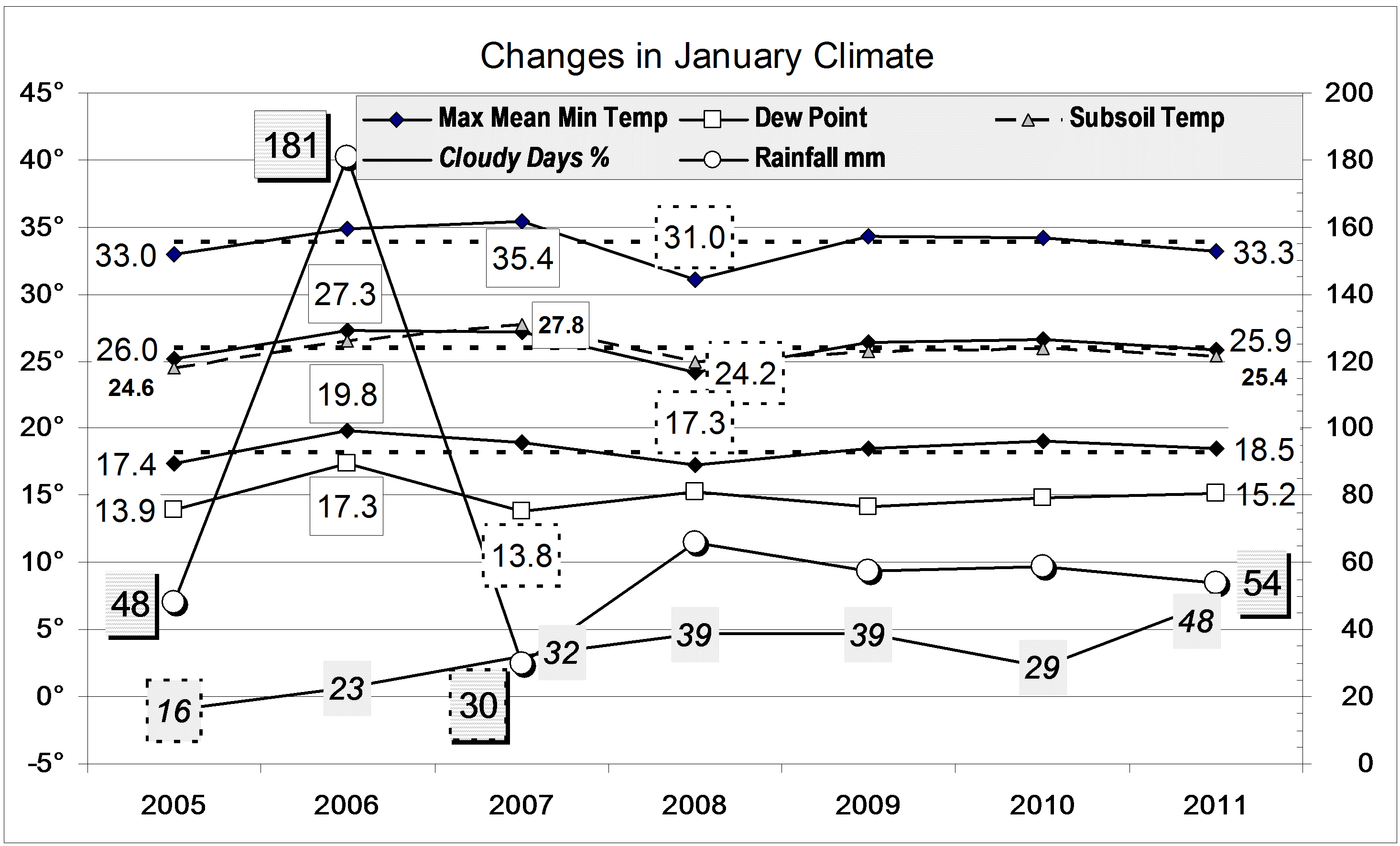
 Comparing January monthsClimate January 2011.

This month broke the year-long tendency to a cooler, moister climate in Manilla. Mean maximum, mean, and minimum temperatures and mean soil temperature were all near average. The mean Dew Point remained a little high, and cloudiness was a January record 48%.
The rainfall of 53.8 mm is in the 35th percentile for January, far below the long-term average of 87 mm. However, moisture in the landscape must be close to normal. Rainfall totals for groups of months (up to 360 months) now include no extremes, either above the 90th percentile or below the 25th percentile.


Data. Rainfall data is from Manilla Post Office, courtesy of Phil Pinch. Temperatures, including subsoil at 750 mm, and other data are from 3 Monash Street, Manilla.