Spring 2011 the wettest by far


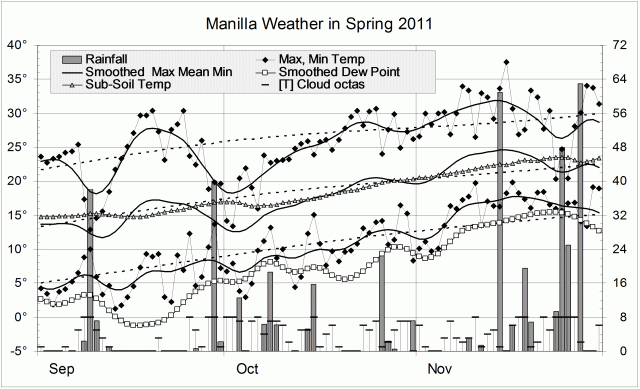
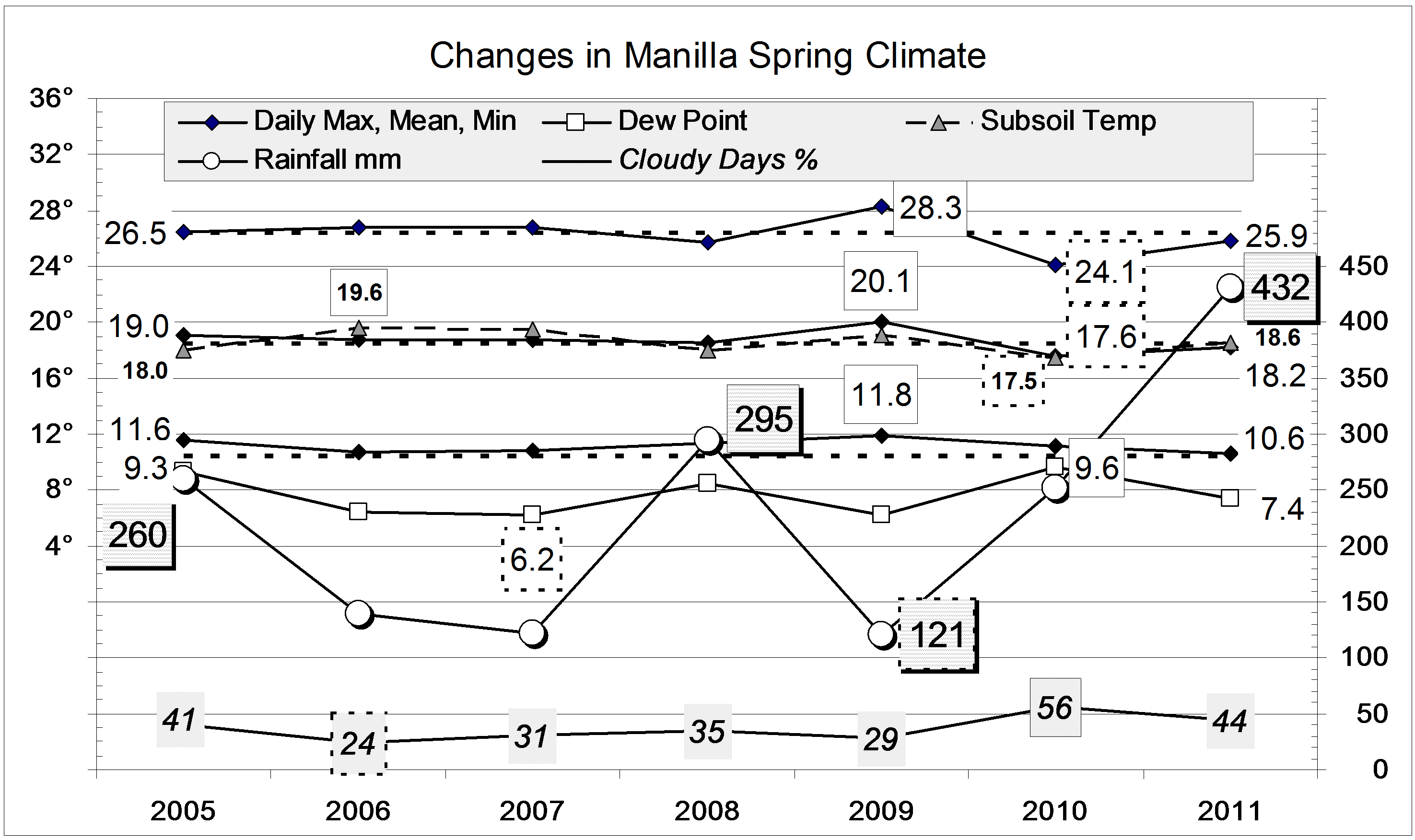
Weather log spring 2011This spring’s rainfall of 431.7 mm far exceeded that of any other spring in the record from 1883. Winter had been very dry, with only 55 mm. While there was a lot of rain in September (91.4 mm) and October (97.4 mm), much more fell in November (242.9 mm), mainly in the second half.
The only other springs with more than 300 mm were in two small groups: 1916 (326 mm) and 1917 (327 mm); and 1949 (330 mm), 1950 (379 mm), 1954 (319 mm) and 1955 (321 mm).
Apart from the extreme rainfall, all other weather readings this spring were normal. By contrast, spring 2009 had been warm and sunny, and spring 2010, cool and cloudy.
During the season, there were two very cool spells, early in September and very early in October. They were separated by a sunny warm spell with very low humidity: it had people changing into summer gear (then back again!). By mid-November, both days and nights were very warm, but then returned to normal.Climate spring 2011
Data. Rainfall data is from Manilla Post Office, courtesy of Phil Pinch. Temperatures, including subsoil at 750 mm, and other data are from 3 Monash Street, Manilla.
3-year trends to November 2011

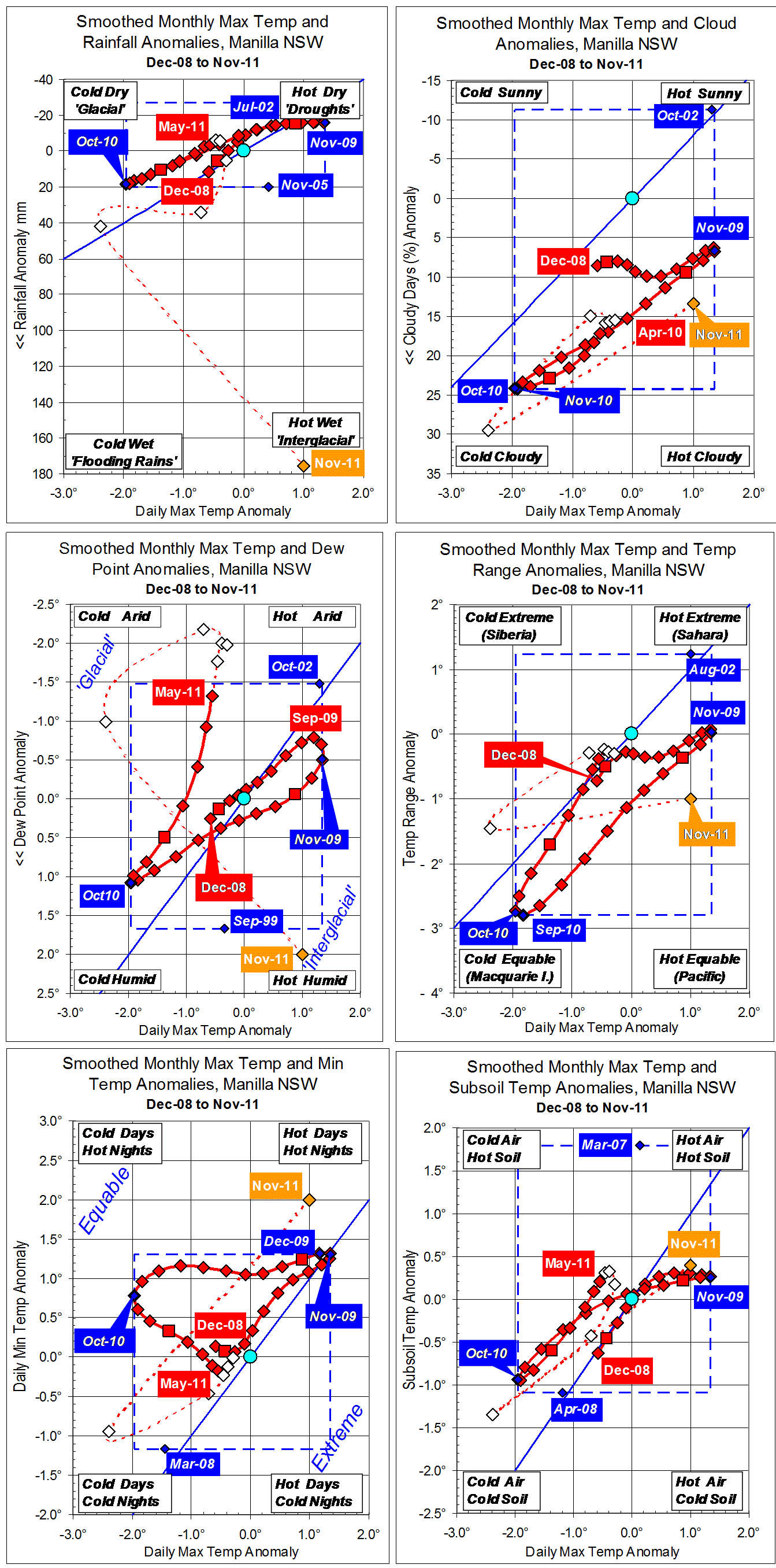
Parametric plots of smoothed climate variables at Manilla

“Bizarre values of climate anomalies”Trends to November 2011.

Most raw values for variables for November 2011 are bizarre. The rainfall anomaly (top left) is so high the scale has had to be extended by four times. The daily maximum temperature anomaly (all graphs, x-axis) has jumped from very low to high. High temperature seldom occurs with high rainfall, but that is thought to be normal in an interglacial climate. Similarly for the high Dew Point (centre left) with high maximum temperature. Two other temperatures jumped up along with maximum temperature: minimum temperature, and subsoil temperature.

Fully-smoothed data points (red) are now available for the autumn months (MAM) of 2011. Each variable showed a steady trend in one direction (but this did not continue through winter).
Max temp increased towards normal.
Rainfall decreased through normal.
Cloudiness was high but decreasing.
Dew Point (humidity) was below normal and falling very rapidly.
Temperature Range was rising towards normal.
Min temp was falling through normal as max temp was rising: a trend from equable towards extreme.
Subsoil temperature increased with maximum temperature.

Note: Fully smoothed data – Gaussian smoothing with half-width 6 months – are plotted in red, partly smoothed data uncoloured, and raw data for the last data point in orange. January data points are marked by squares. Blue diamonds and the dashed blue rectangle show the extreme values in the fully smoothed data record since September 1999.

November 2011 was the wettest

This was the wettest November, and the fifth-wettest month in the 129-year record.

The daily weather logWeather log November 2011.

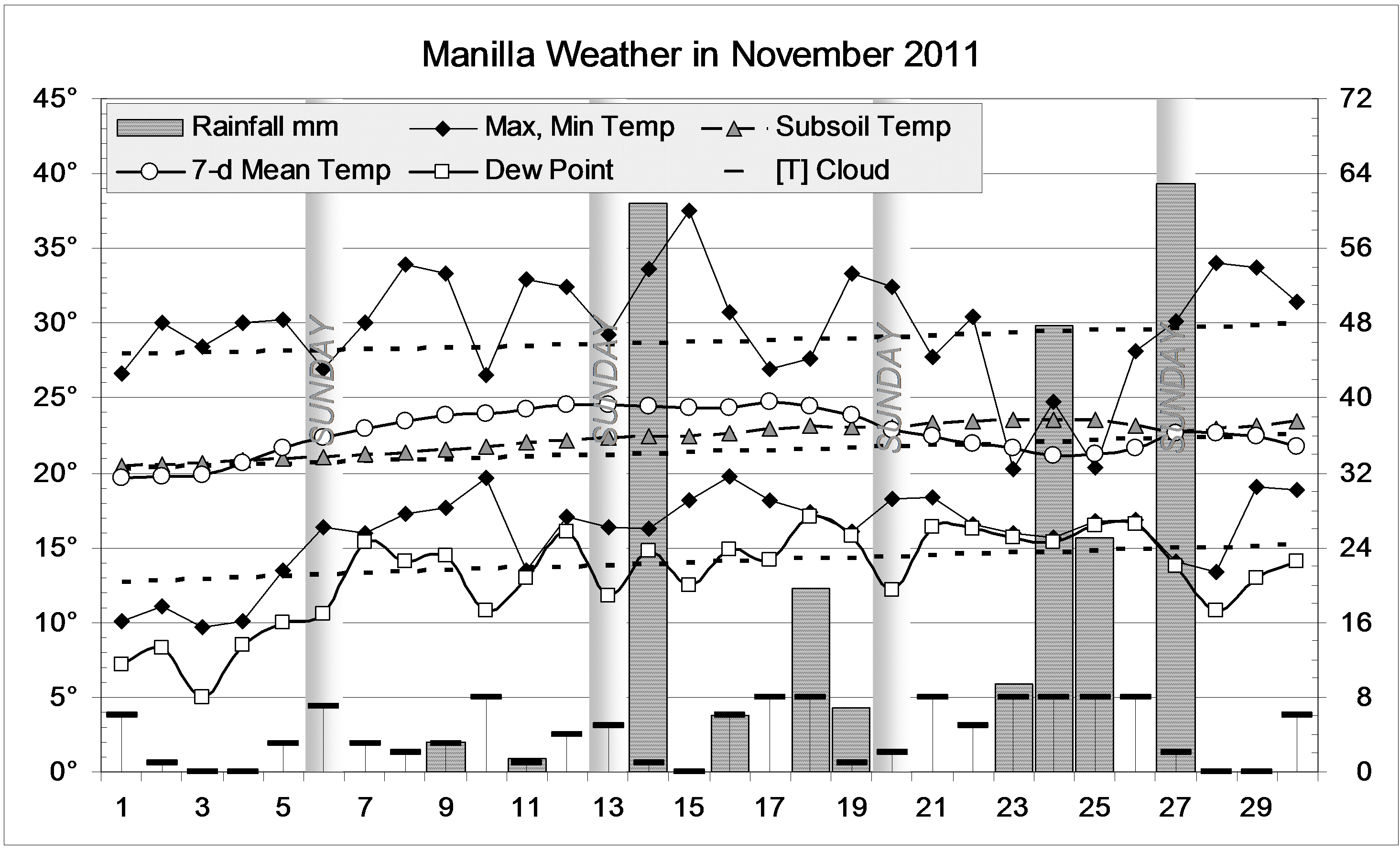
After eight sunny dry days, half the remaining days were cloudy and wet. At first it was stormy, with over 60 mm falling in half an hour on the 13th. Persistent steady rain fell later in the month, with daily readings of 47.8, 25.0 and 62.8 mm.. The total reached 242.9 mm.
Some days in the middle of the month were rather warm, balanced later by cool days with the rain. Most nights were a little warm. Taking days and nights together, the weather was warm until the last week.

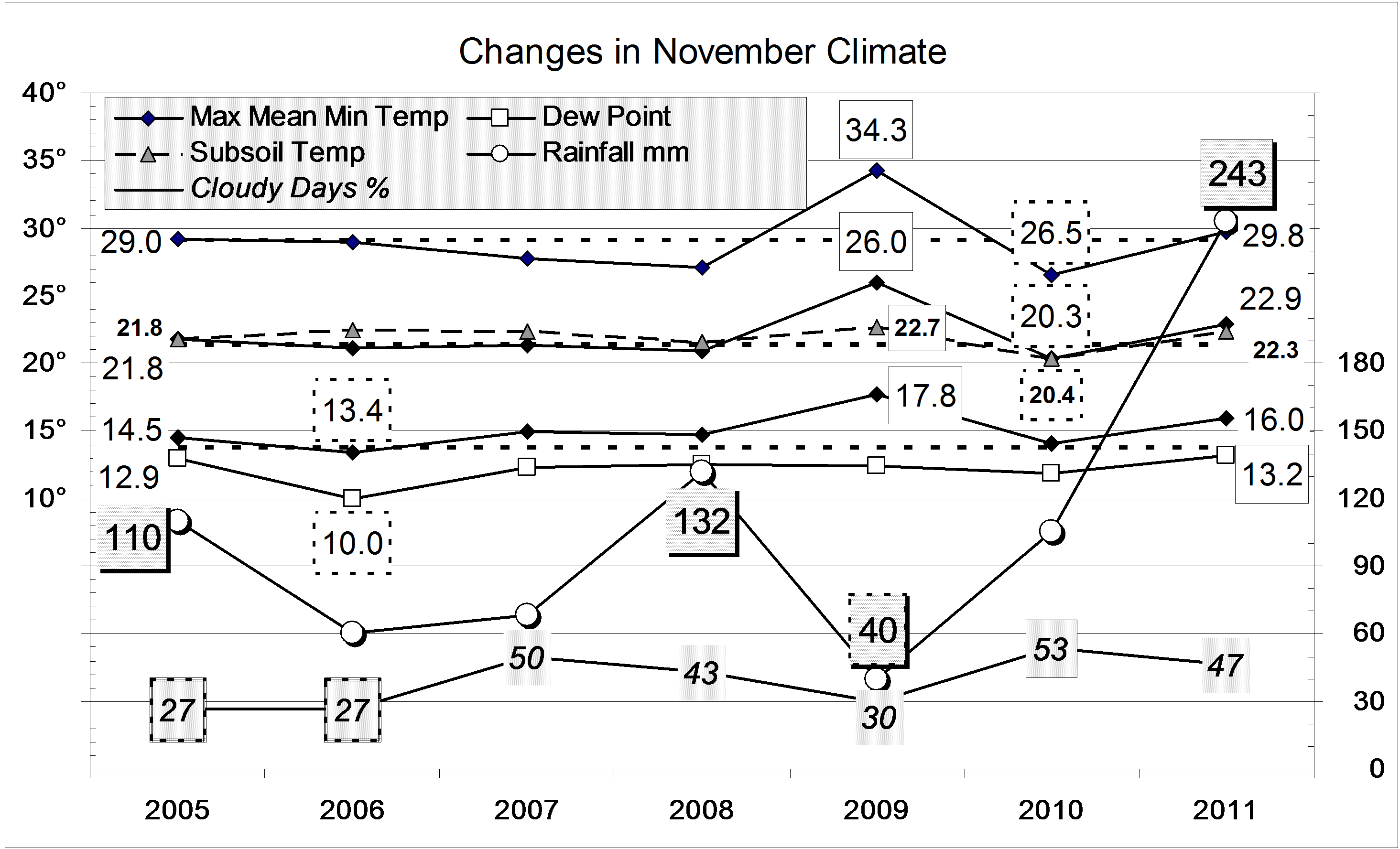
 Comparing November monthsClimate November 2011.

The record total rainfall of 242.9 mm is more than 100 mm higher than the very high November rainfalls of 2008 (132 mm), 2001 (133 mm) and 2000 (132 mm). All these are far above the November average, which is 67 mm.
Totals for groups of months up to 18 months are all very high. For longer periods, totals are not so high, but all are above the median (the 50th percentile) except for the 10-year total (43rd percentile) and the 12-year total (39th percentile).
Mean daily temperatures are above normal, especially the daily minimum, which is 2° up. However, temperatures in the heat-wave of November 2009 were much higher. This month was humid, with a morning Dew Point a degree higher than normal.


Data. Rainfall data is from Manilla Post Office, courtesy of Phil Pinch. Temperatures, including subsoil at 750 mm, and other data are from 3 Monash Street, Manilla.